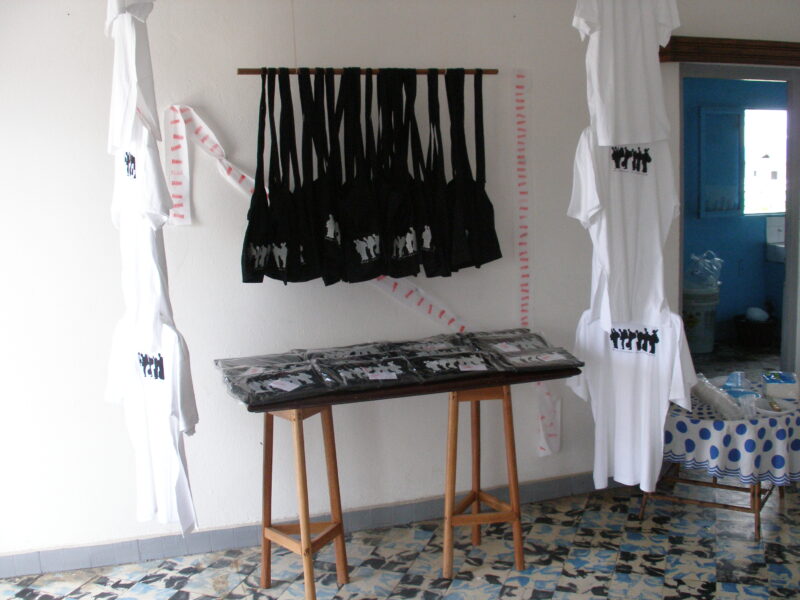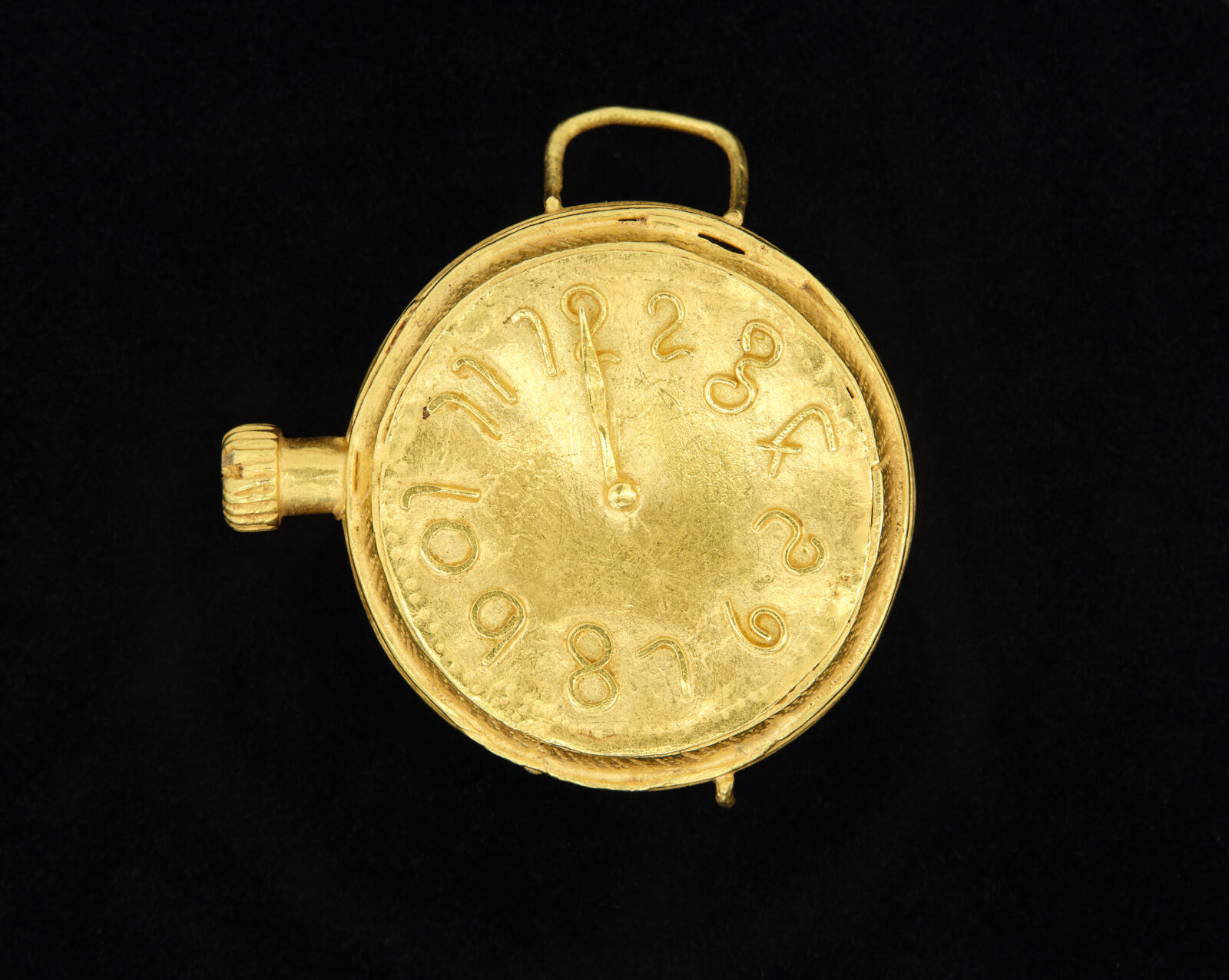
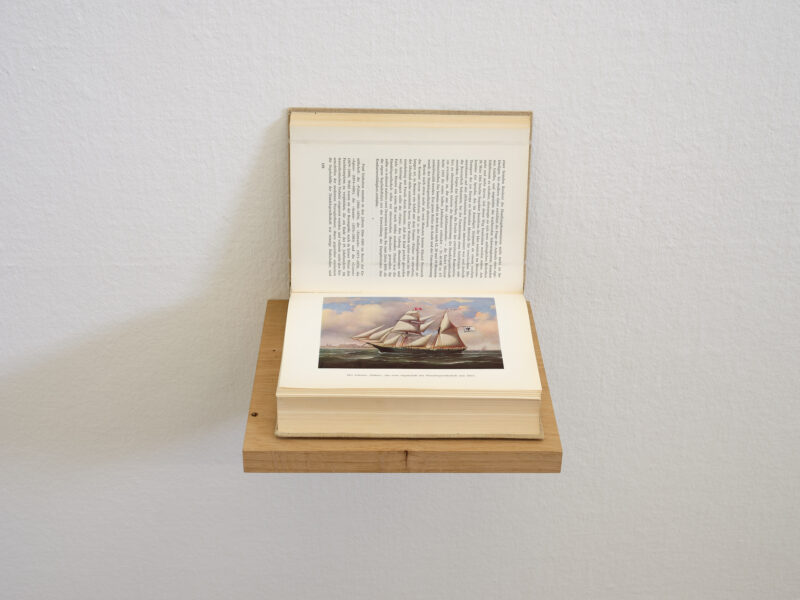
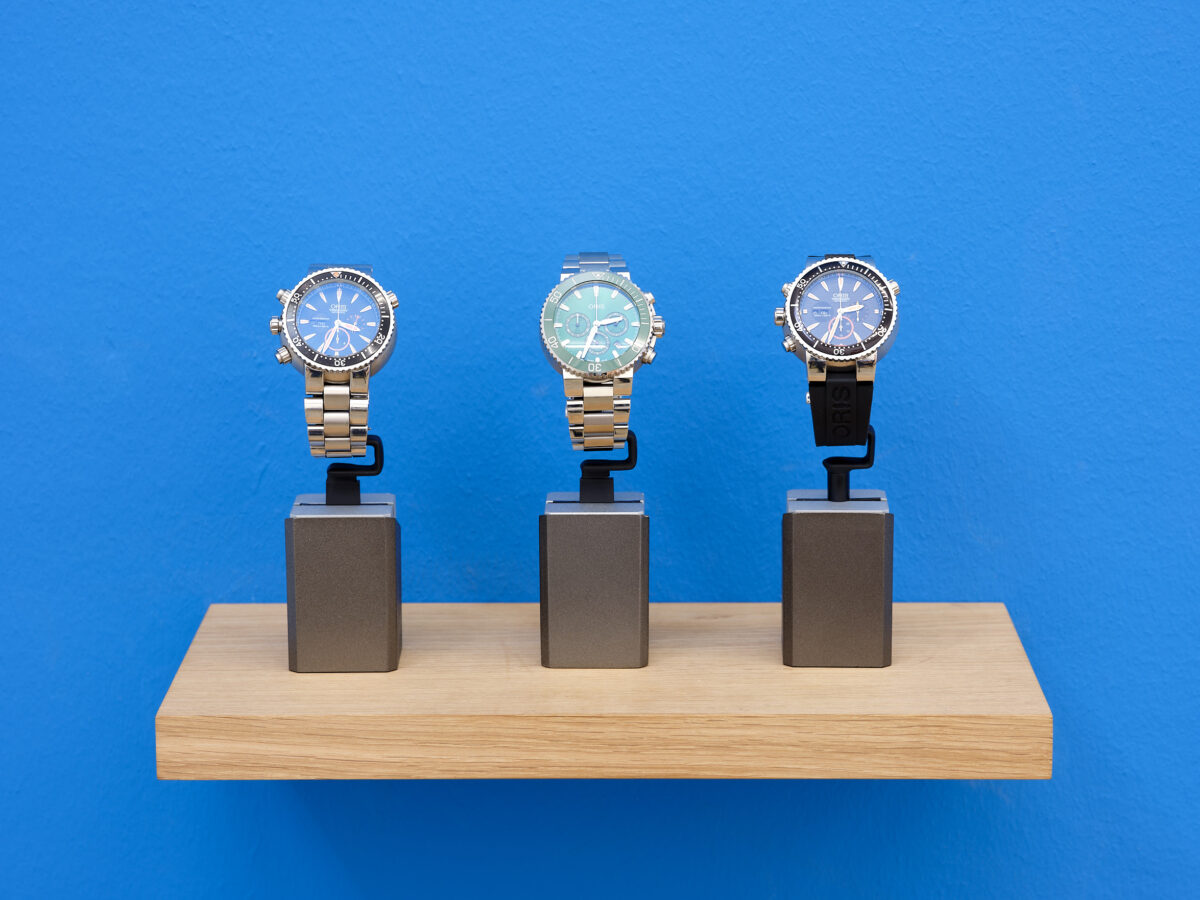
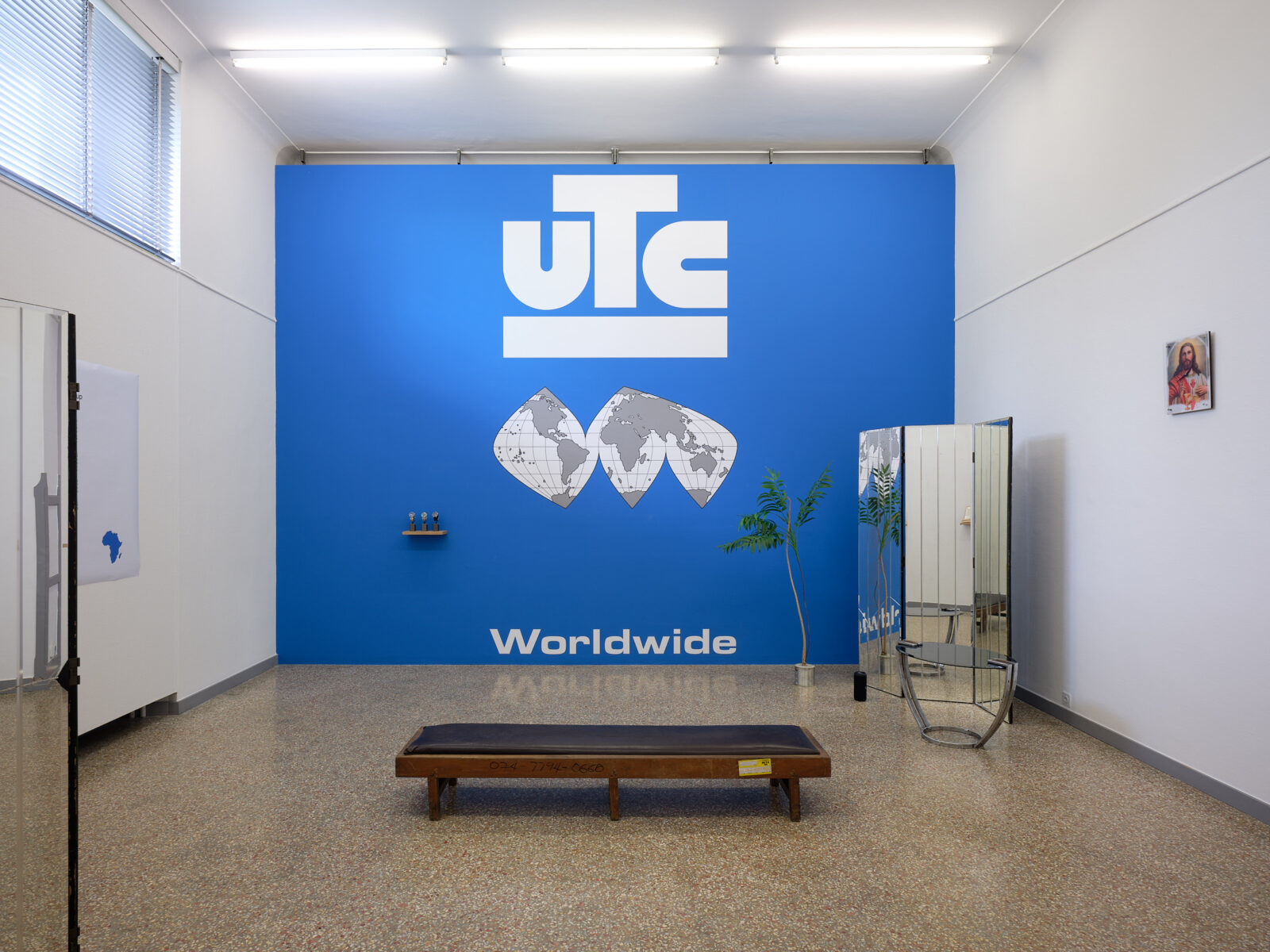
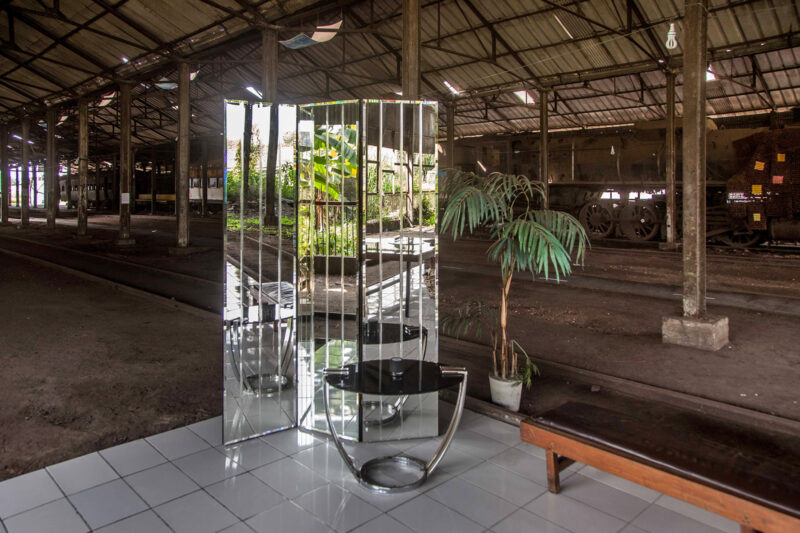
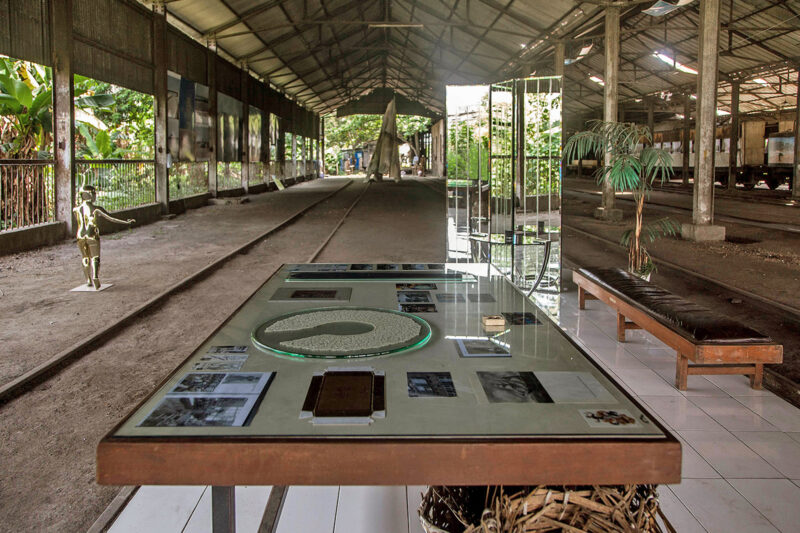
| The Union Trading Company (UTC), founded in 1921 as the Basel Mission Trading Company, distributed watches from the Basel-based company Oris in West Africa—an enterprise that once belonged to the Herzog family. The work Legacy consists of counterfeit Oris watches purchased in Lagos and reflects the history of trade, as well as the parallel markets, systems of value, and perceptions of goods that emerged from it. A publication on the Basler Handelsgesellschaft documents an important chapter in Swiss economic history. The company early recognized the advantage of operating its own fleet of ships, as relying on third-party vessels became increasingly difficult. The Palme, acquired in 1866, was the first of a total of five ships in service until 1885—evidence of how even Switzerland became a trading power in the 19th century. For the first Lagos Biennale 2017, Herzog acquired original furniture and other objects from UTC Nigeria Ltd, a company that was in the process of liquidation at the time. By staging a UTC foyer using this very furniture, Herzog revisits past economic events and places them in a new context. In doing so, she also anchors questions of personal responsibility within the exhibition. |
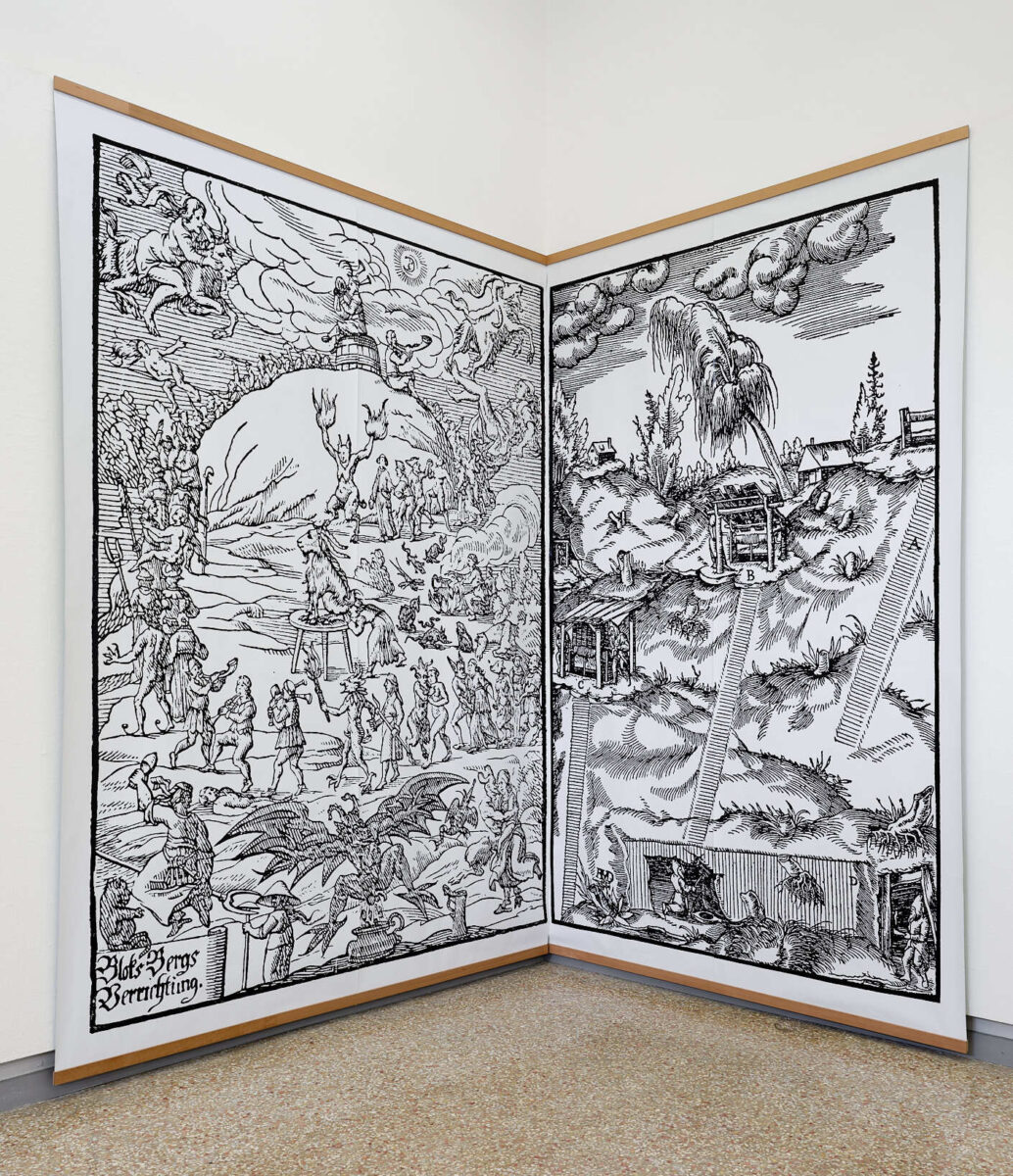
| Death of Nature |
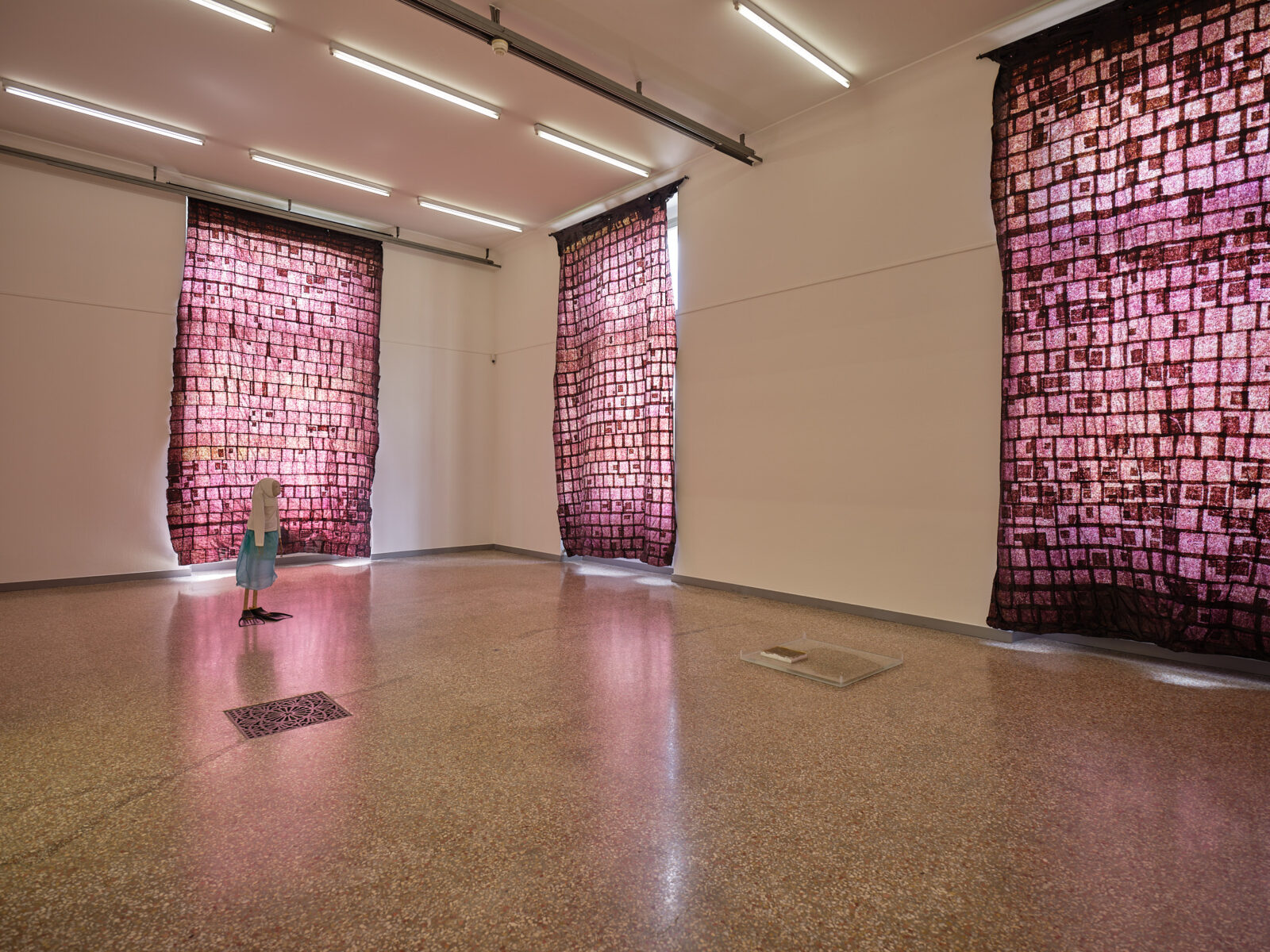
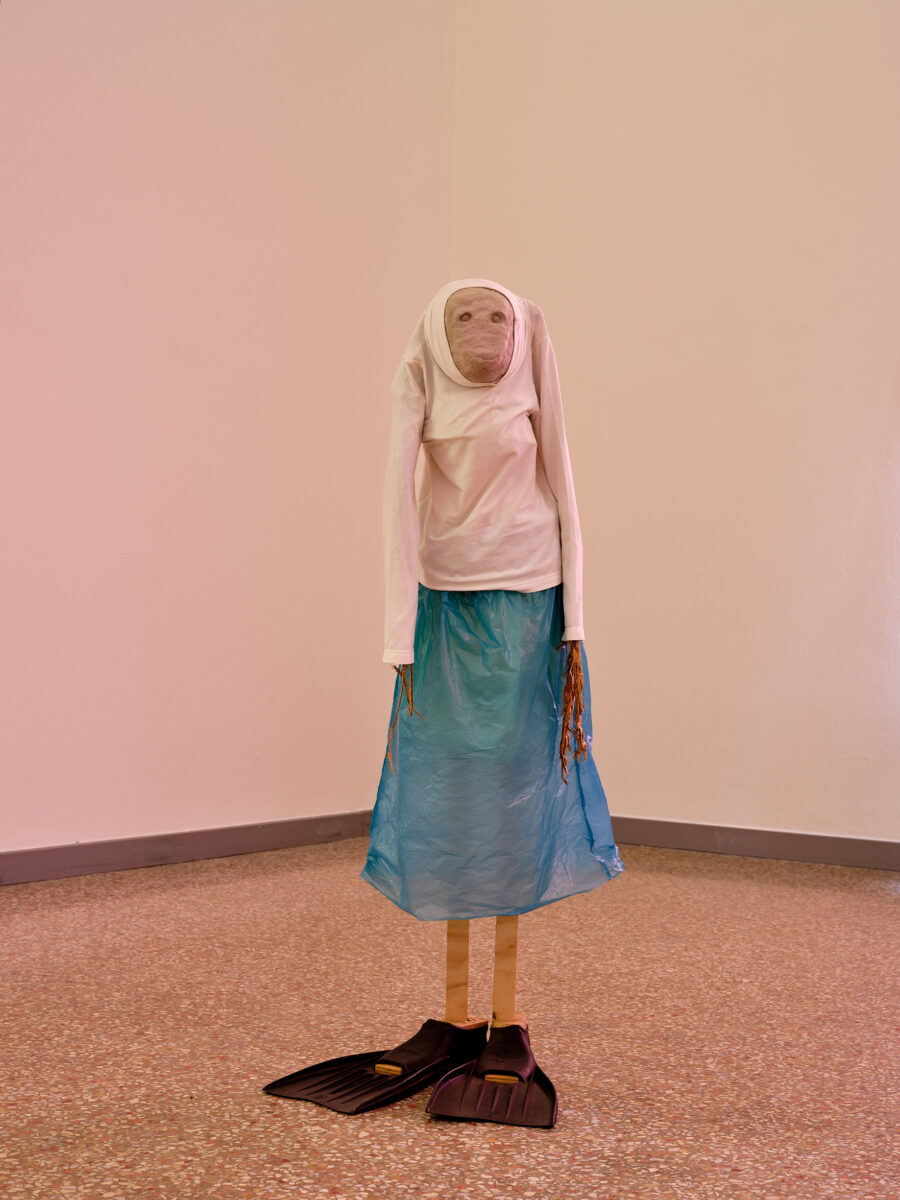
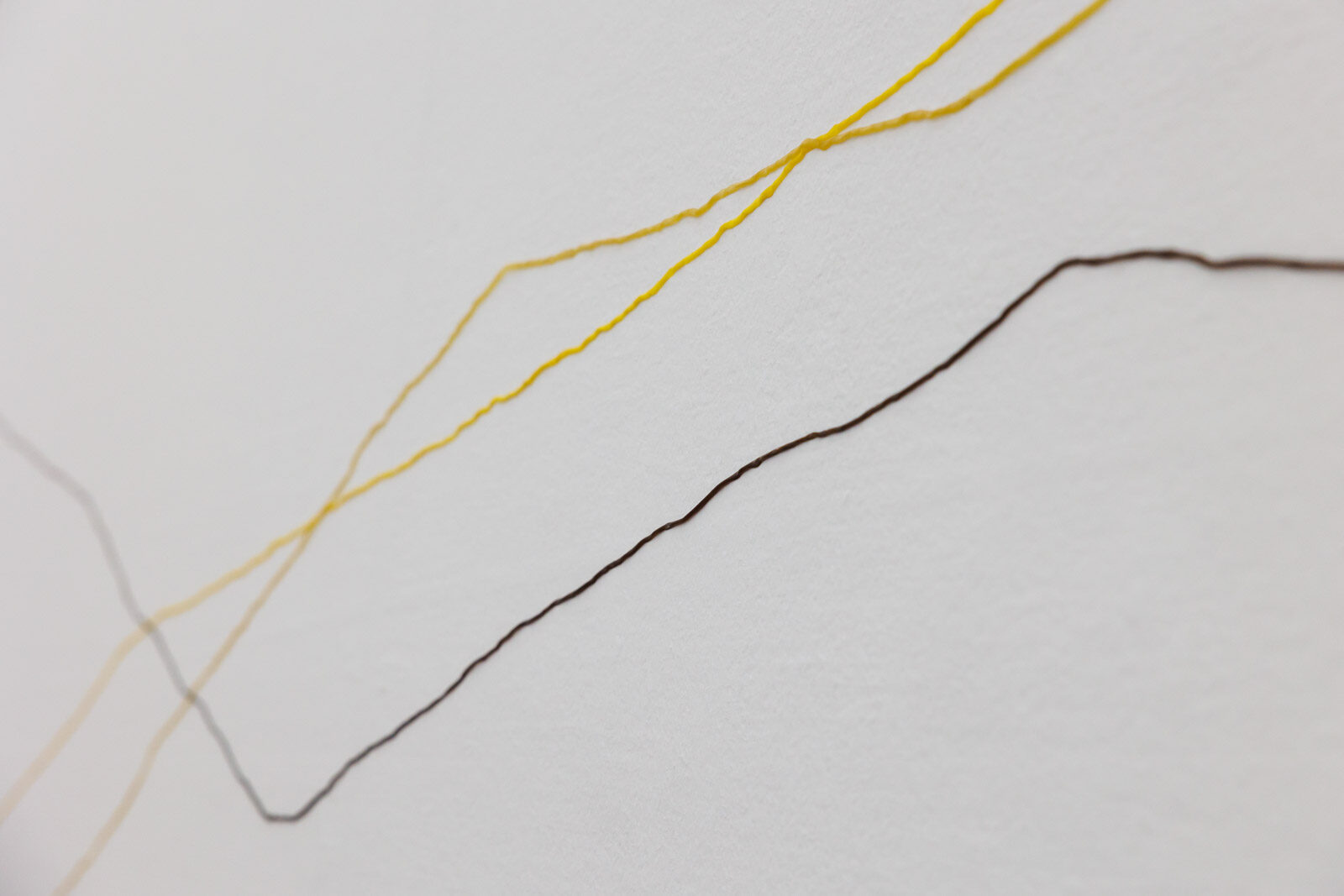
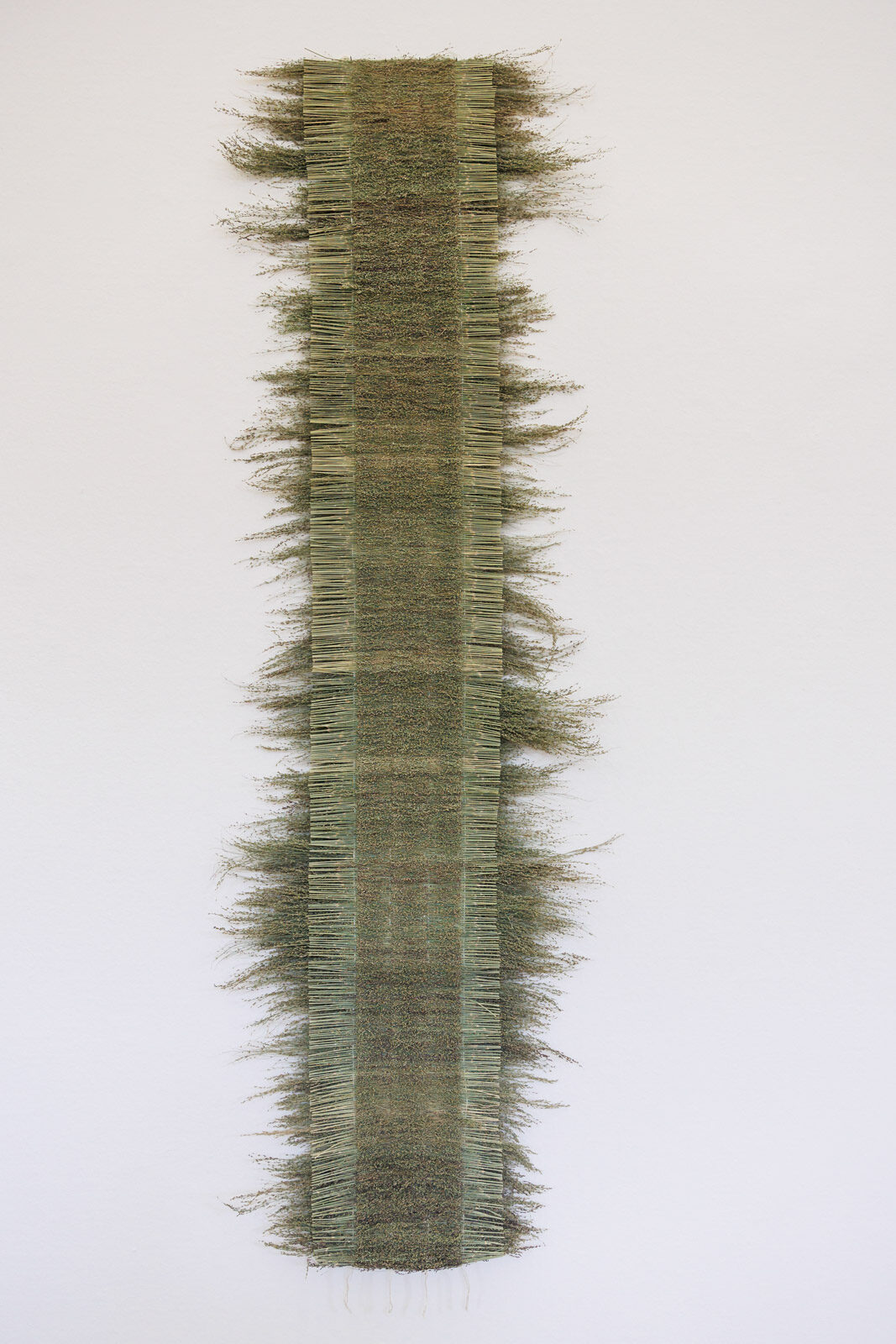
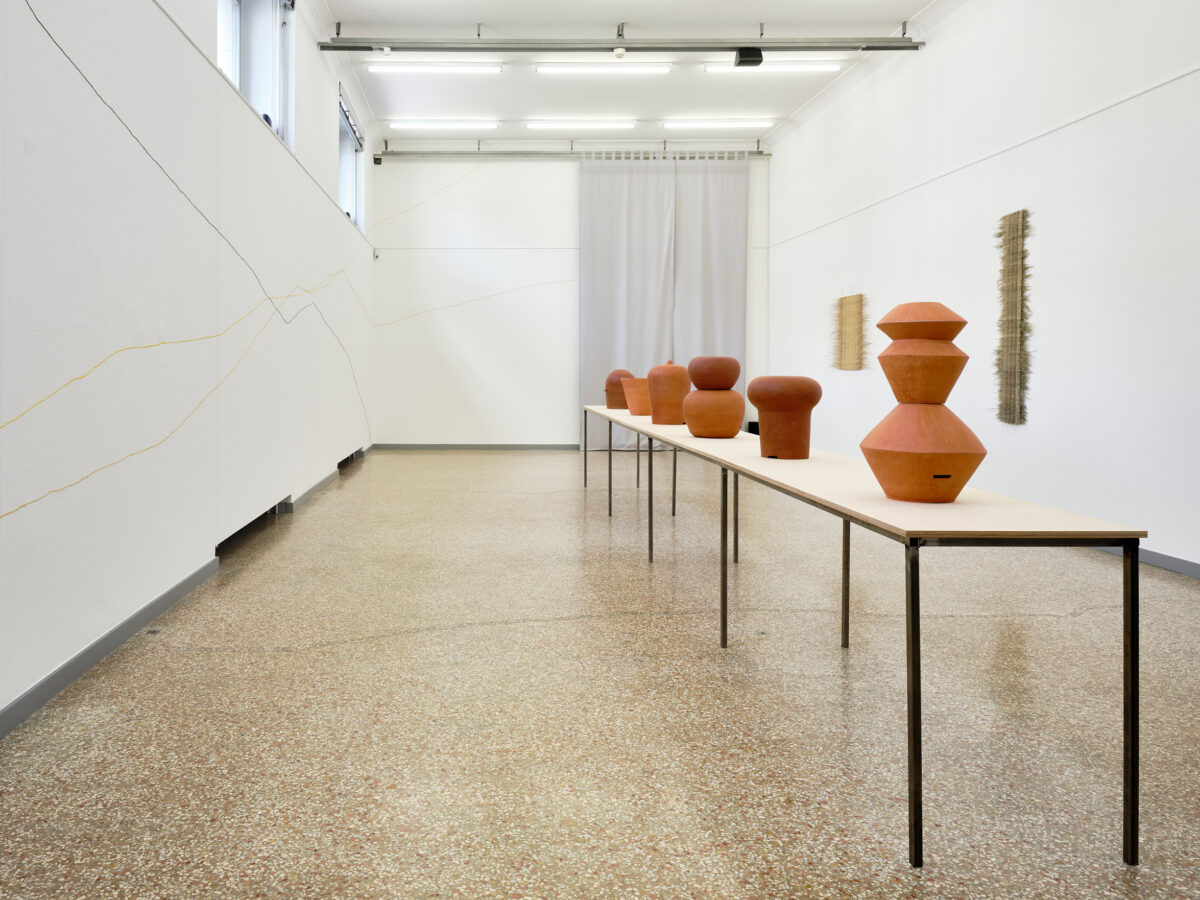
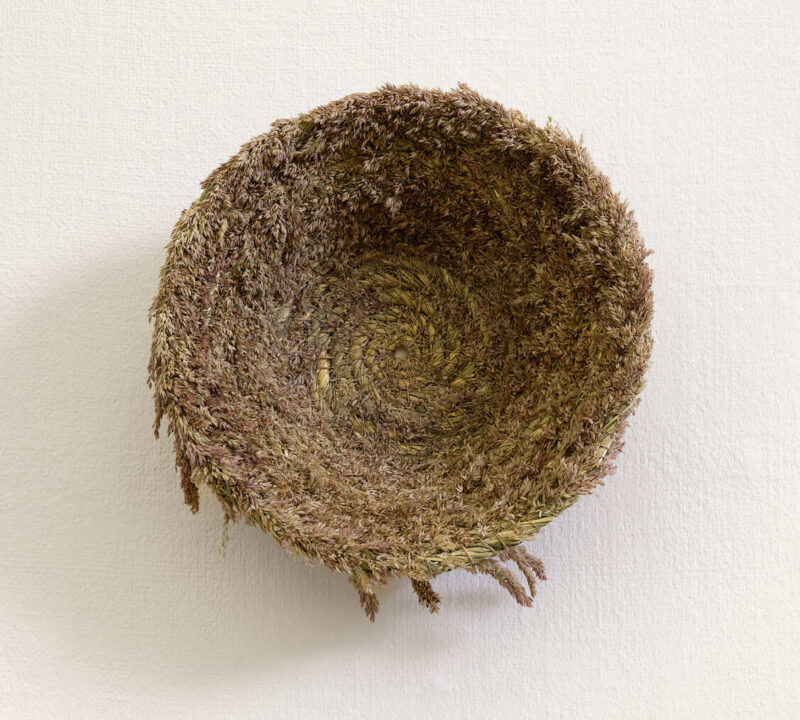
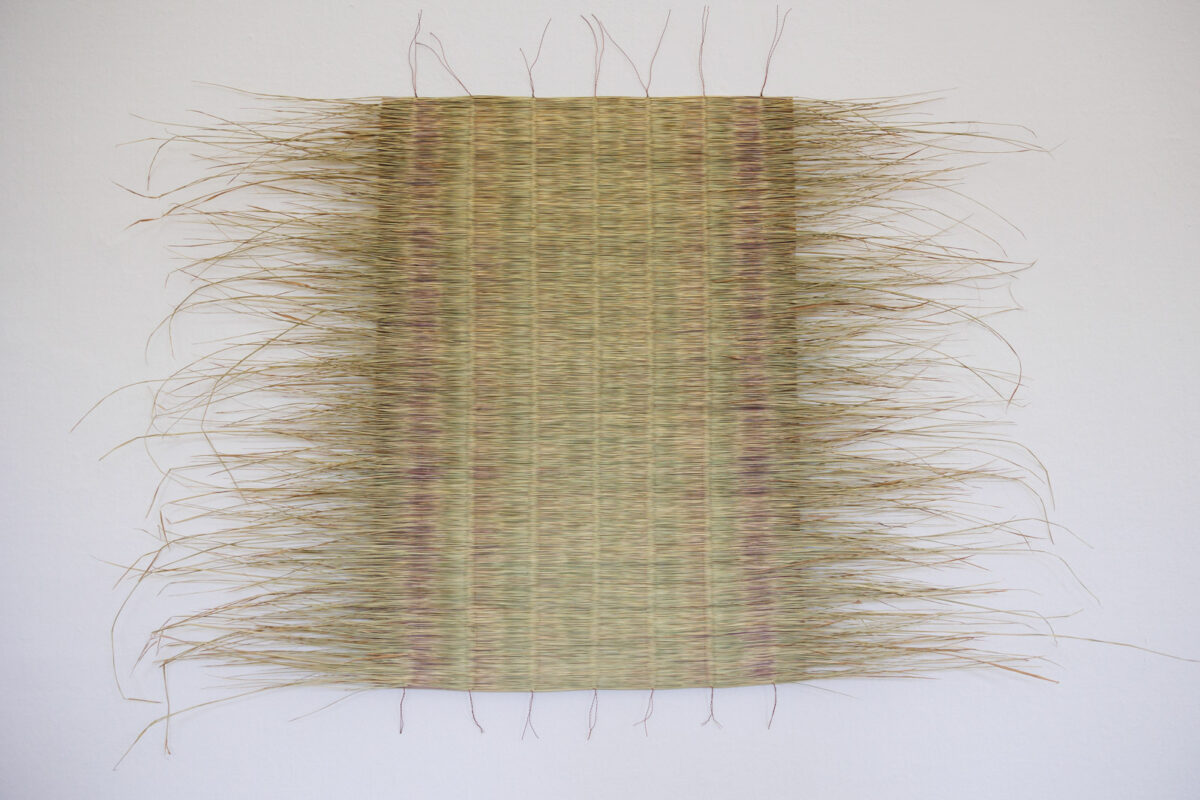
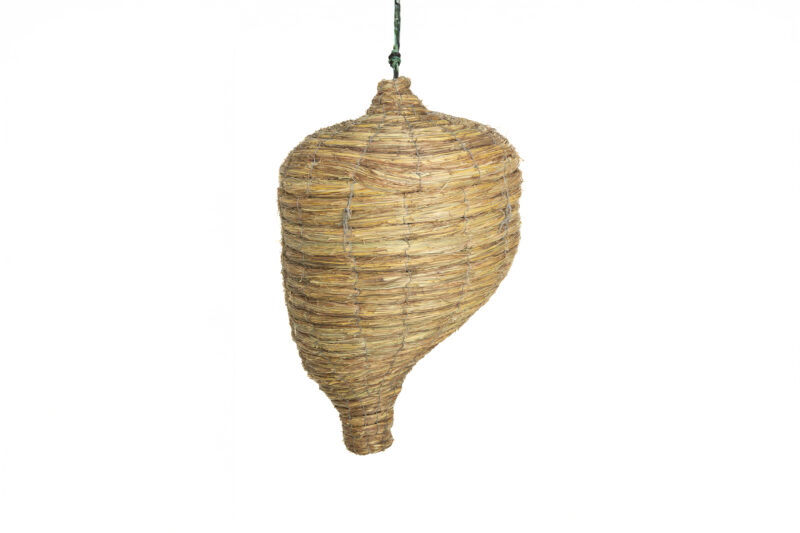
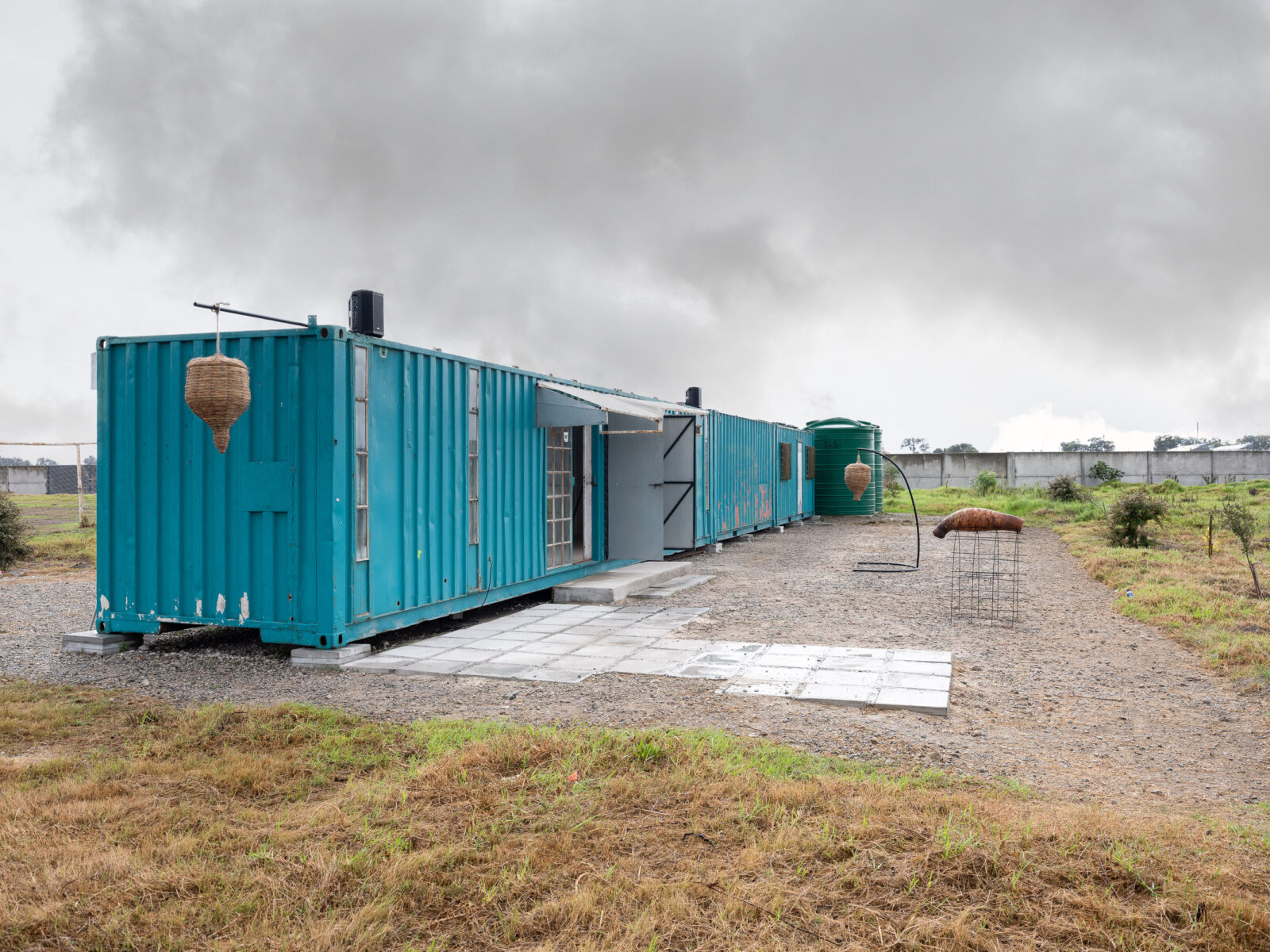
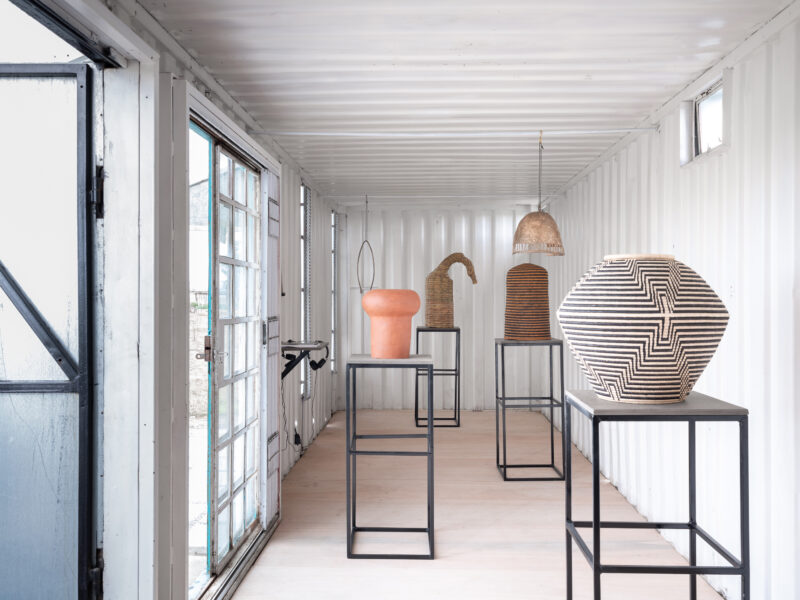
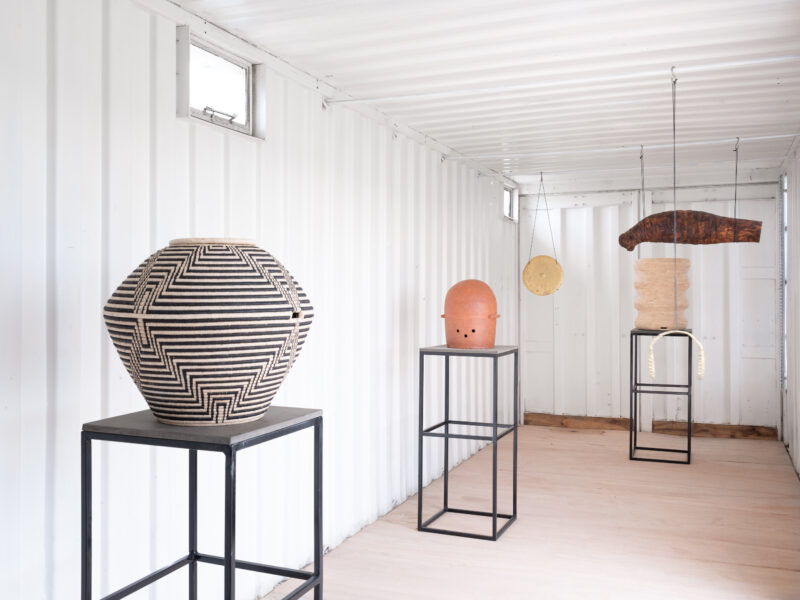
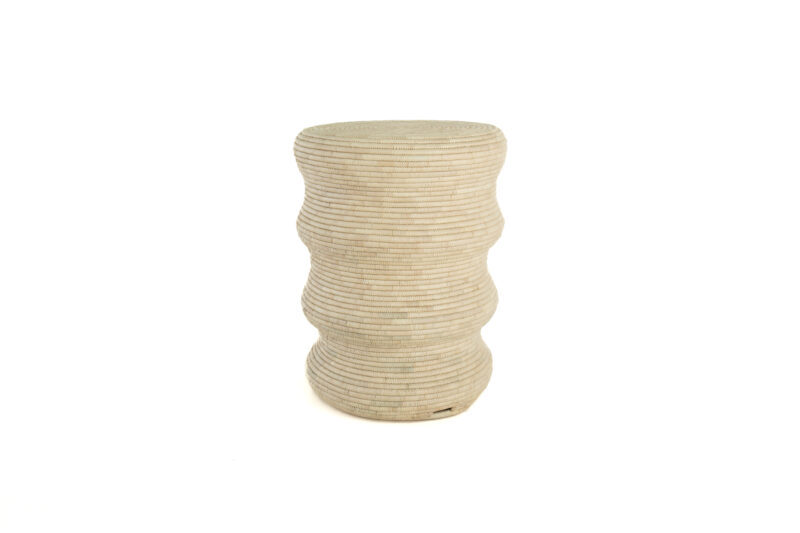
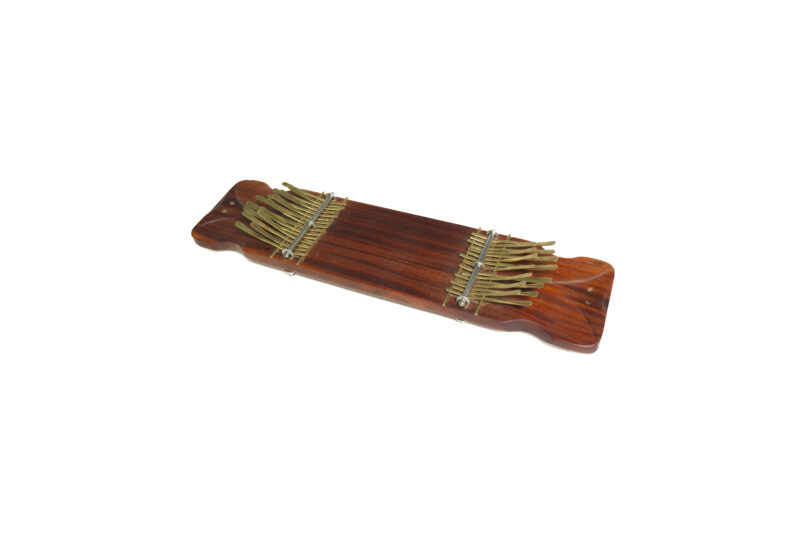
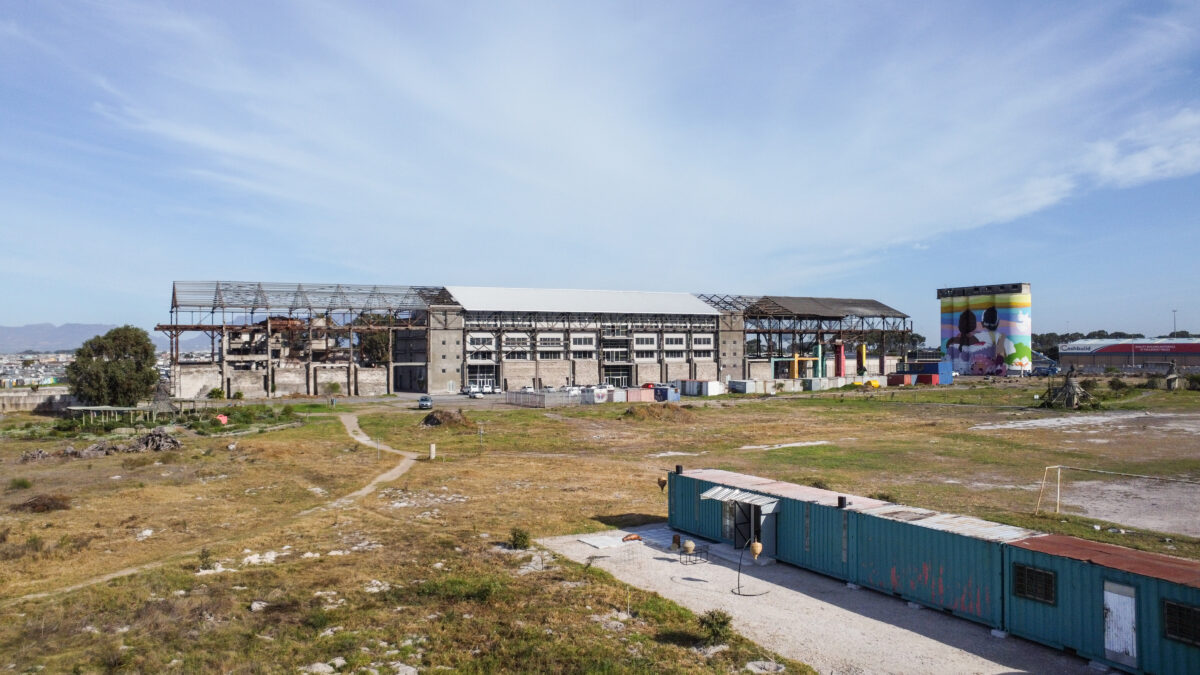
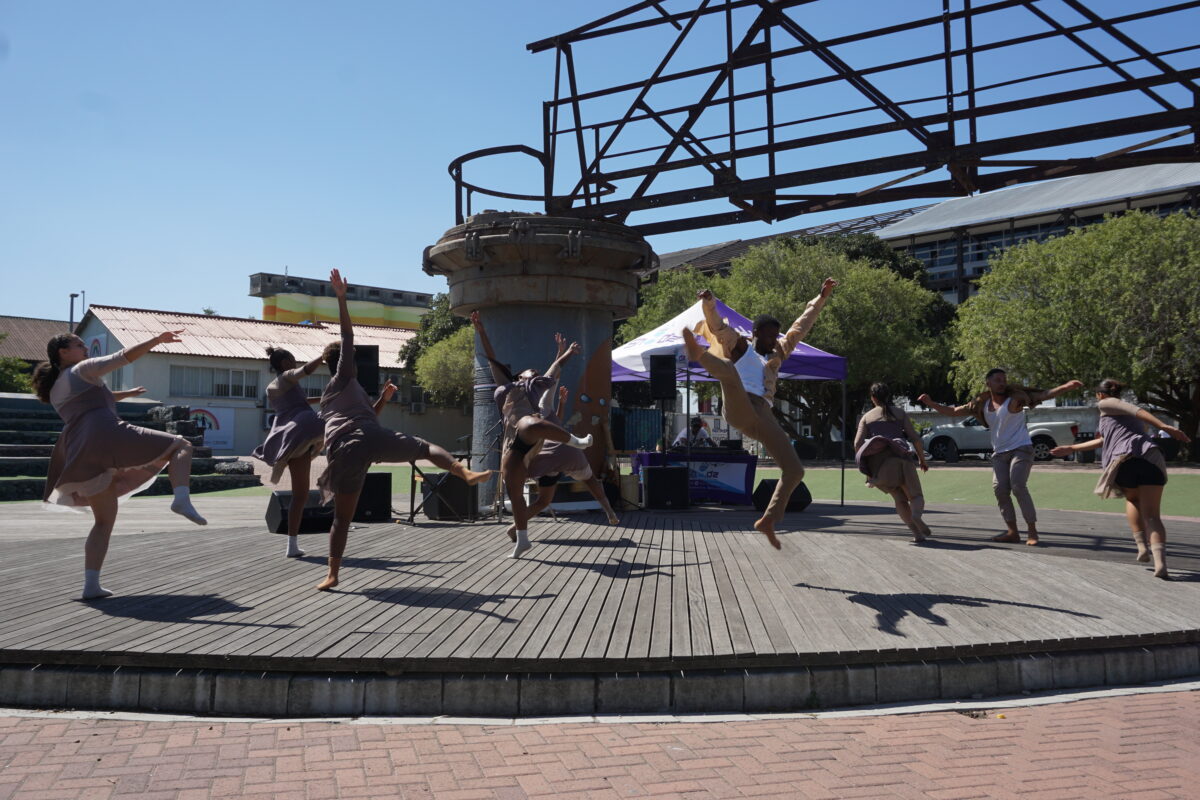
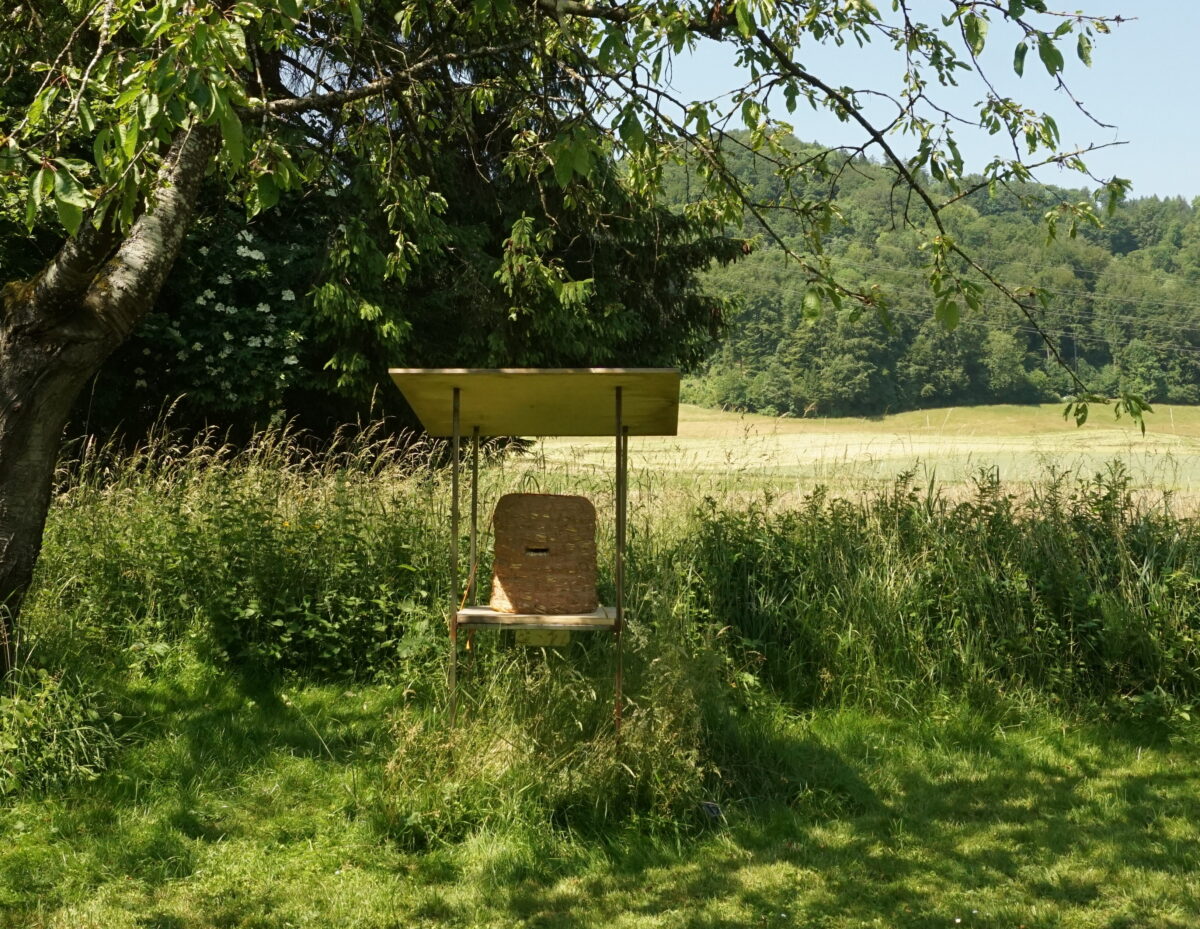
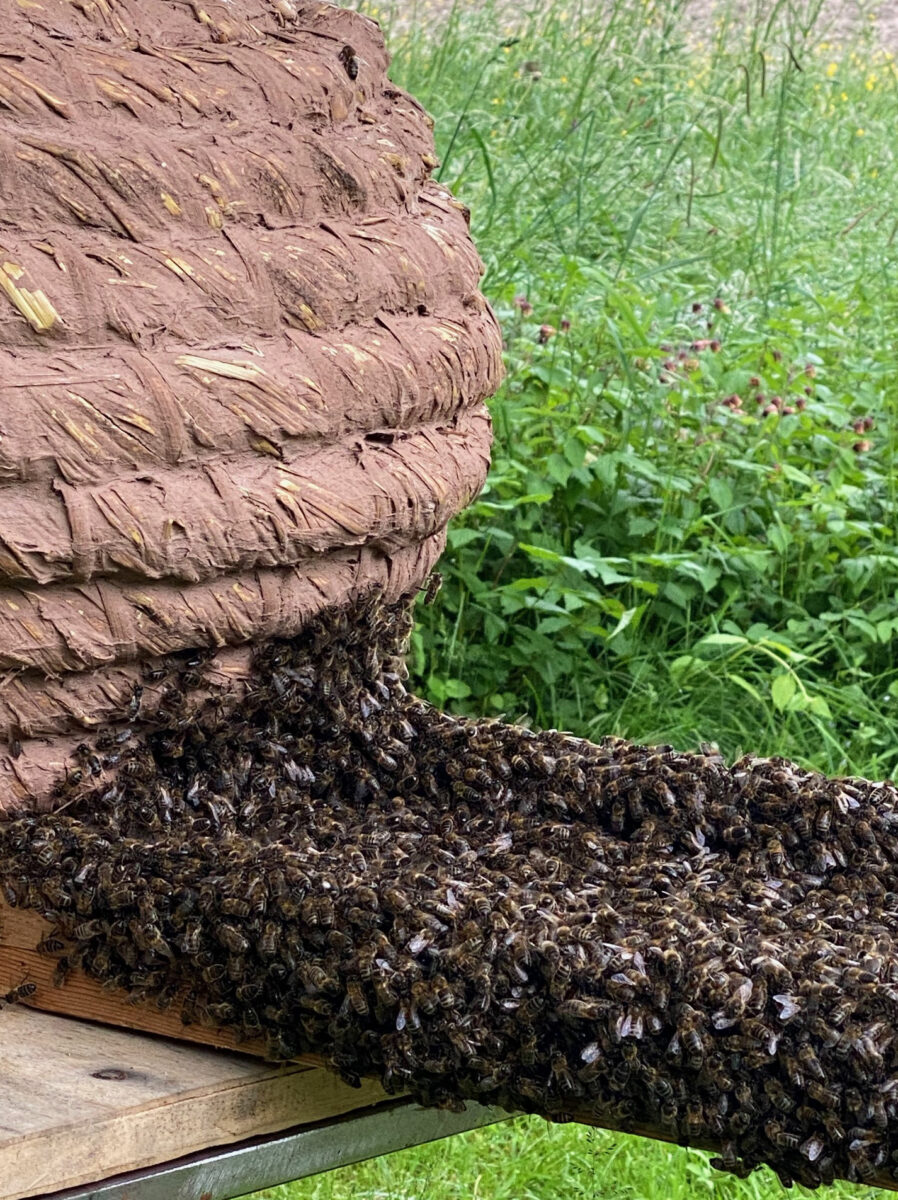
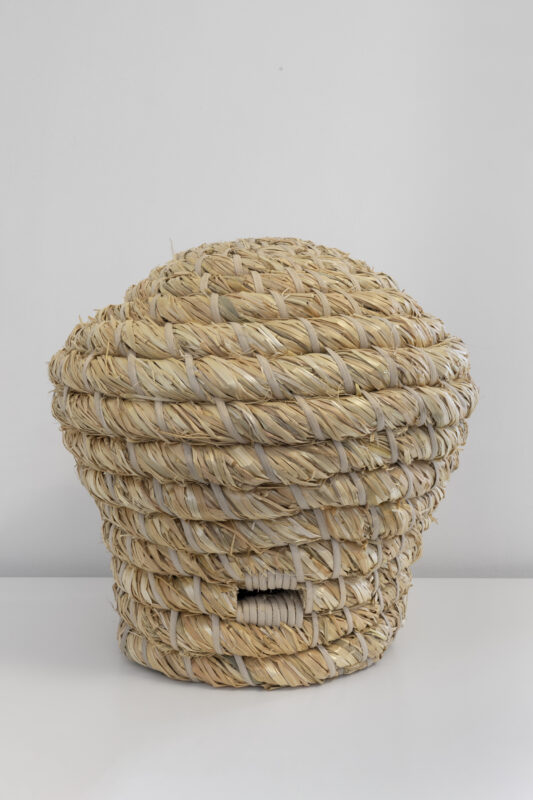
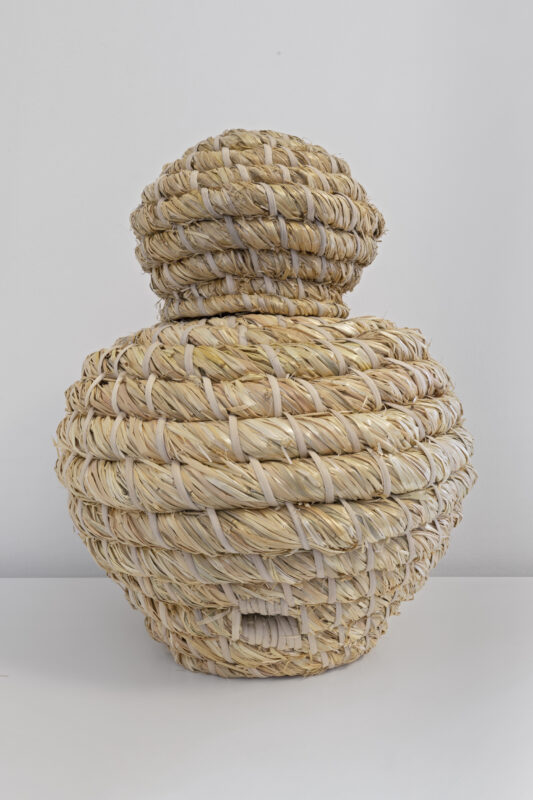
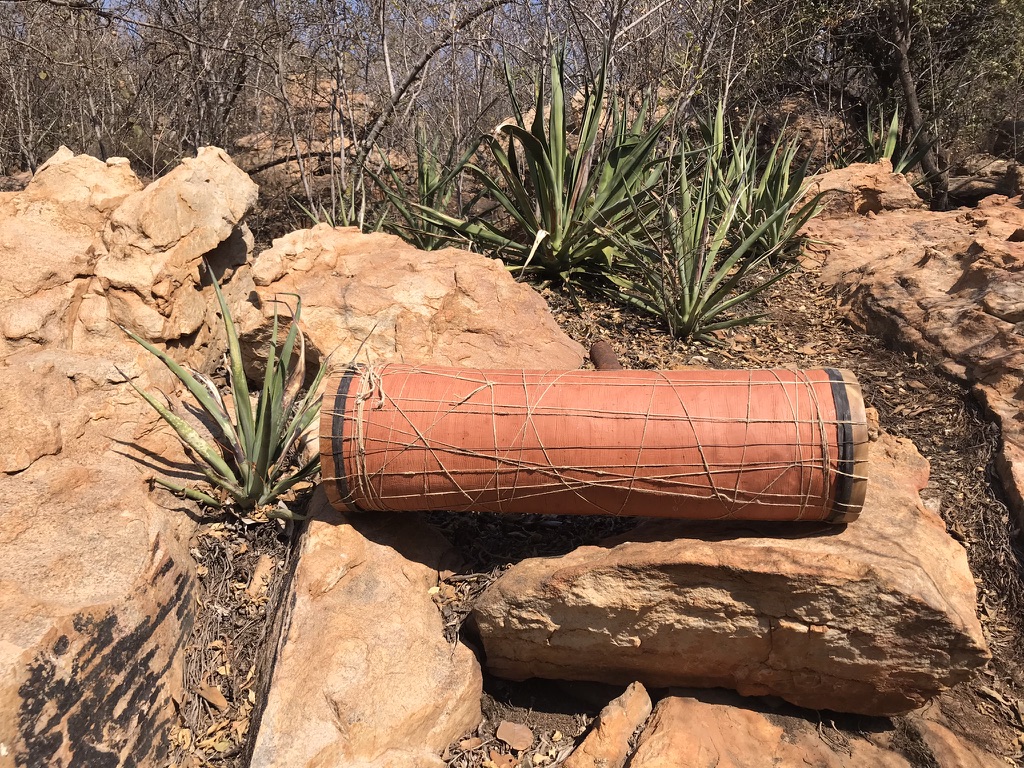
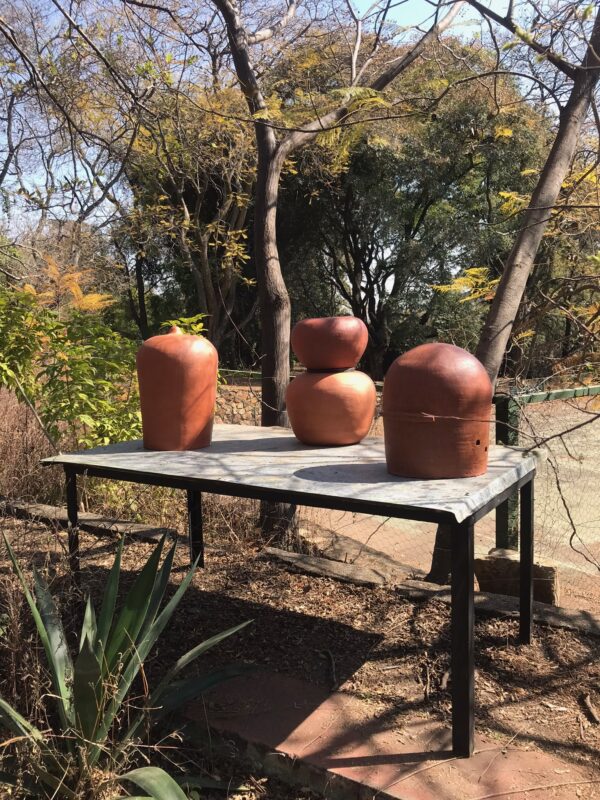
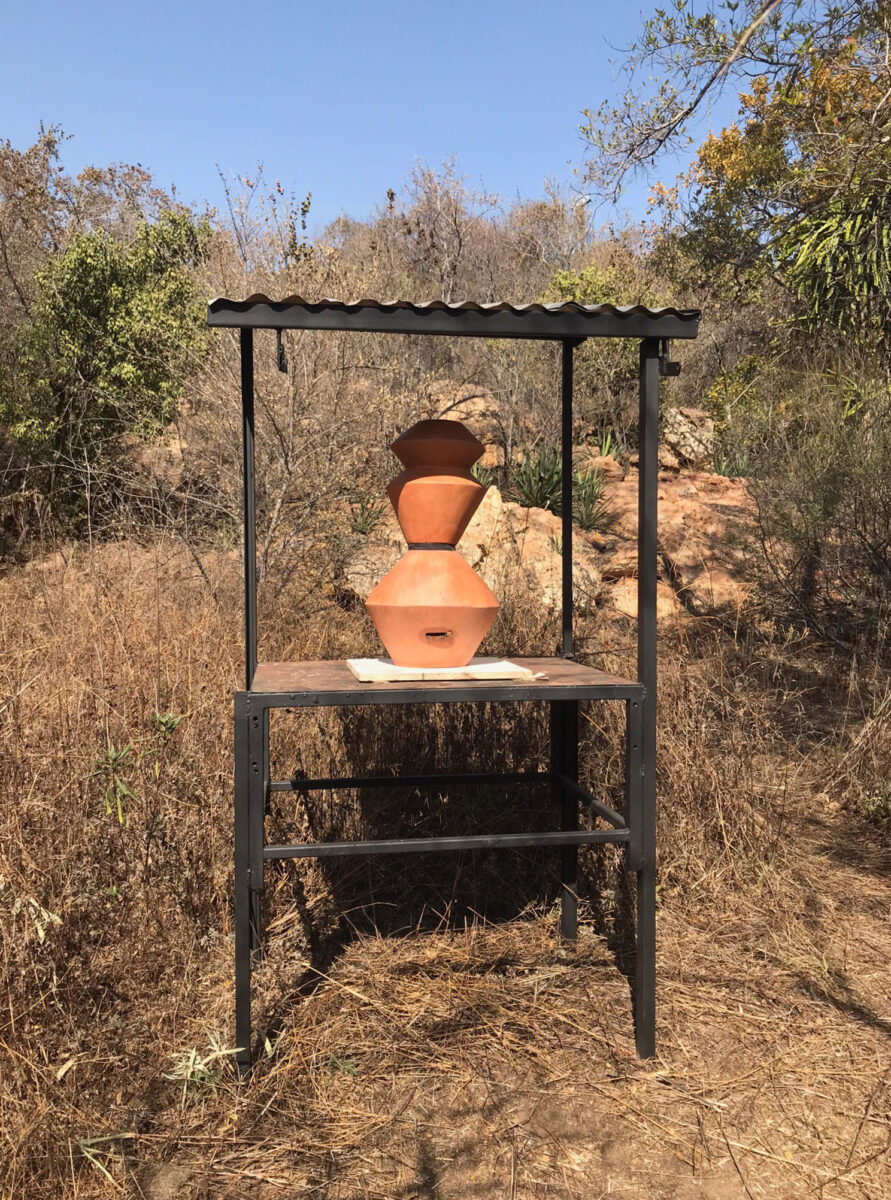
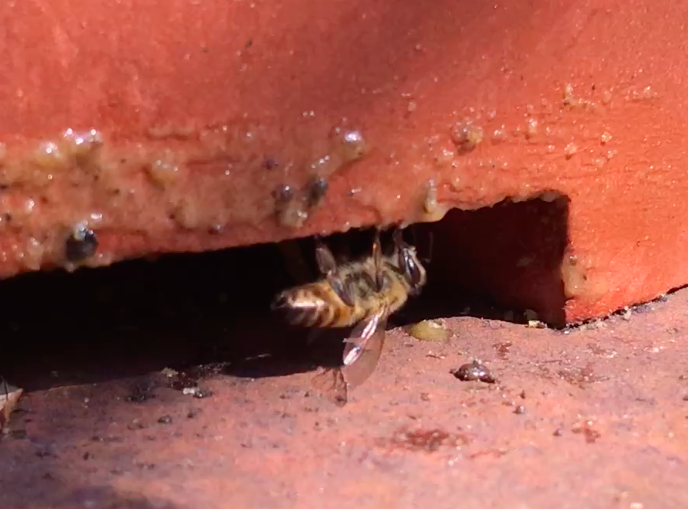
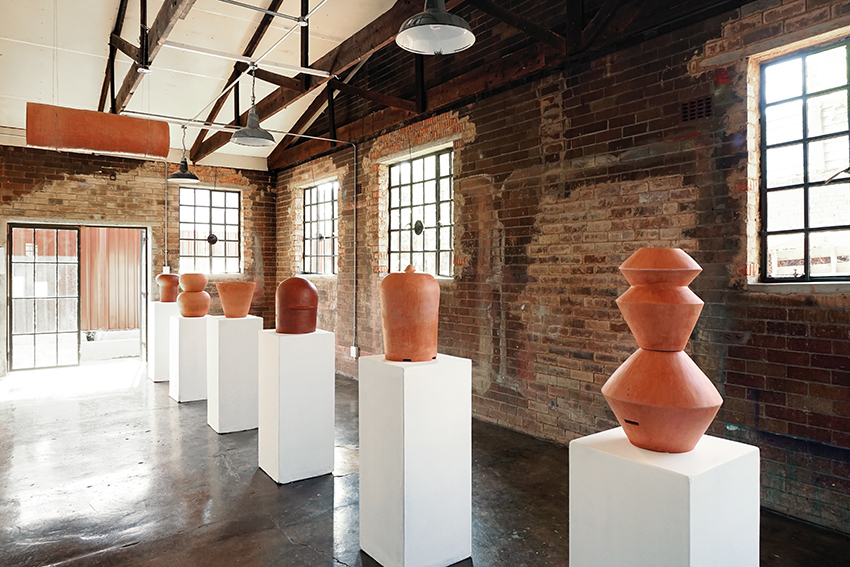
| Hiving & HUMing: Material Realms & Sonic Immersions, 2023-2025 The project is an 18-month, research-driven initiative in collaboration with beekeeper and gardener Thembalezwe Mntambo. It centres on bees’ logics, temporality, and imperatives in support of their agency, and examines the cyclical relationships and sensing capacities that exist between bees, plants, and humans.Using swarm logic, interdisciplinary collaborations were oriented toward the development of new insights. Research into alternative hive-making was undertaken to realise sculptures designed to house bees, with a focus on their needs.Considering bees’ non-verbal communication, we explored what types of sounds could be created within their frequency range and what instrumentation might be appropriate for conversing with them. This led to the Kirby Collection of Musical Instruments at the College of Music at the University of Cape Town.The final exhibition and interdisciplinary performance programme of the project was presented at the community centre in Philippi Village, in the township of Philippi. With Amy Watson, Neil Rusch, Xolisa Bangani, Simangaliso Ngalwana, Vuyo Myoli, Klaas Vlegter, Izabeau Pretorius, Aladin Borioli, und Simnikiwe Buhlungu, Rick Deja, Sylvia Bruinders, Brandon H. Andrews, Farai Machingambi, Thobekile Mbanda, Stephen De Souza, Lisa Wilson, Meryl van Noie, Yonela Macibela, Lolwethu Sdumo, Amahle Nzama, Sisipho Wisani, Mahle Dlambula, Cameron Wilson, Tameka Petersen, Roberta Sonne, Chante Vermeulen, Angeline Masuku, Beauty Ngxongo, Sinegugu Ngxongo, Jan Aphiri. In collaboration with POOL art space, University of Cape Town and Philippi Village |
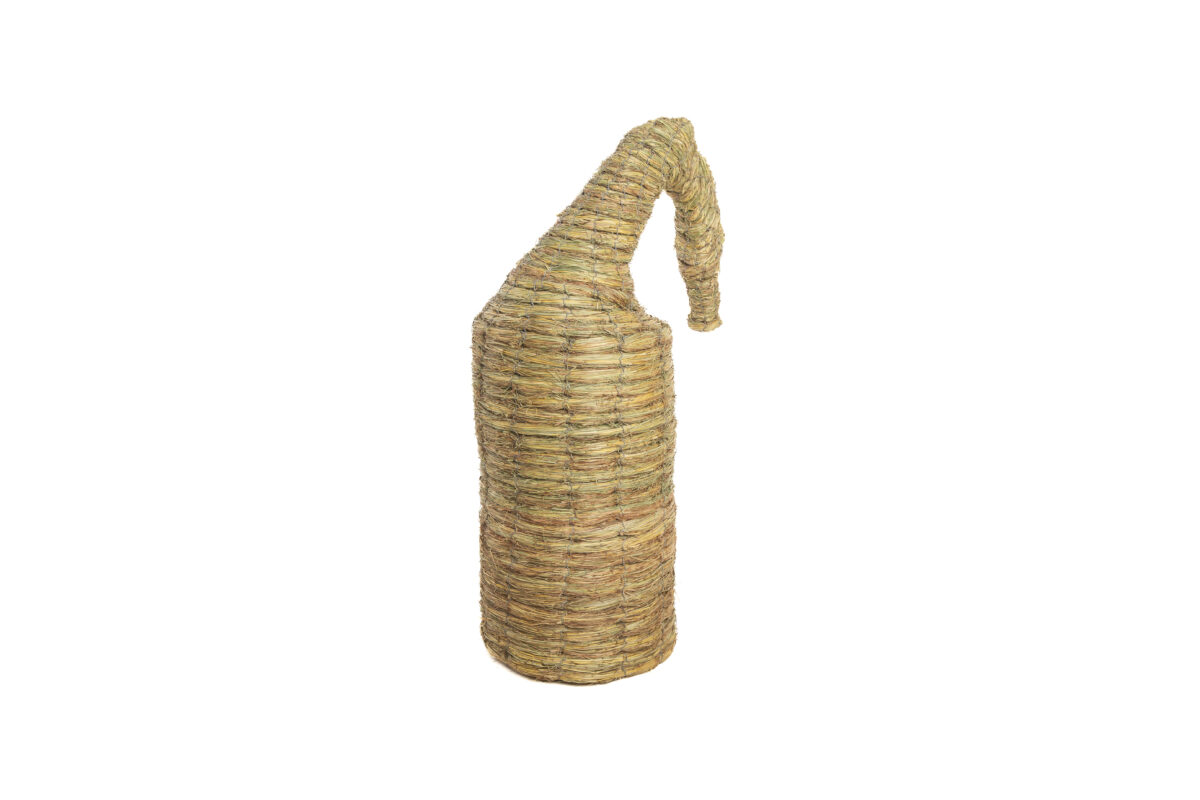
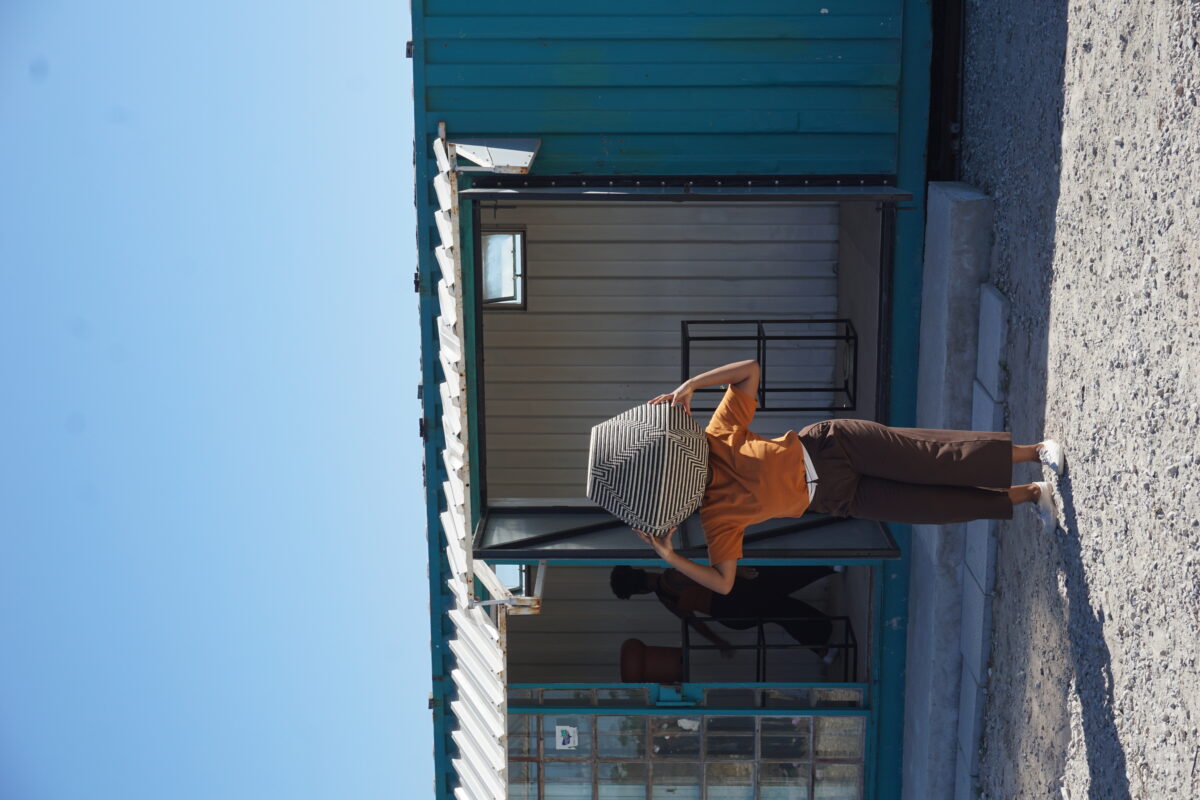
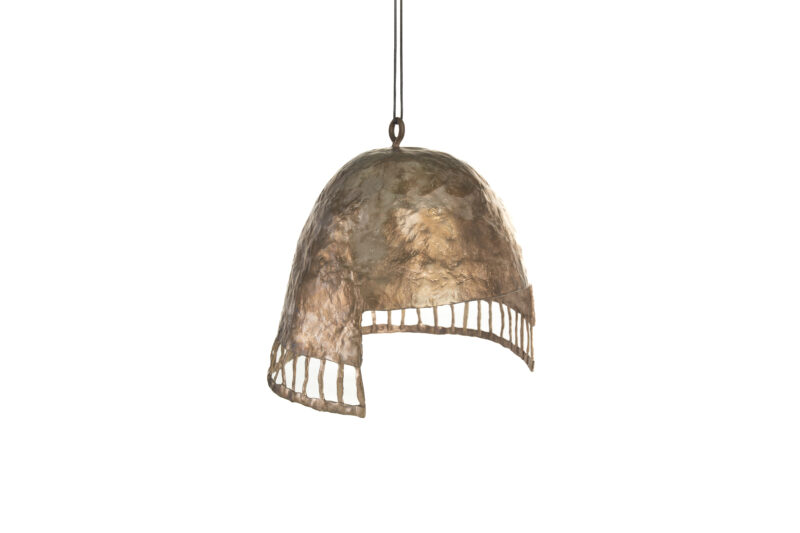
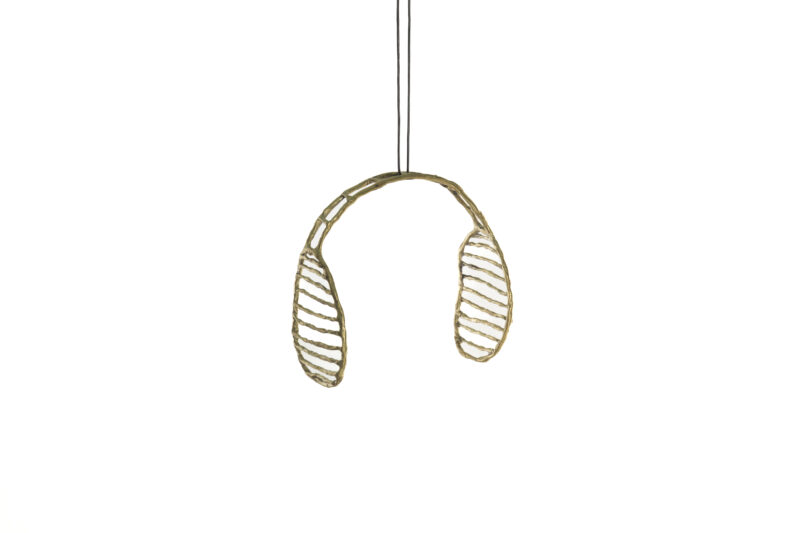
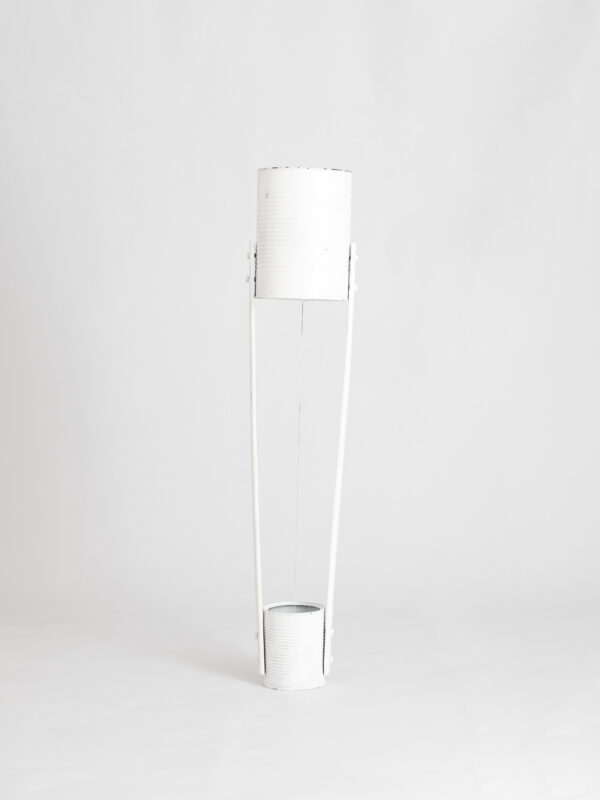
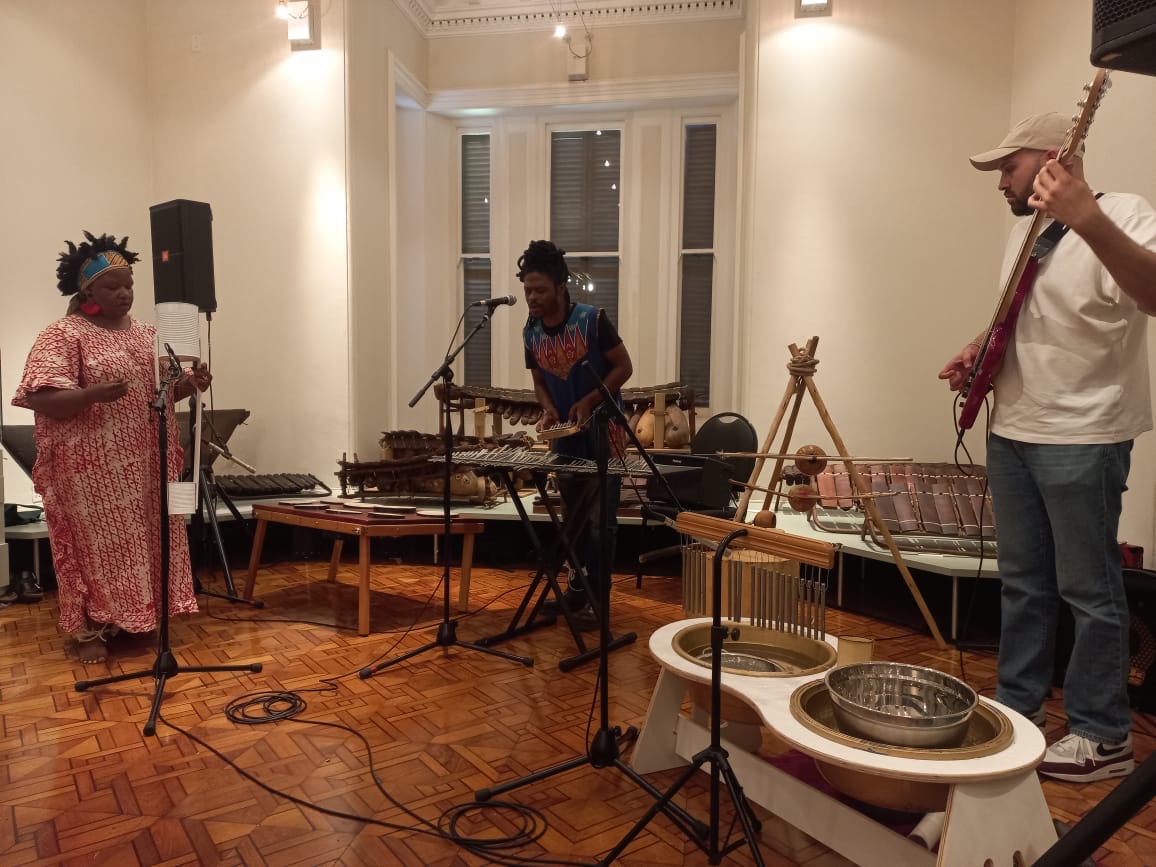
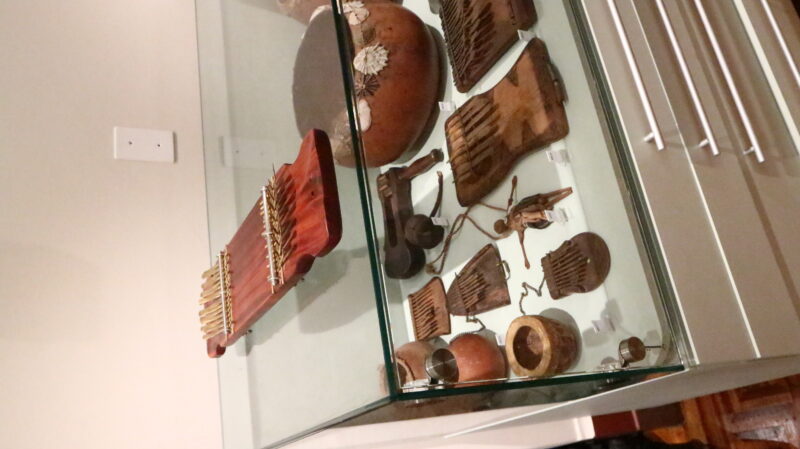
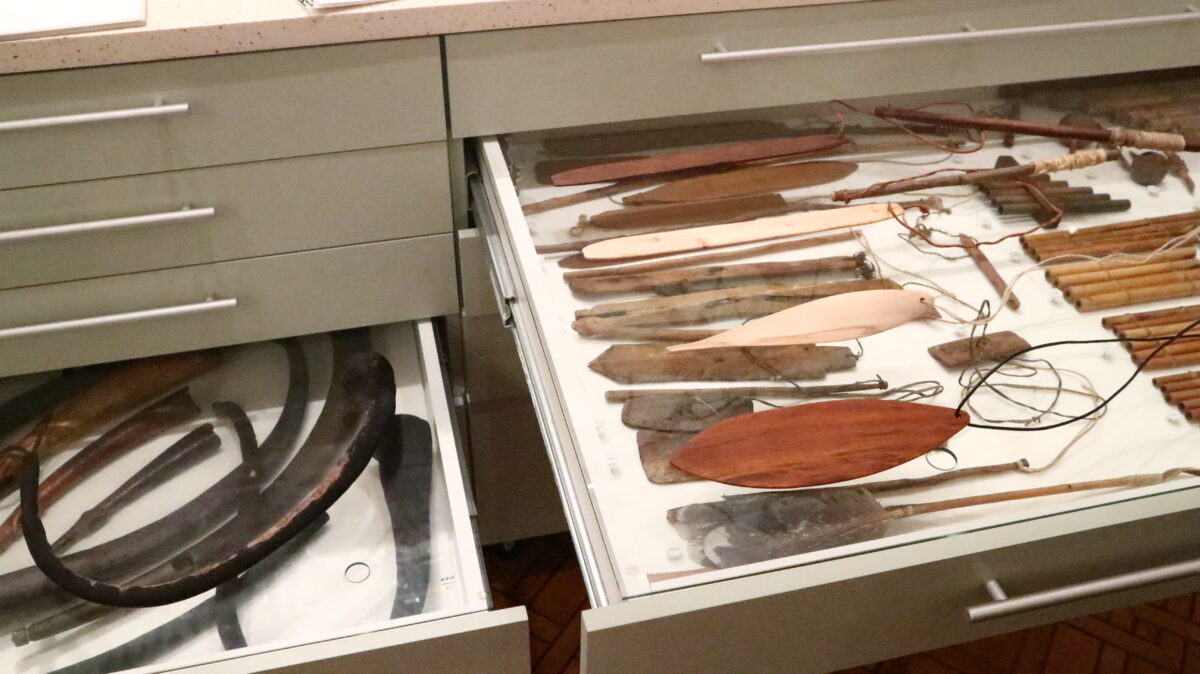
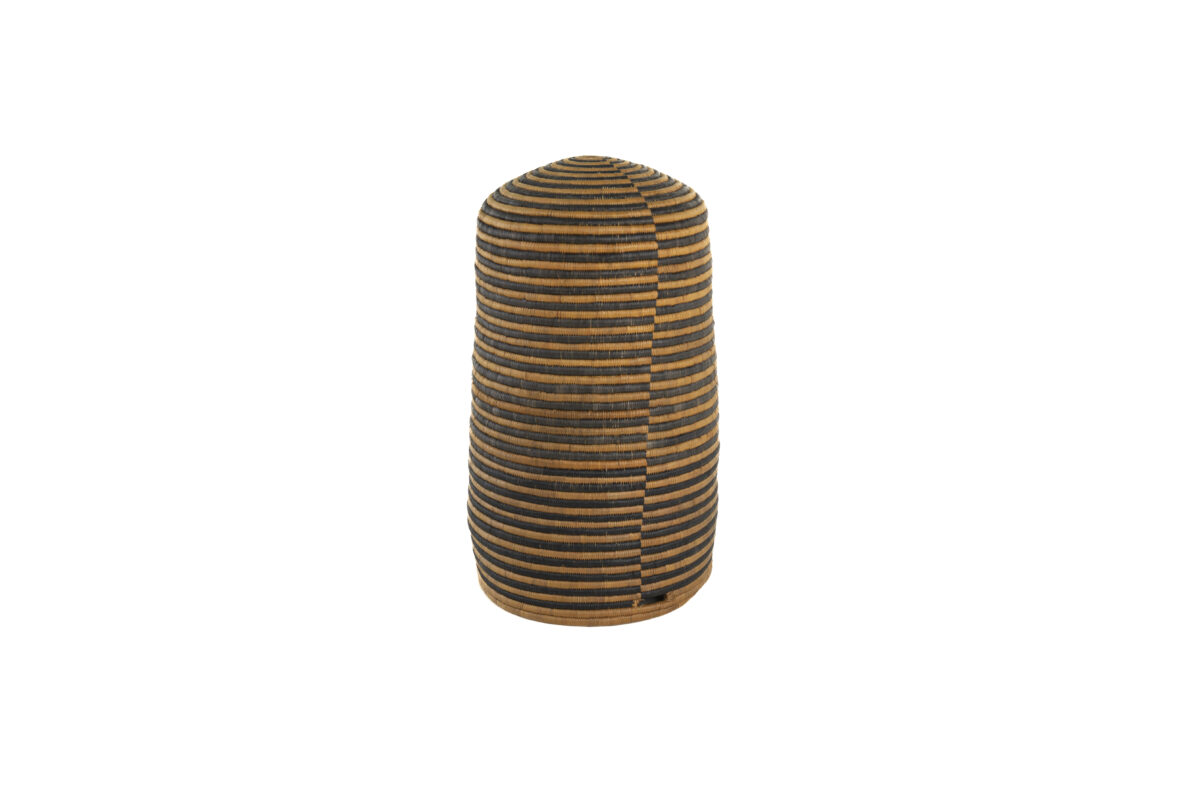
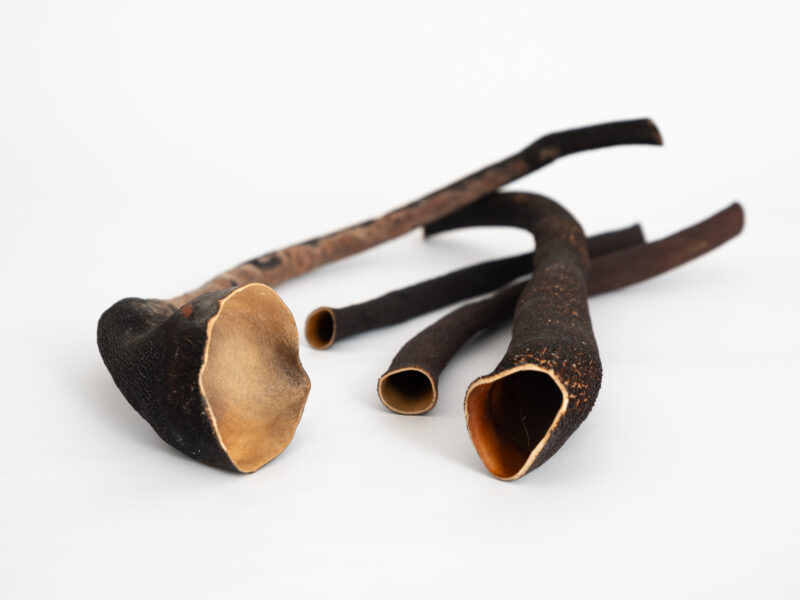
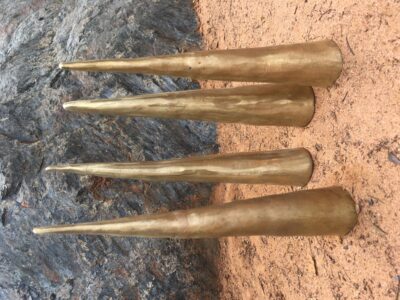
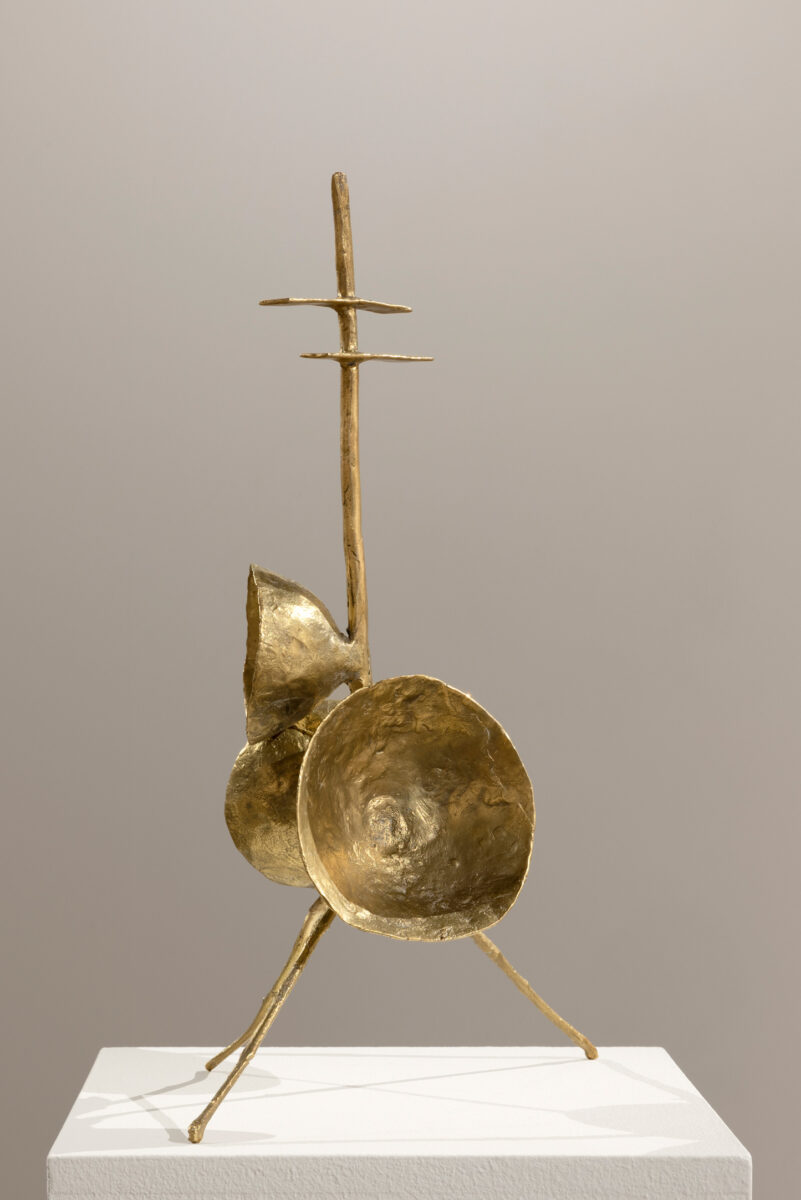
| Bullroarers or “!goin !goin,” are aerophonic devices that are swung around their own axis to produce sound through air vibrations. These instruments were used by the ǀXam-speaking San and Khoikhoi to communicate with bees. Examples of such instruments can be found in the Kirby Collection of Indigenous Musical Instruments at the College of Music in Cape Town. The collection also includes around 600 traditional South African instruments gathered by Professor Percival R. Kirby (1887–1970). To preserve these instruments, they can neither be touched nor played.To address the “silencing” of these instruments caused by collecting, exhibiting, and conserving them, Hiving & HUMing collaborated with musician and traditional instrument makers Farai Machingambi and Thobekile Mbanda. The aim was to use the collection as inspiration to develop new instruments, thereby revitalizing Indigenous sound cultures and potentially making their spiritual dimensions accessible again. |
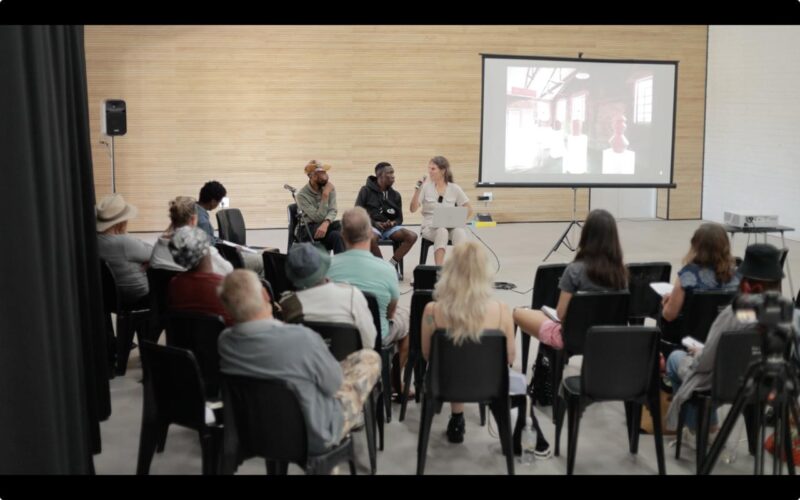
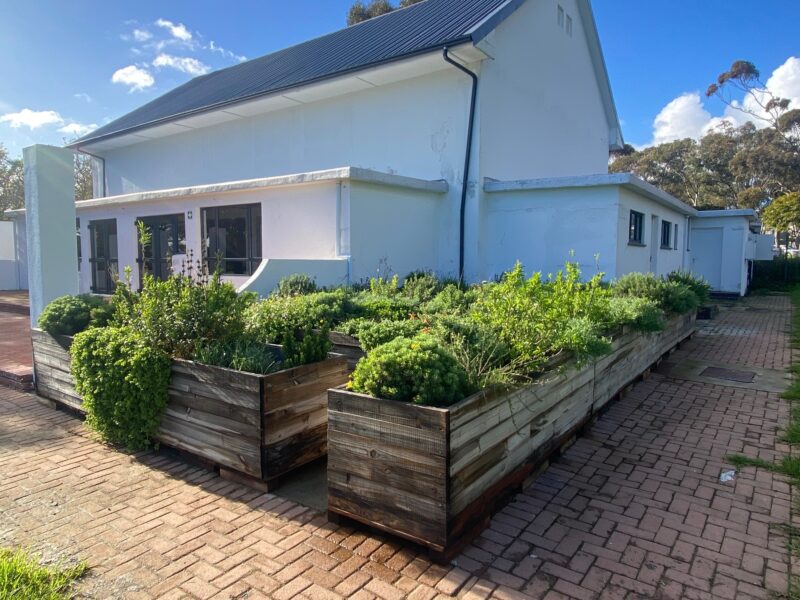
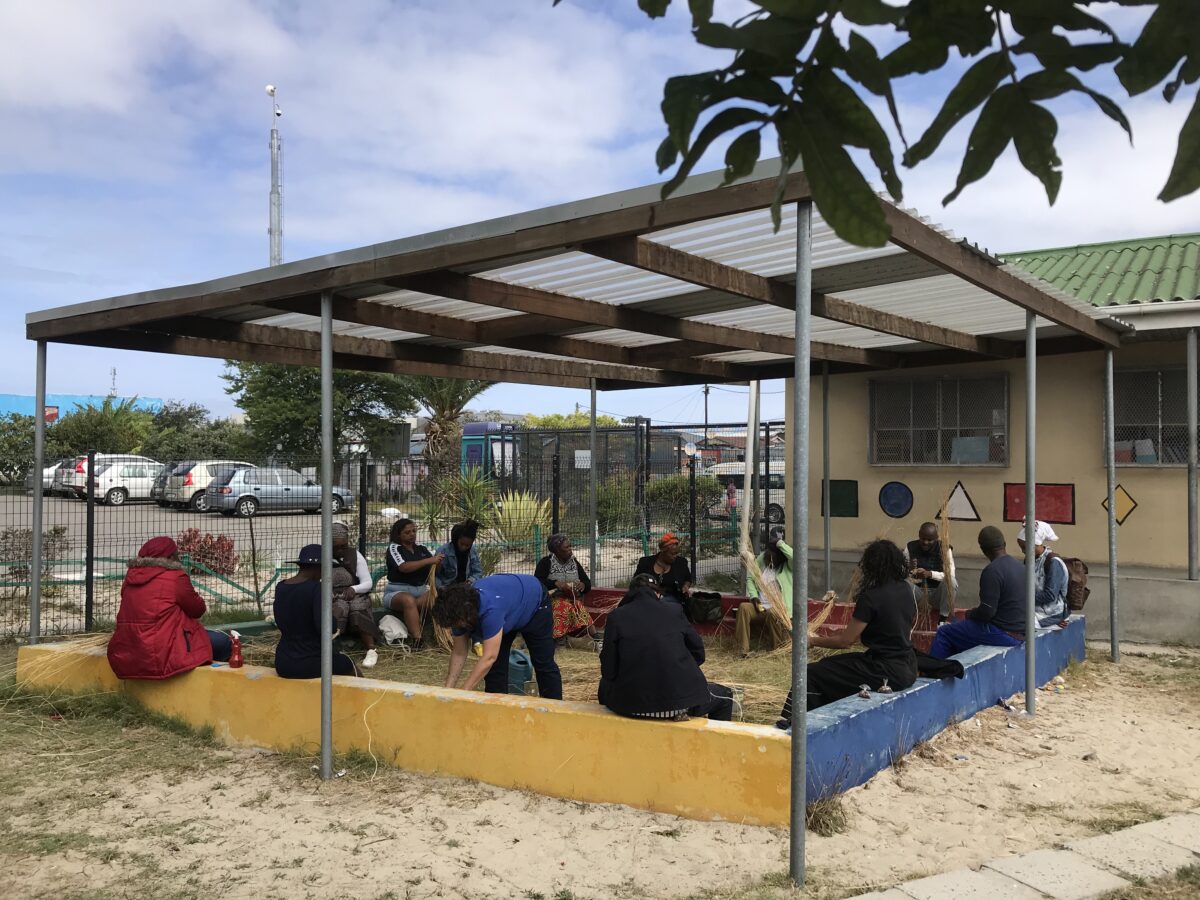
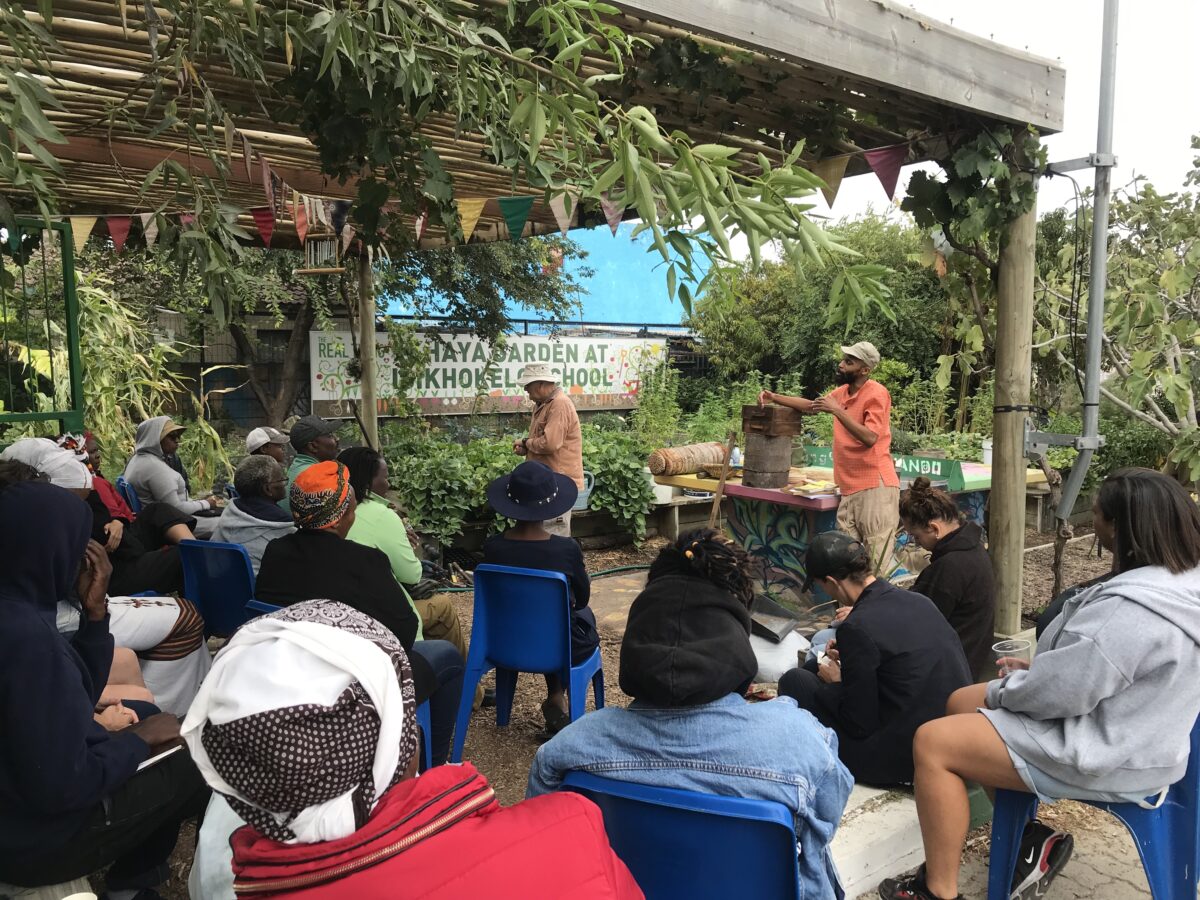
| Beehive Making - A Different Way |
| HUM Sound by Adey Omotade Damola Owolade Dion Monti Gugulethu `Dumama` Duma Elsa M‘bala Grace Kalima N. / Aliby Mwehu Jill Richards Rikki Ililonga |
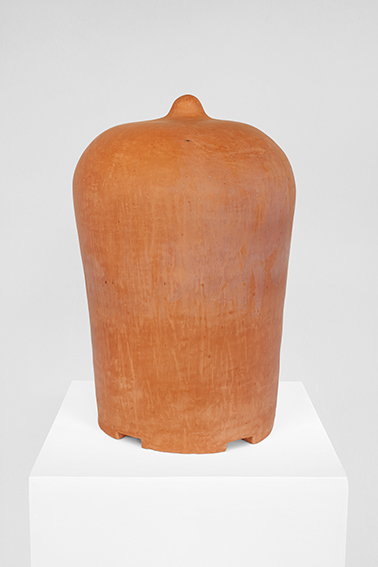
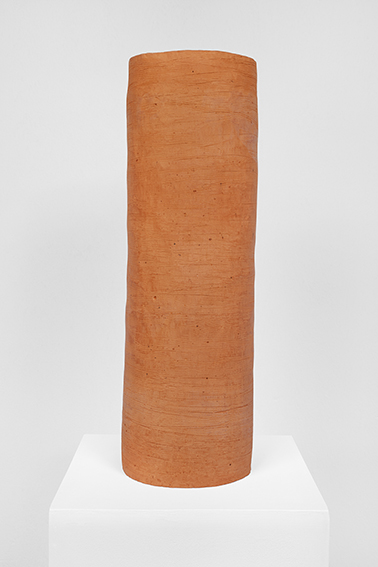
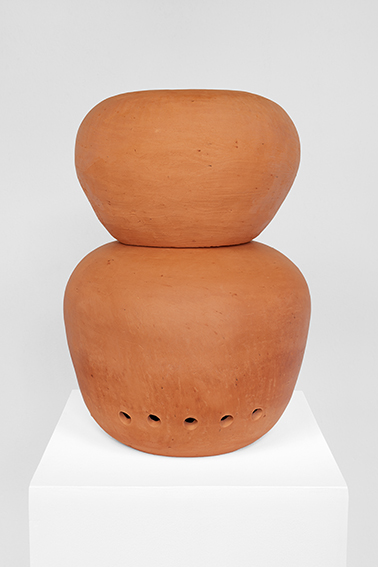
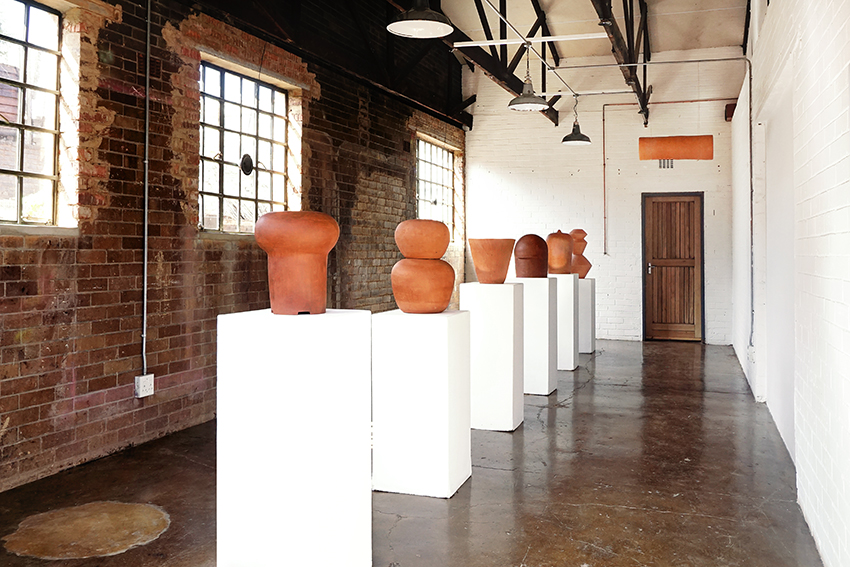
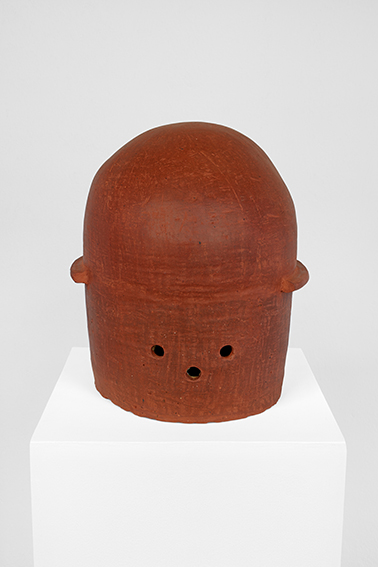
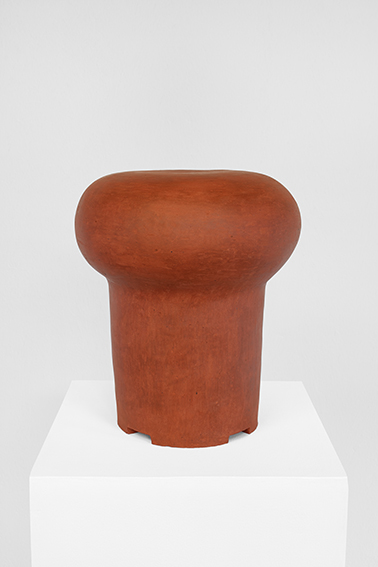
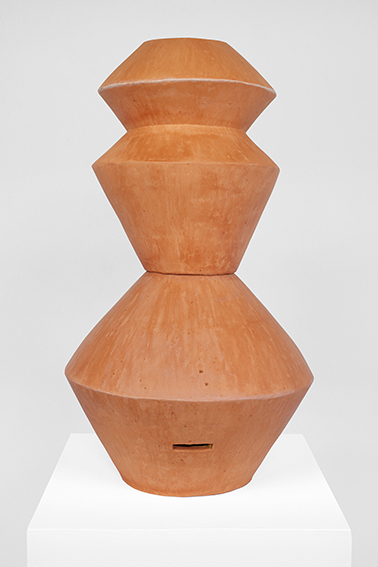
| INSTRUMENTS FOR THE ONE WHO DANCES WITH JIGGLING BRASS |
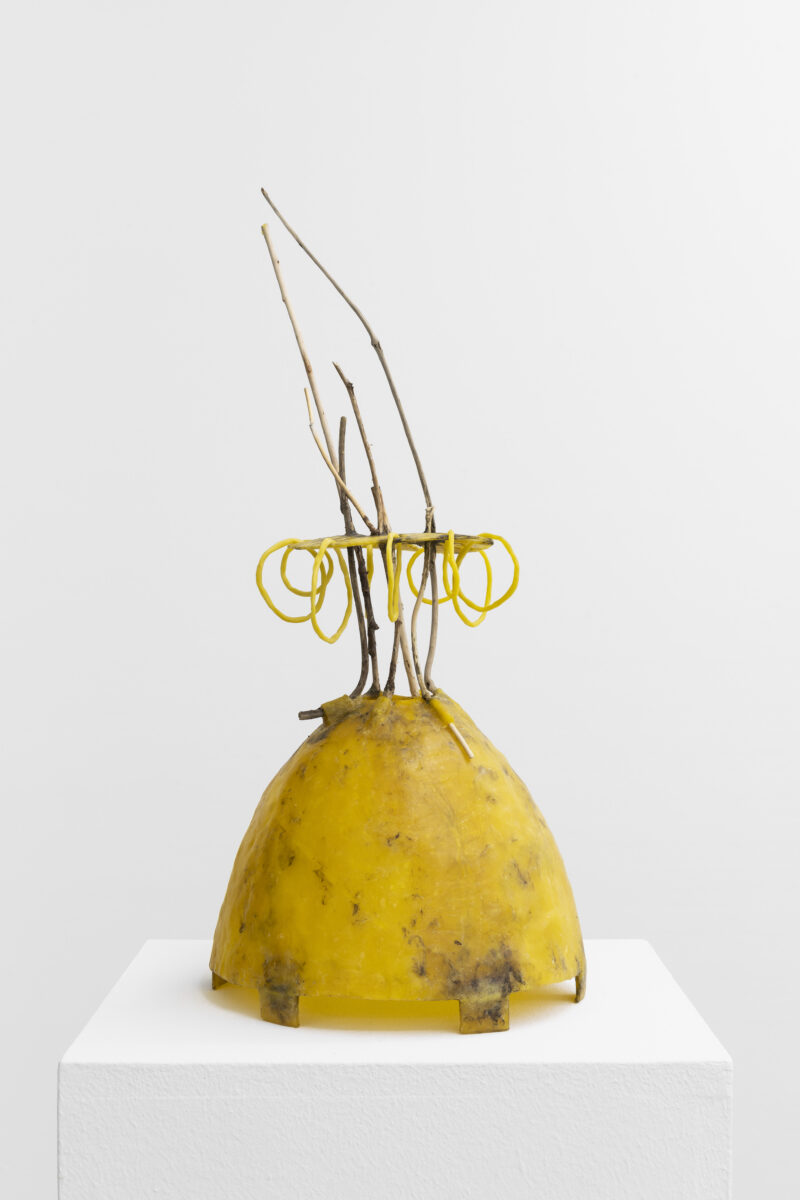
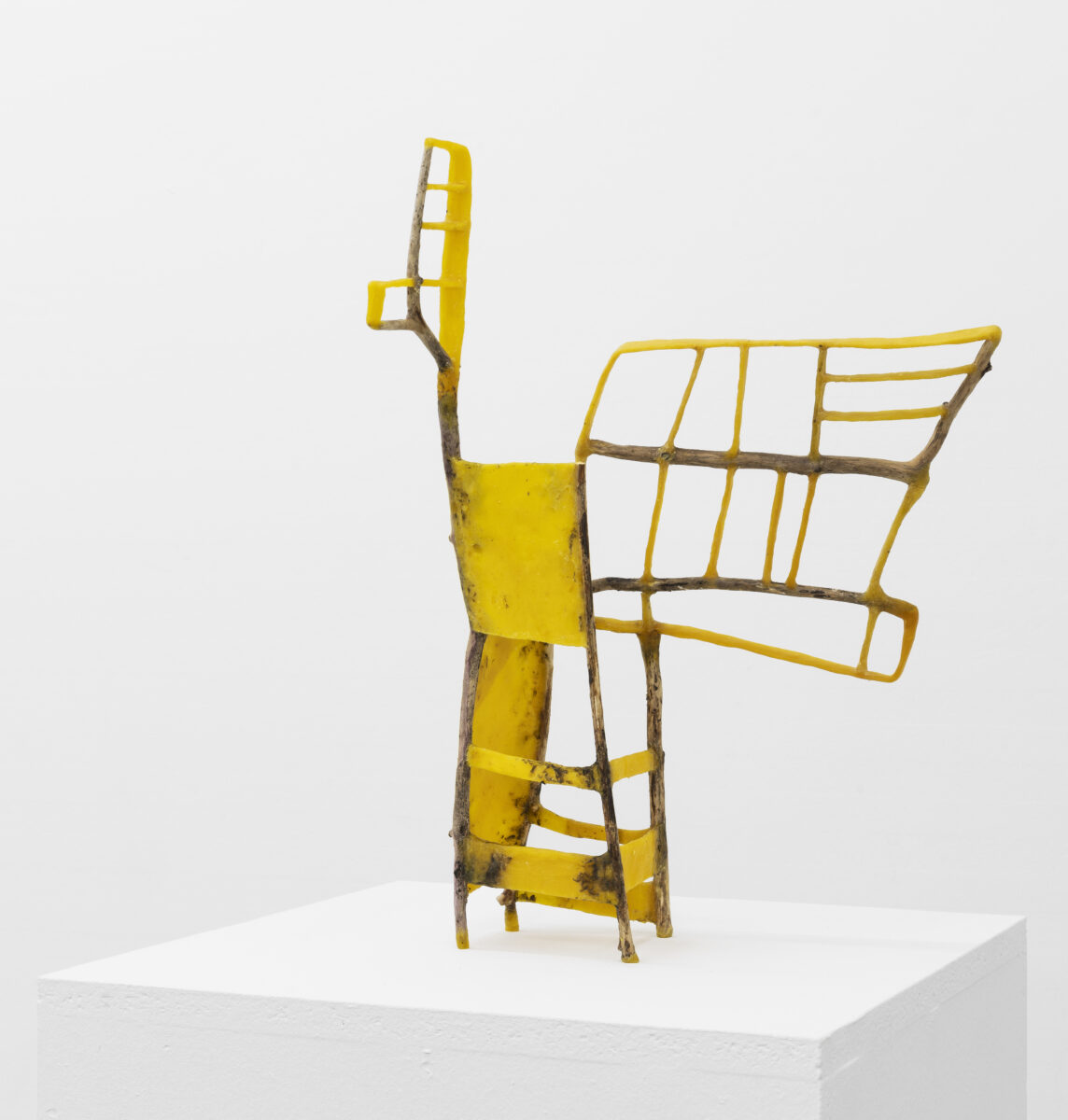
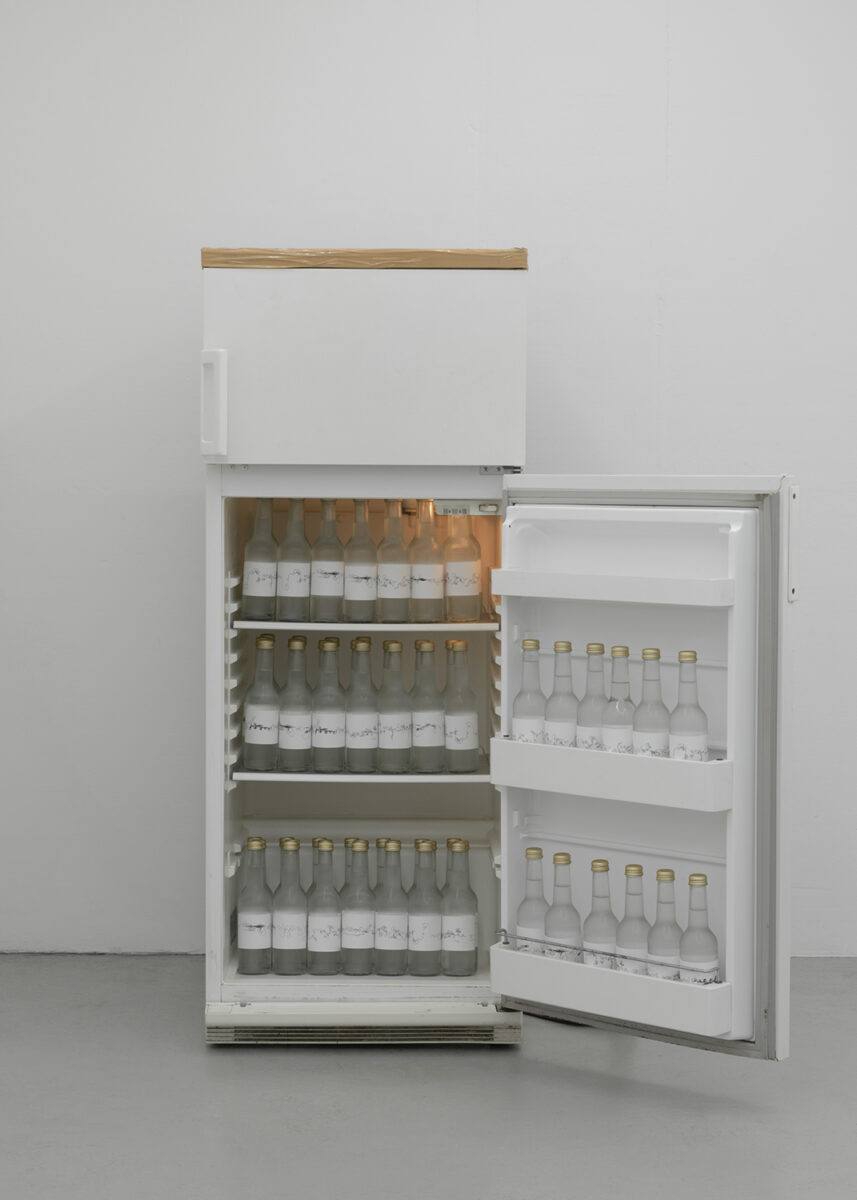
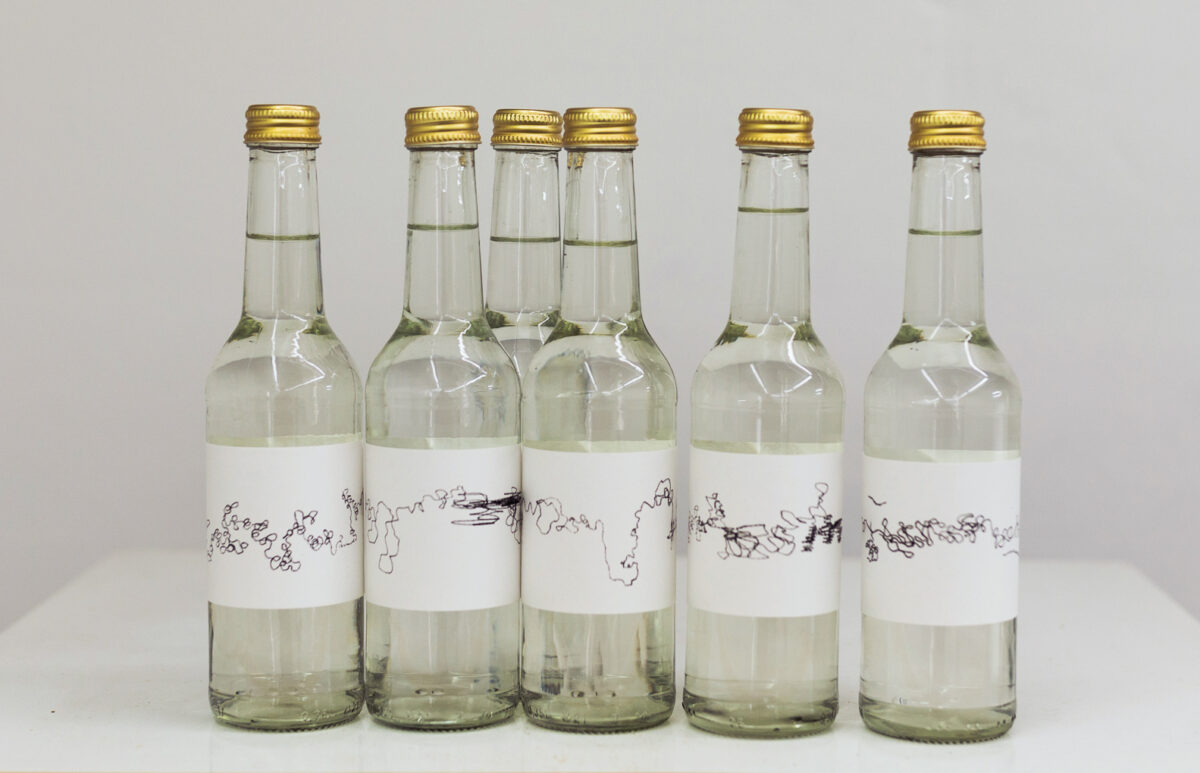
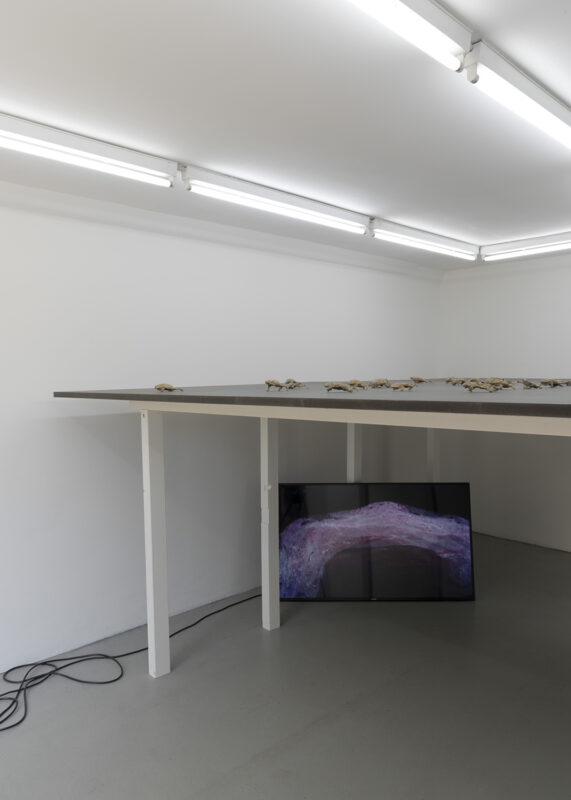
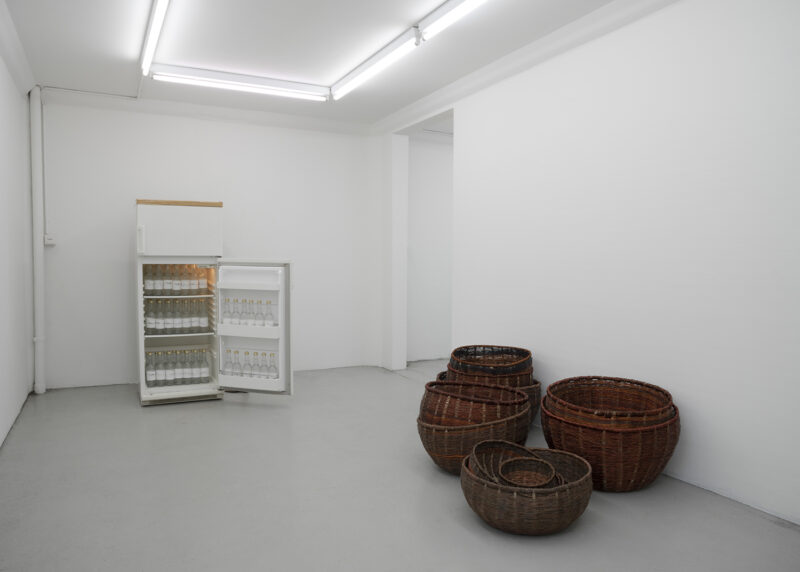
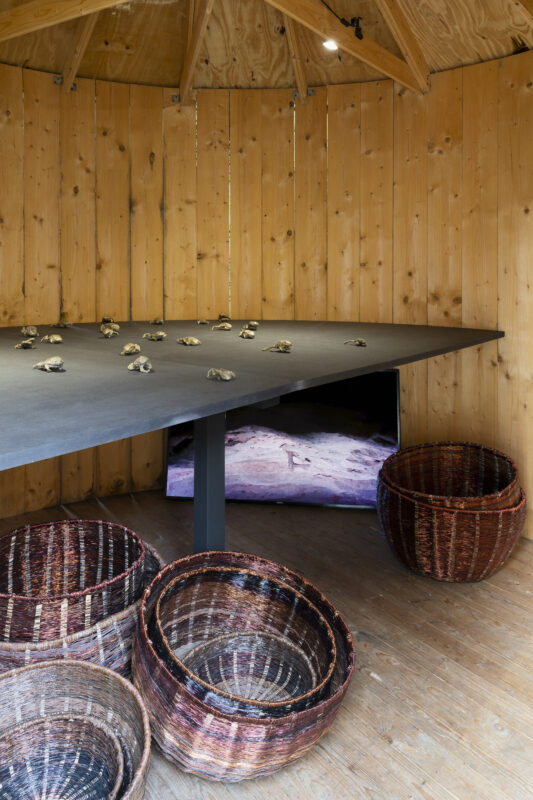
| Commoning refers to social practices that see themselves as self-organized, equal and needs-oriented cooperation. All those involved contribute their experience and skills and decide together how and to what extent resources are used. It is jointly agreed how to produce, manage, maintain or use. |
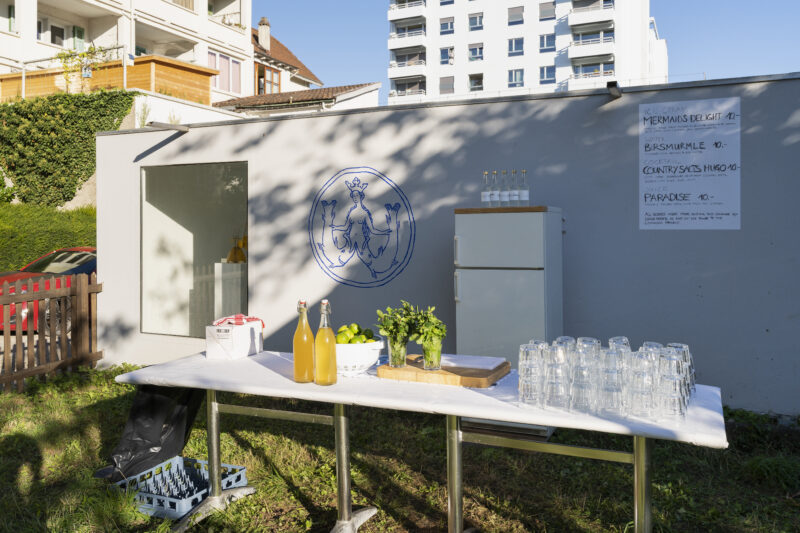
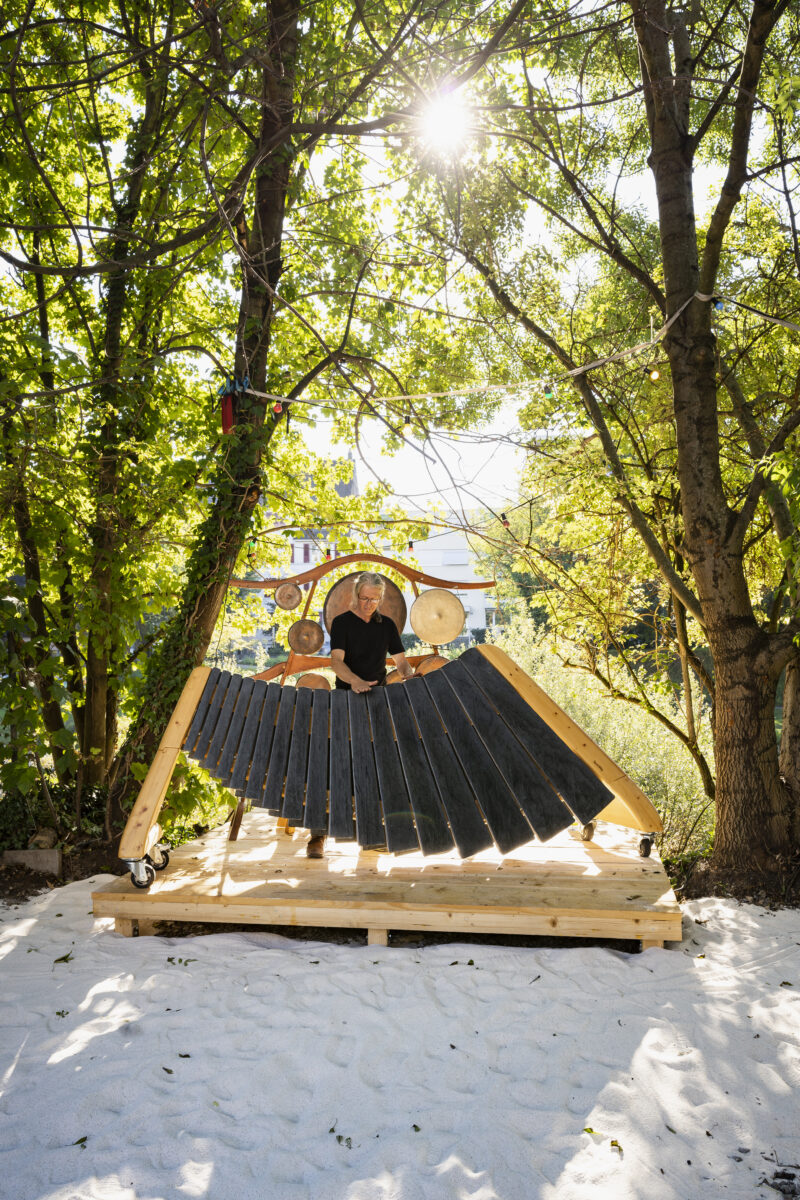
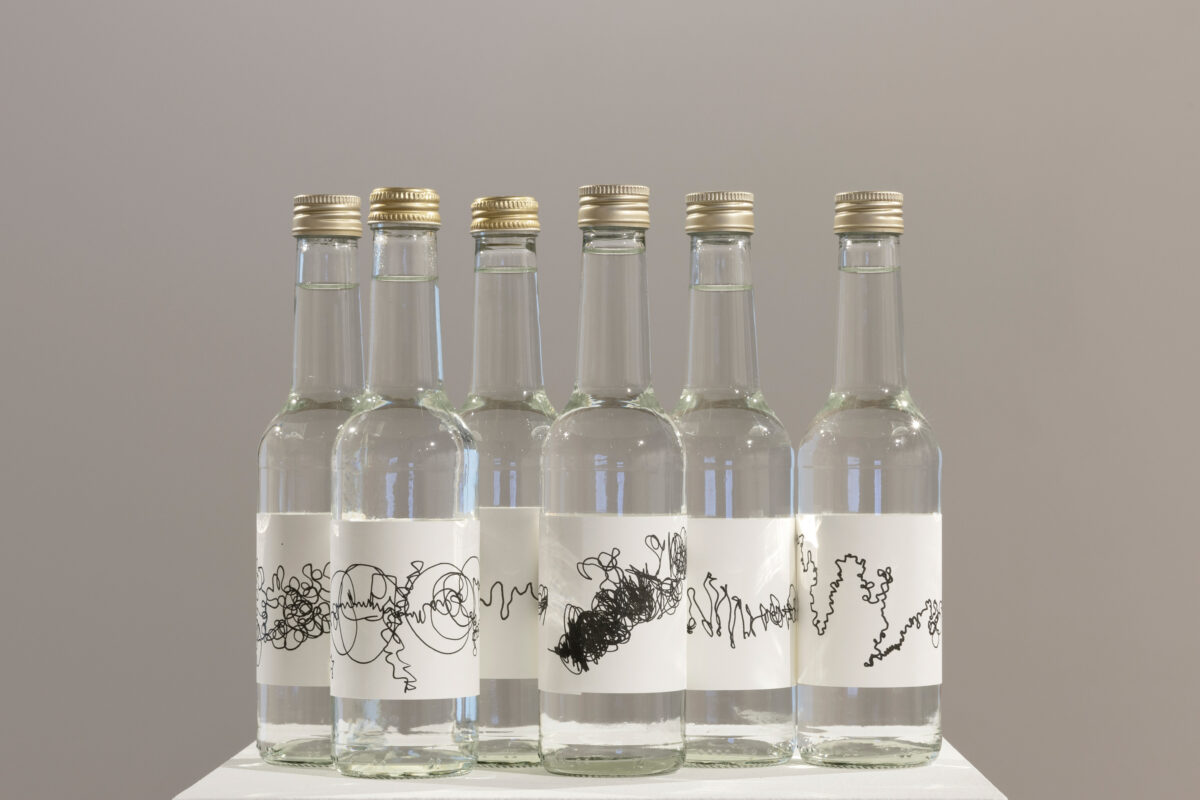
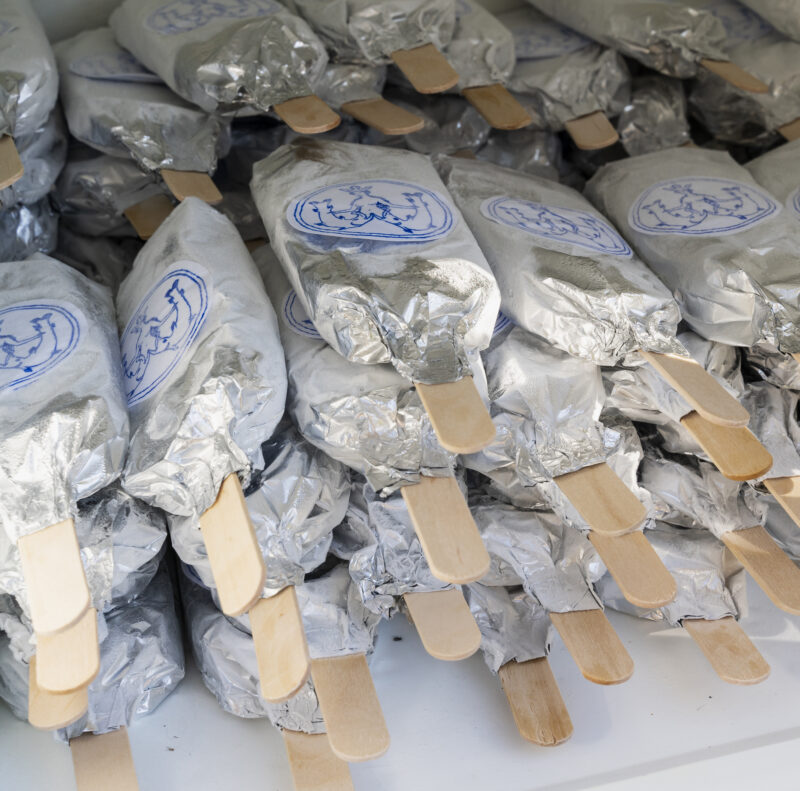
| COMMON BAR Paradise - apple juice from the garden Hugo Cocktail - with elder flower syrup made from the garden Birsmurmle - filtered river water Mermaid's delight - ice pop with filtered river water and honey from the bees The money made with the bar went to the High Priestess of the river goddess Oshun (Yoruba river deity) in Oshogbo, Nigeria |

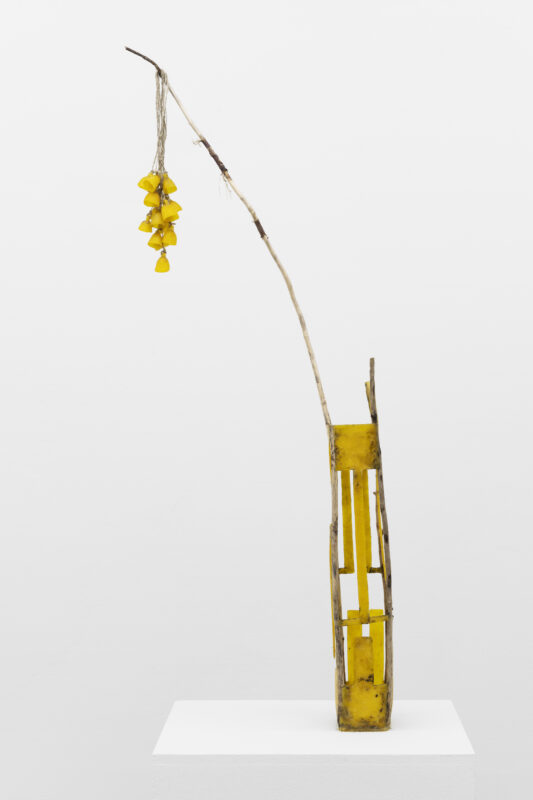
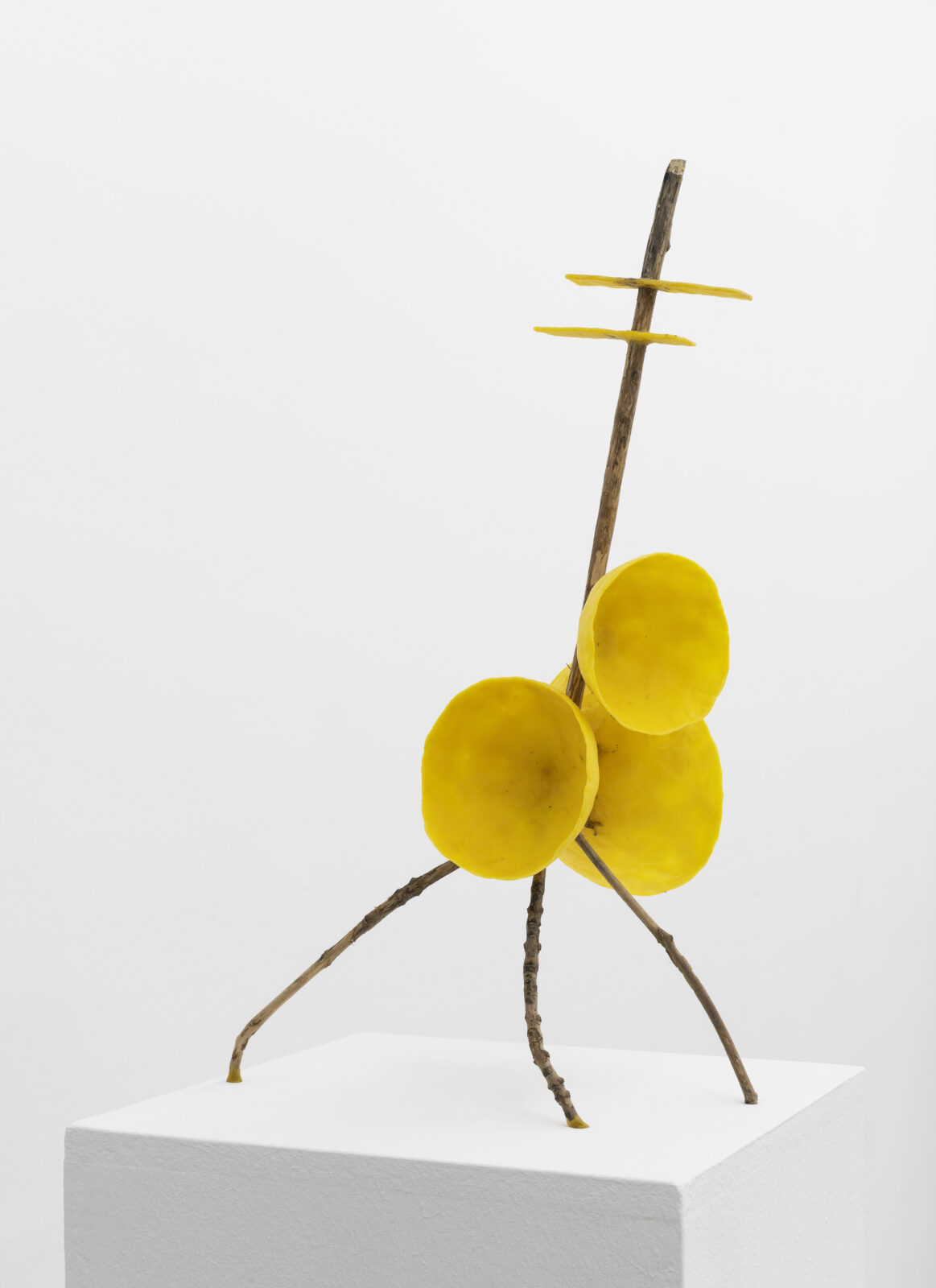
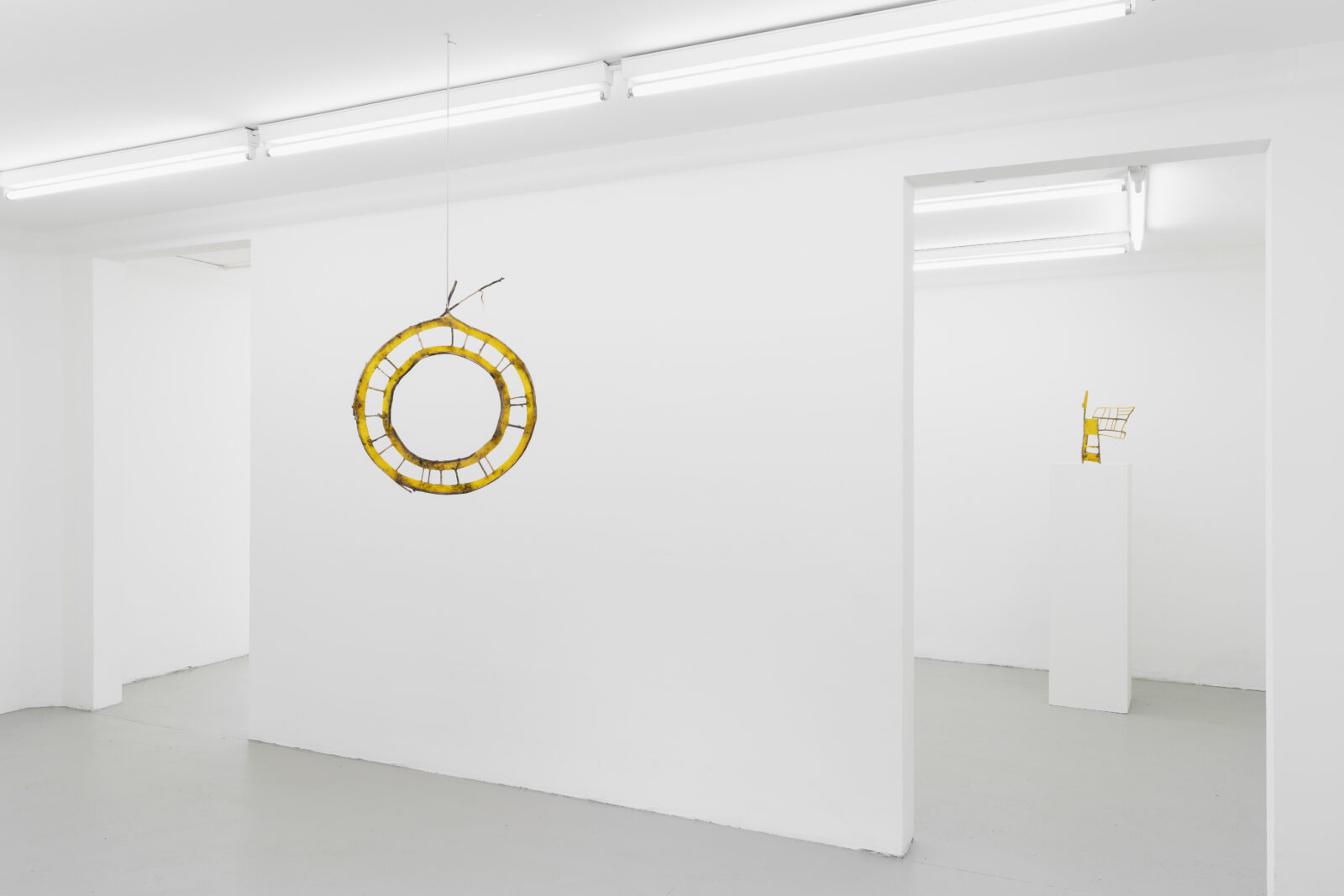
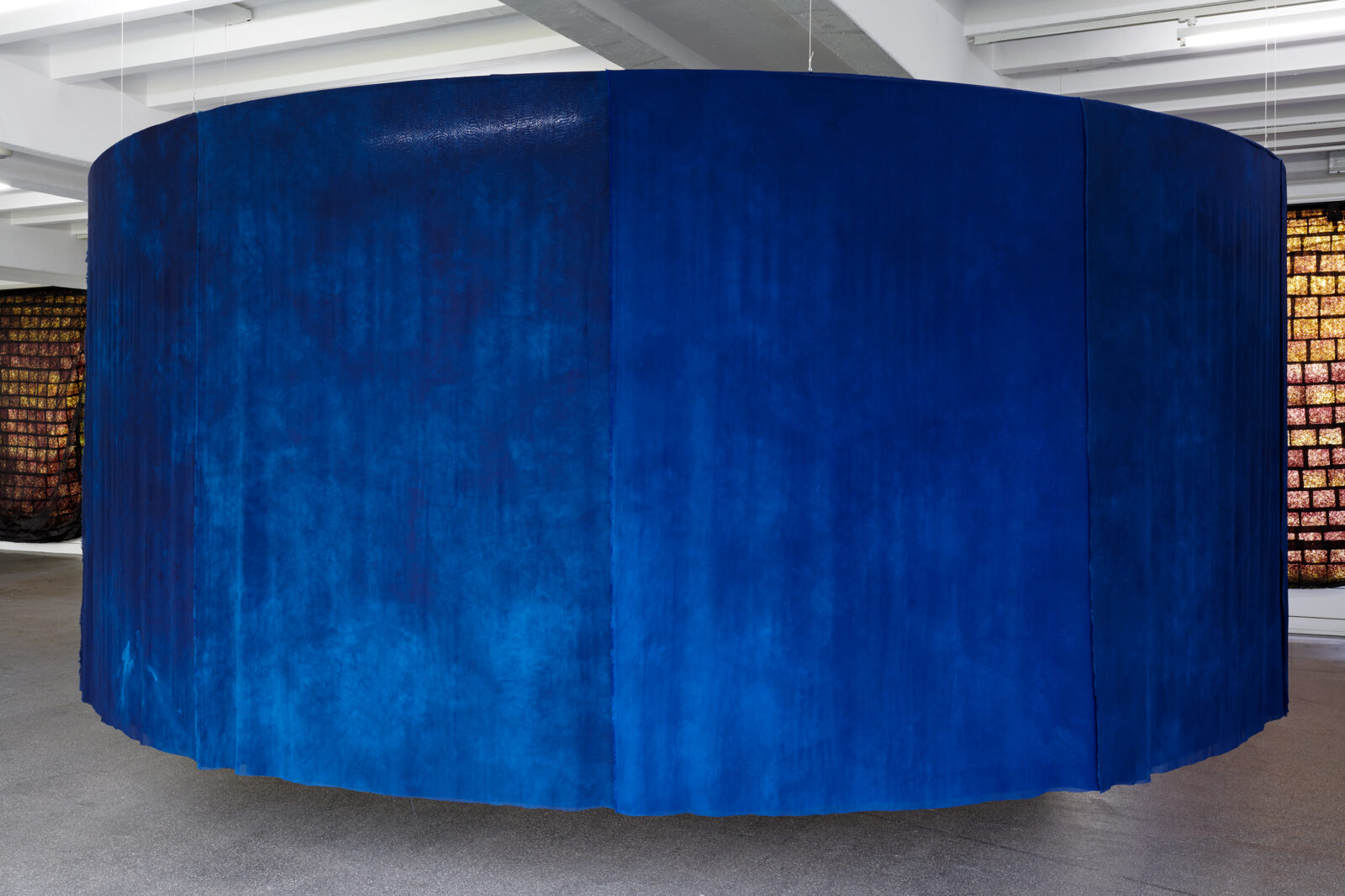
| BLUE GOLD SOFT SPHERES |
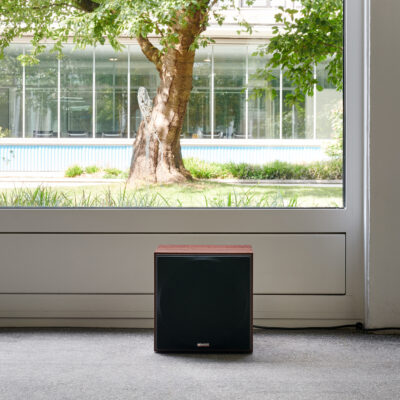
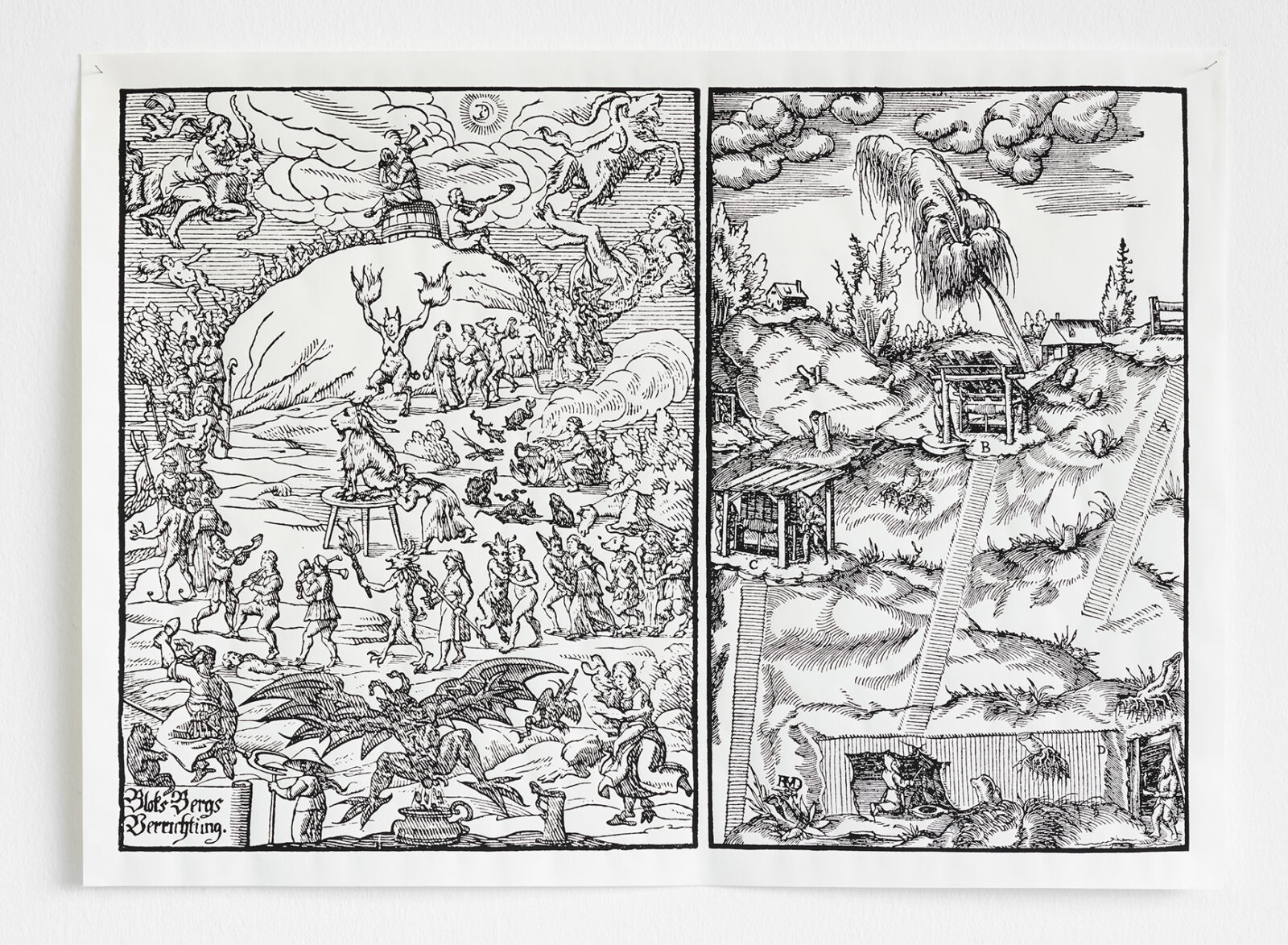
| Ìsàlè Èkó - The message never sees the light of day, but is understood A shallow grave was dug for the recording instruments to lie in. Dirt heaped on top, the dirt blocked out the sunlight, the sound of beneath grows louder. Submerged, shards of lighter higher sounds filtering through the topsoil like young stalks breaking through the soil seeking the face of the sun to grow. Life and death. The intensity of the pressure of being underground is then compounded by layering the sub harmonics of the composition with some tube valve warmth to emulate the heat of the earth, All the energy lies in the sub, the reach of a sub harmonic wavelength is long, the message is carried further underground, like a network of tree roots. The message never see the light of day, but is understood. by Leke "CHiFY" Awoayinka |
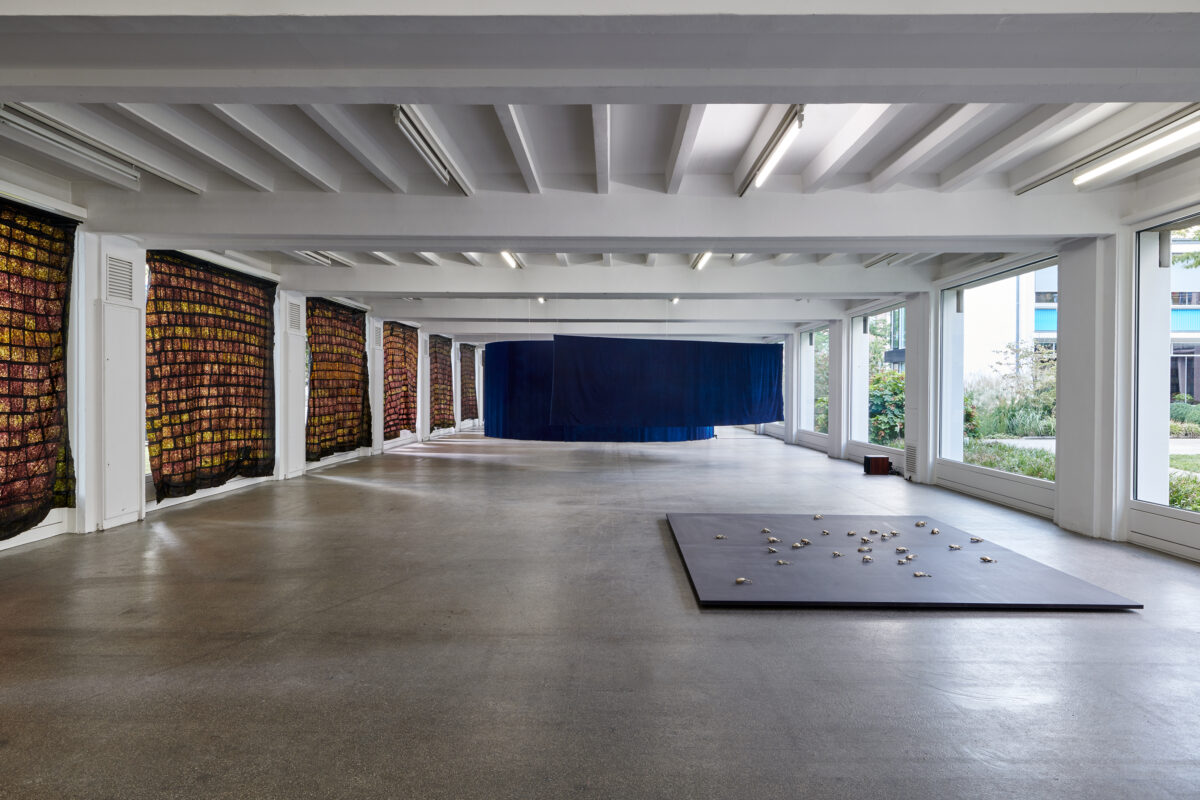
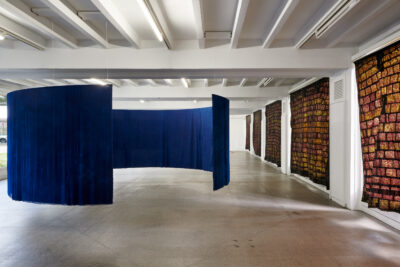
| UNDERWATER ECONOMY |
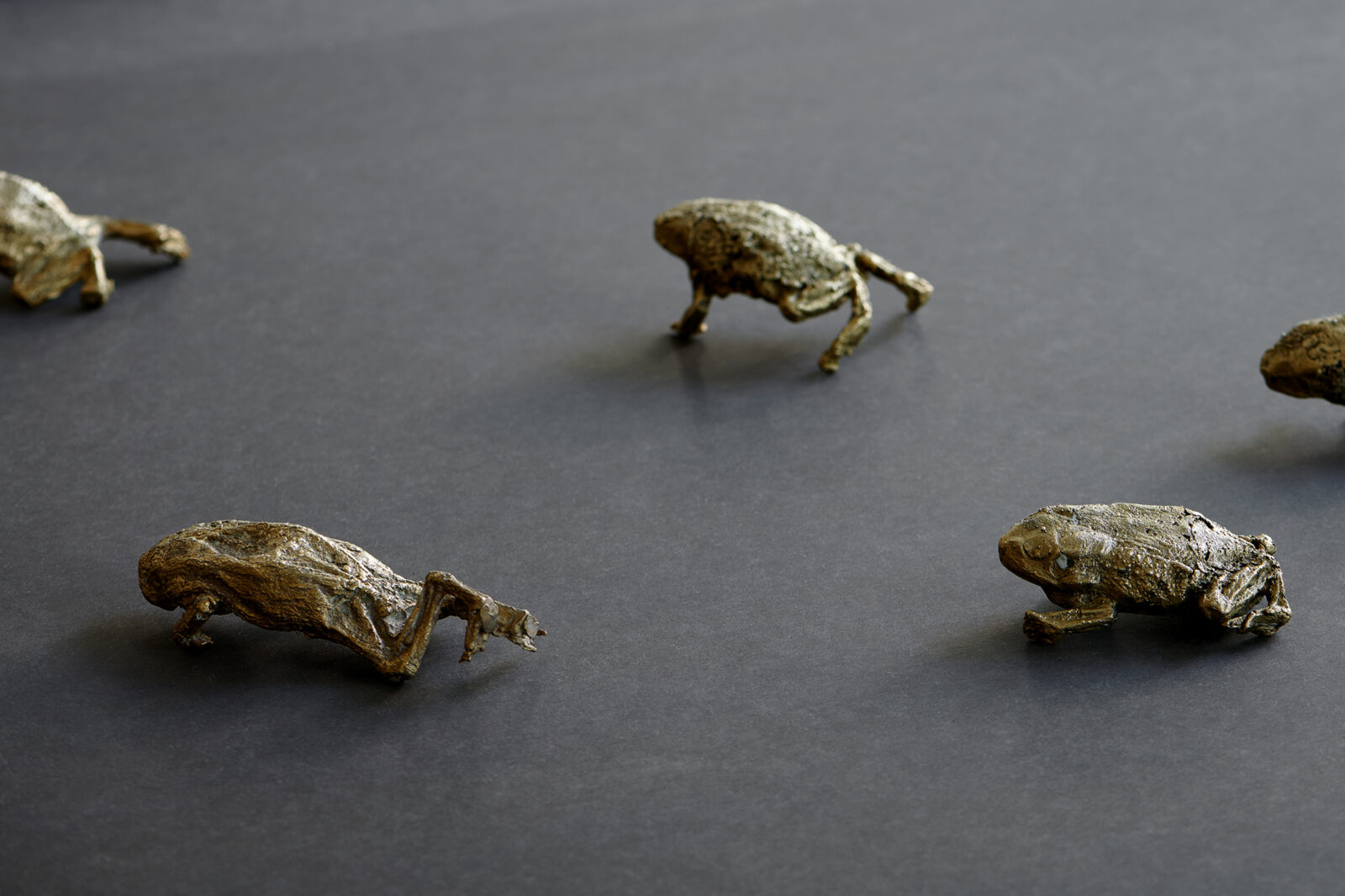

| CULTIVATING AUTONOMY |
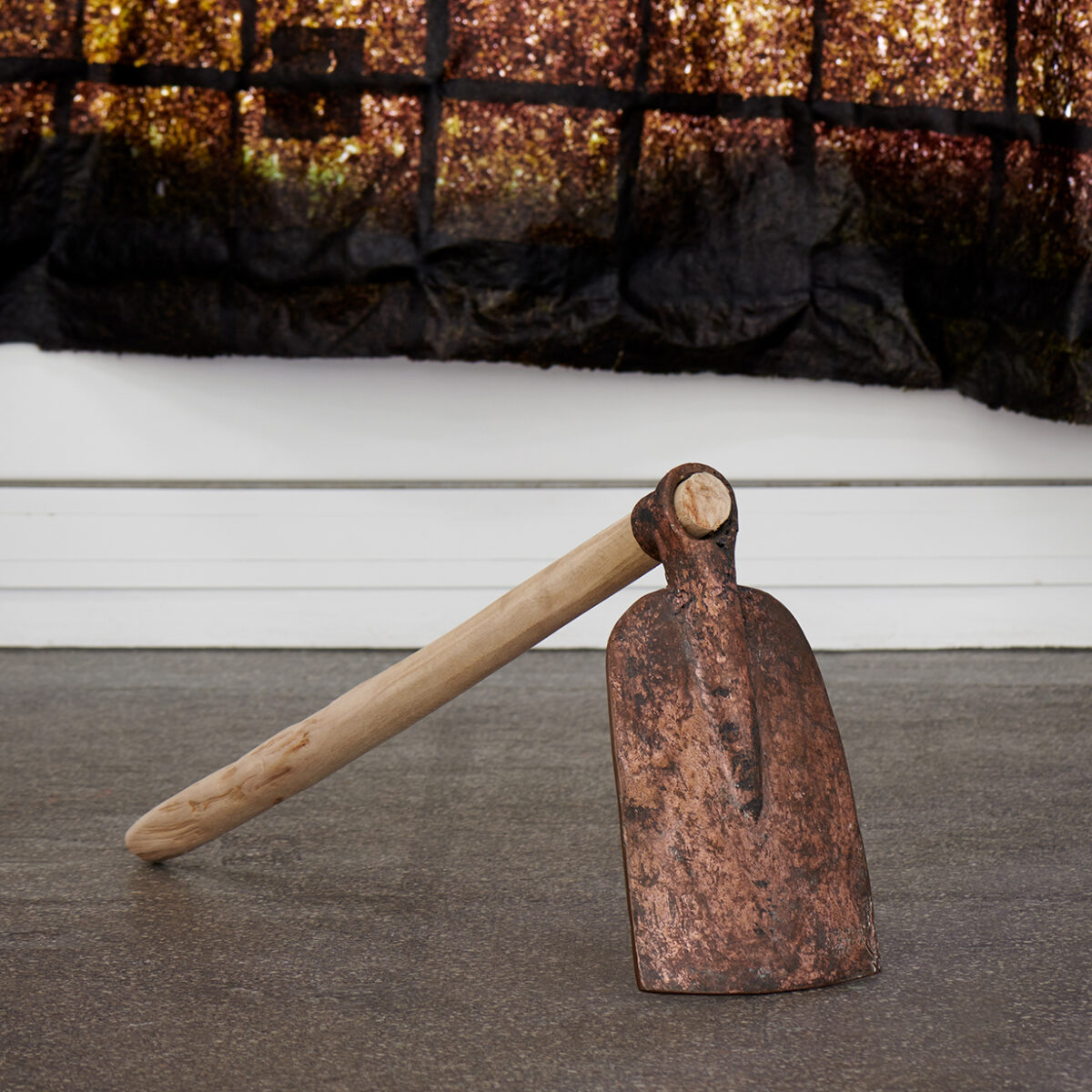
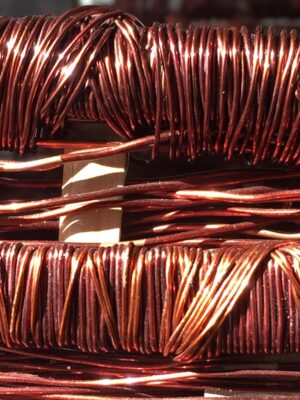
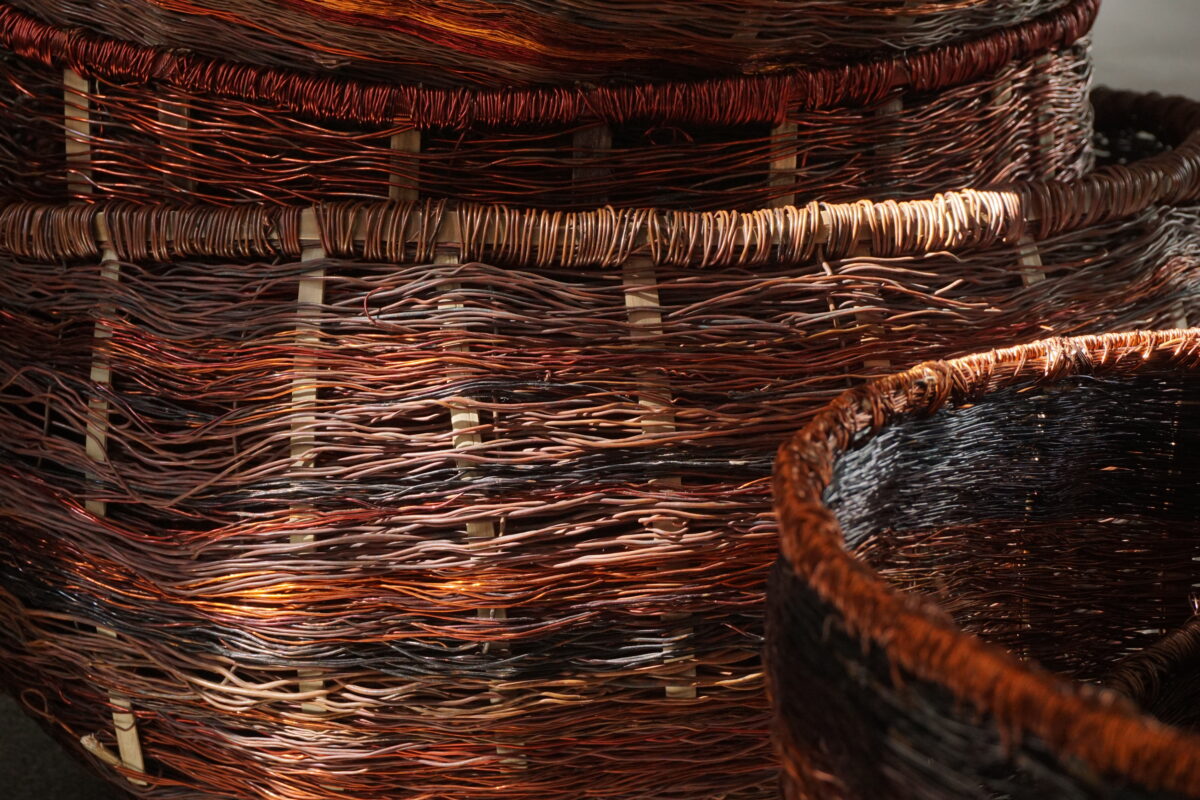
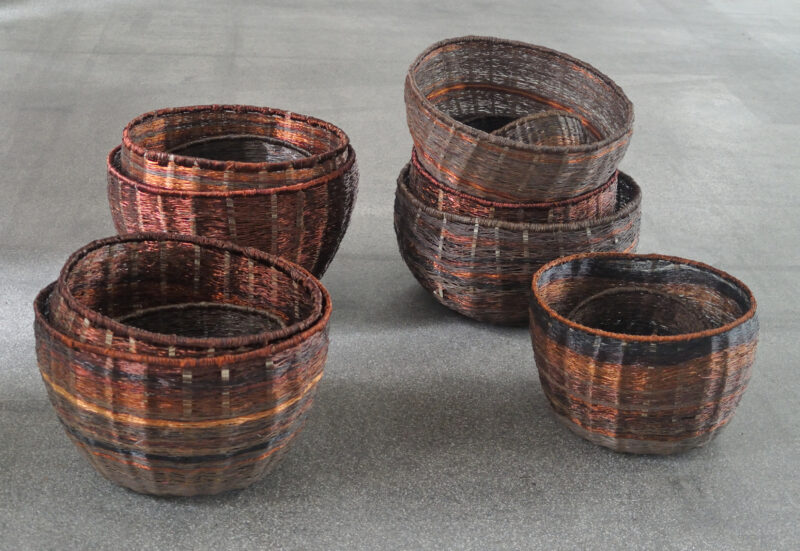
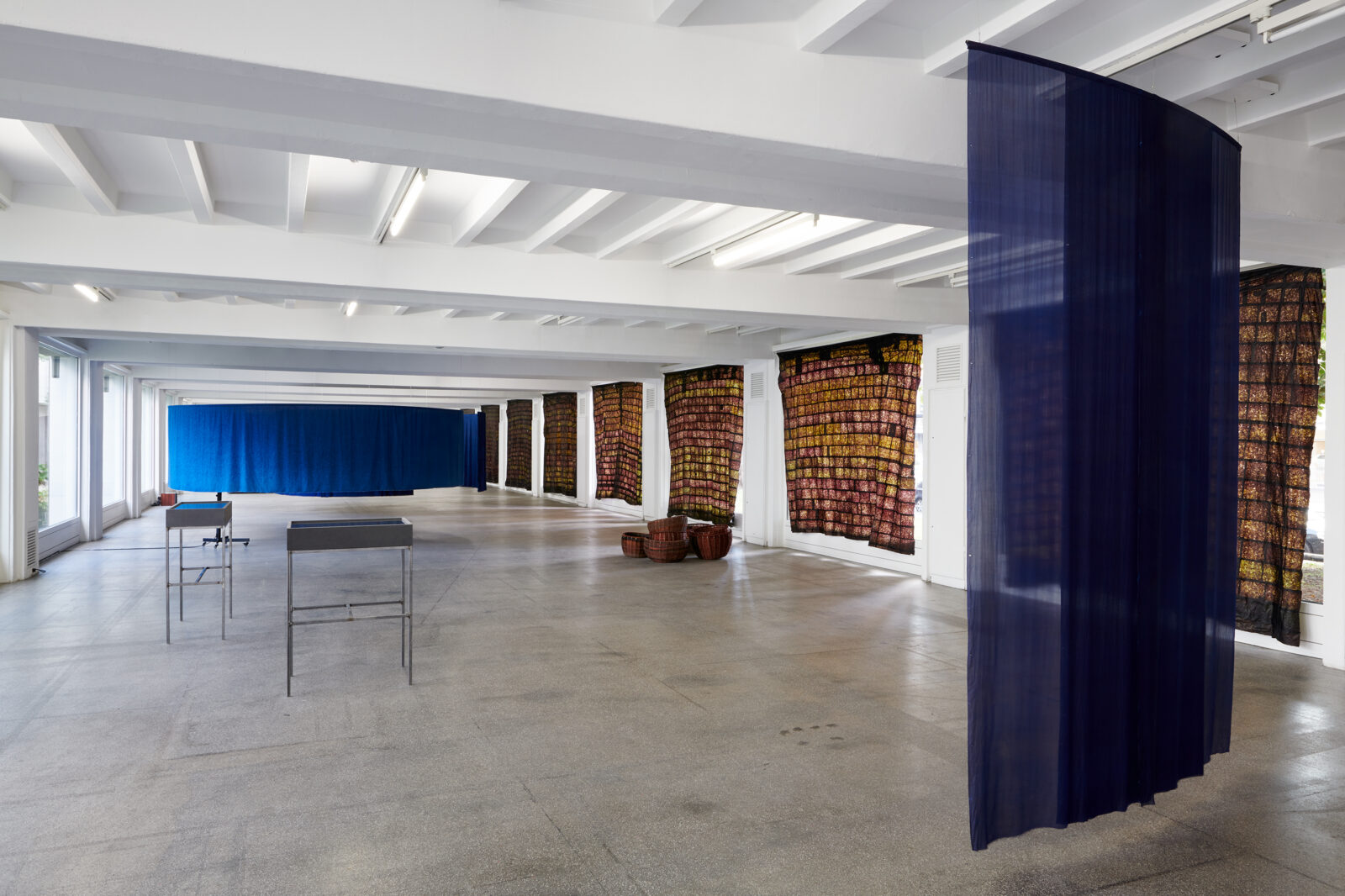
| A world where violence, foreign domination and profit prevail and our relationship to the earth, or how it is used and abused, is seen by the artist as synonymous with how bodies and their emotional “landscapes” are dealt with. The more resources, including copper—without which our contemporary digital world is inconceivable—are mined, the more the search for or connection to inner resources seems relevant. These various themes and their associated stories are not necessarily addressed directly in the exhibition or reproduced. Rather, they are kept present through the materials enlisted, by relating to their origin, their use, their historical relevance, their development and the trade routes that have shaped our society very physically over time. The artist creates a space, in a certain sense a “third space”, in which a larger spectrum of stories and their complex interrelations with matter, material and their transformation and relationship to people can be experienced, and other perspectives made possible. From the materials and plants that are addressed, she extracts, in a way, the essence of their inherent energies and logics, makes them physically perceptible and thus ultimately also calls upon their nourishing properties. |
| INSTEAD OF LONGING |
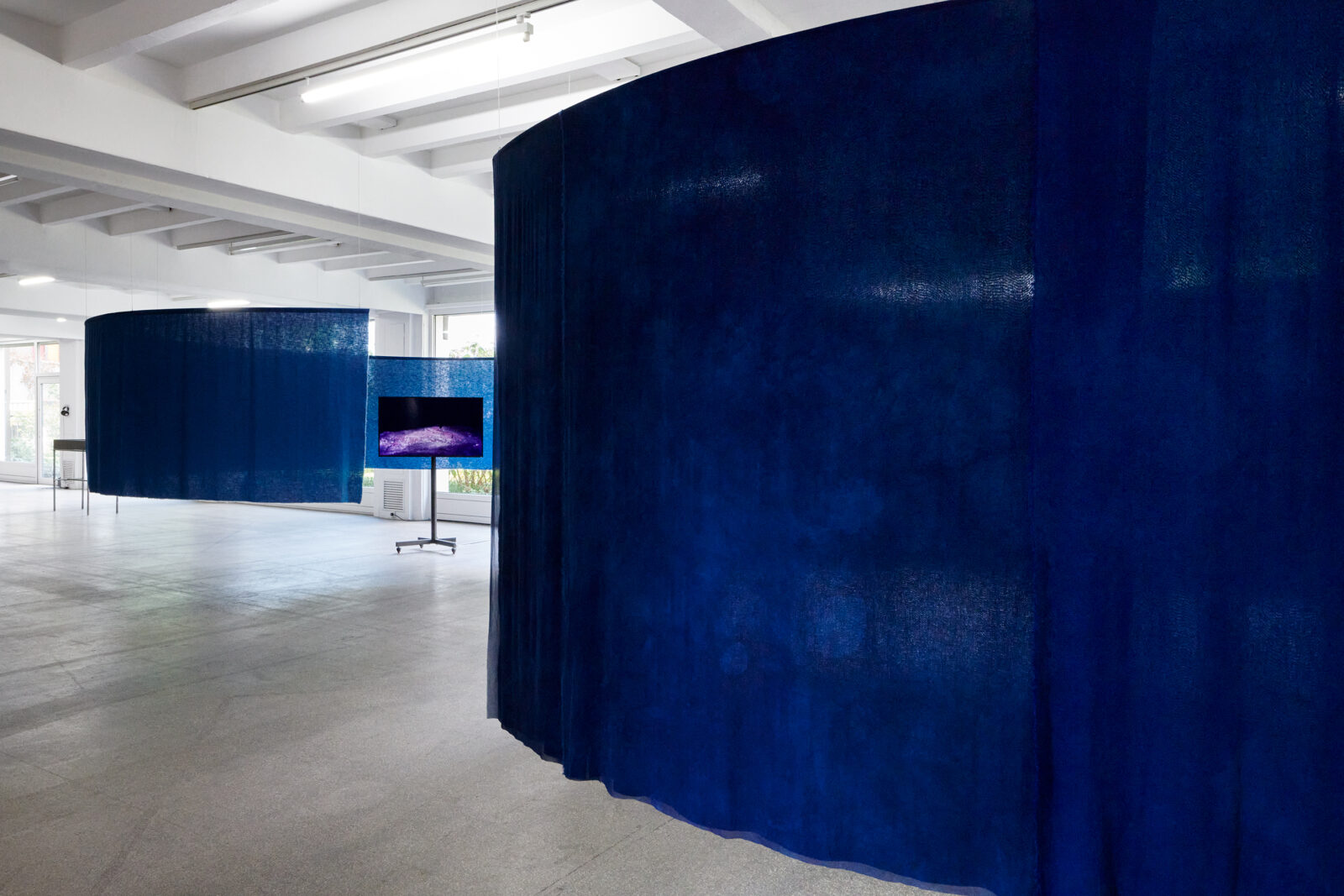
| MARKET |
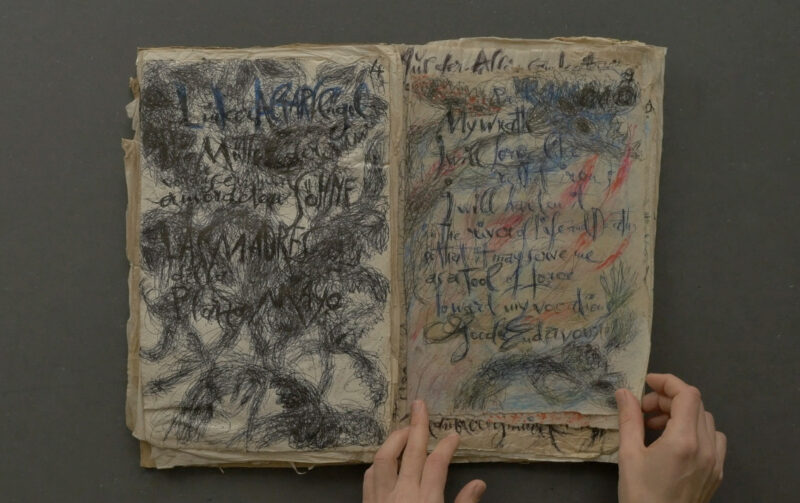
| SUSNNE WENGER DIARIES |
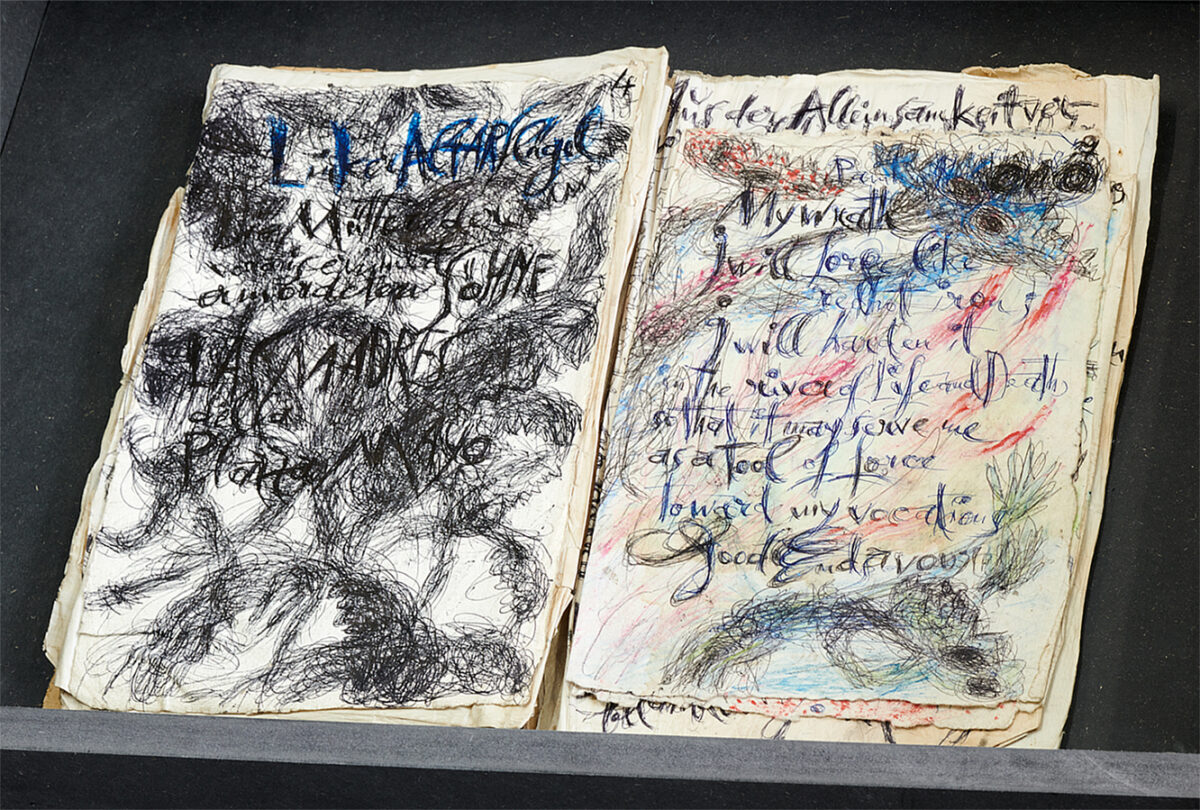
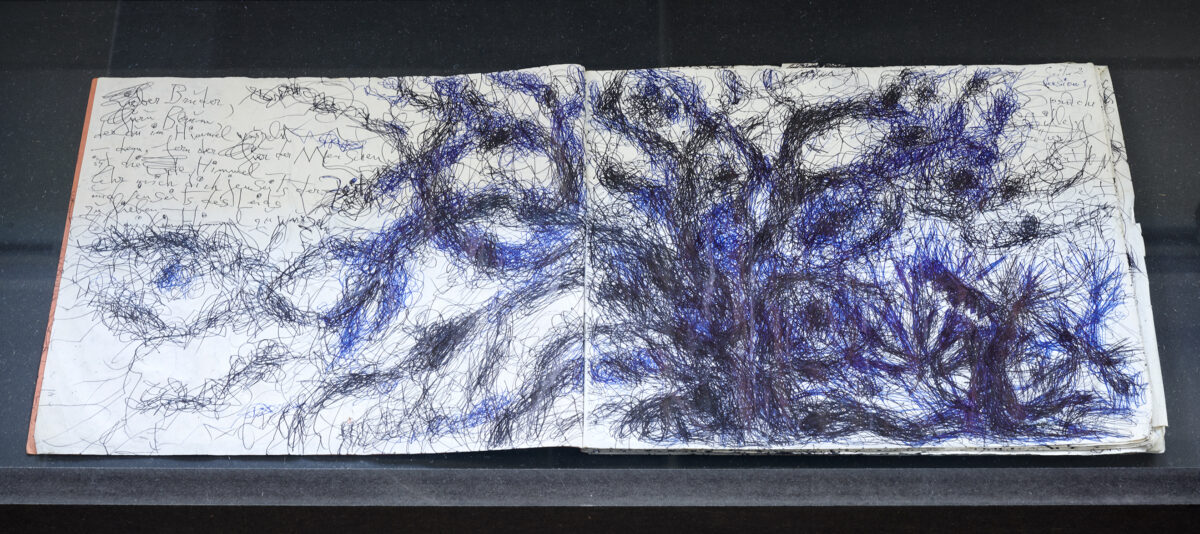

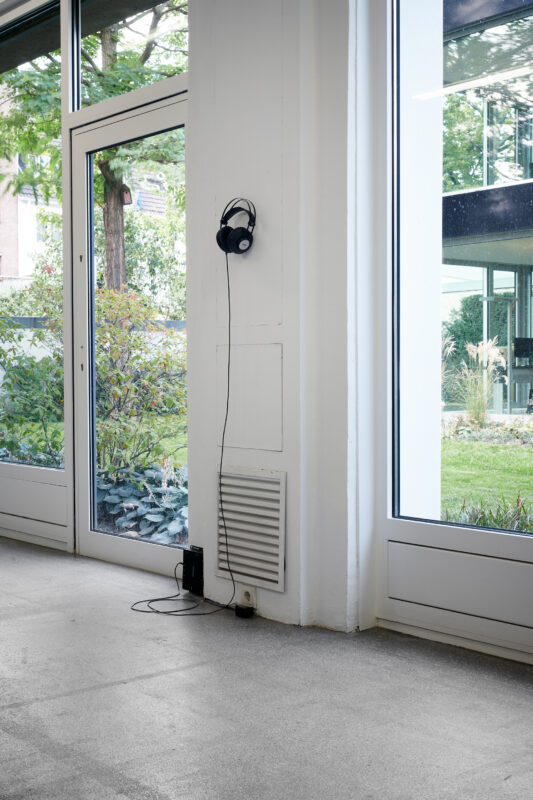
| MEMOIRES OF A SEER: VORWÄRTS-ERINNERN, 2020 Composition and voice by Jumoke Adeyanju aka mokeyanju, 9:15min Poetry (German Original): Susanne Wenger Poetry (English / Yorùbá Original): Jumoke Adeyanju Sample von: Jack Mensah |
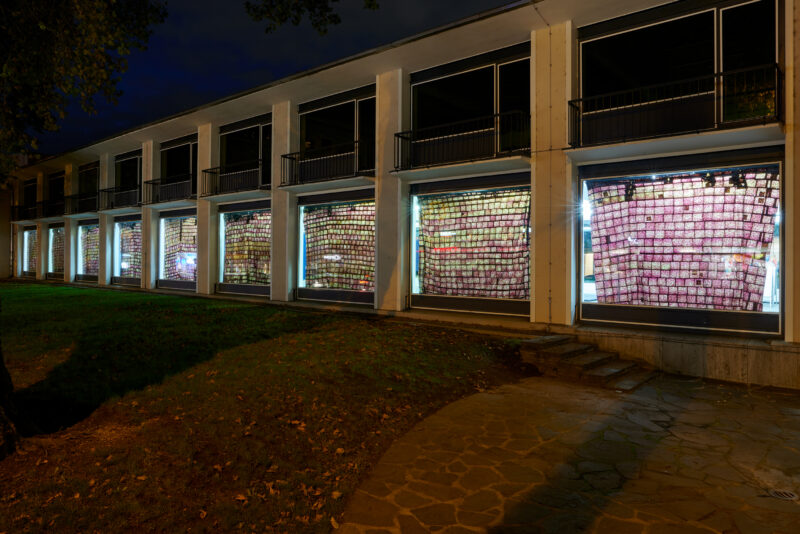
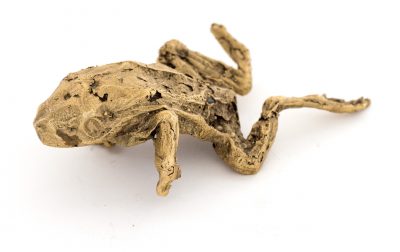


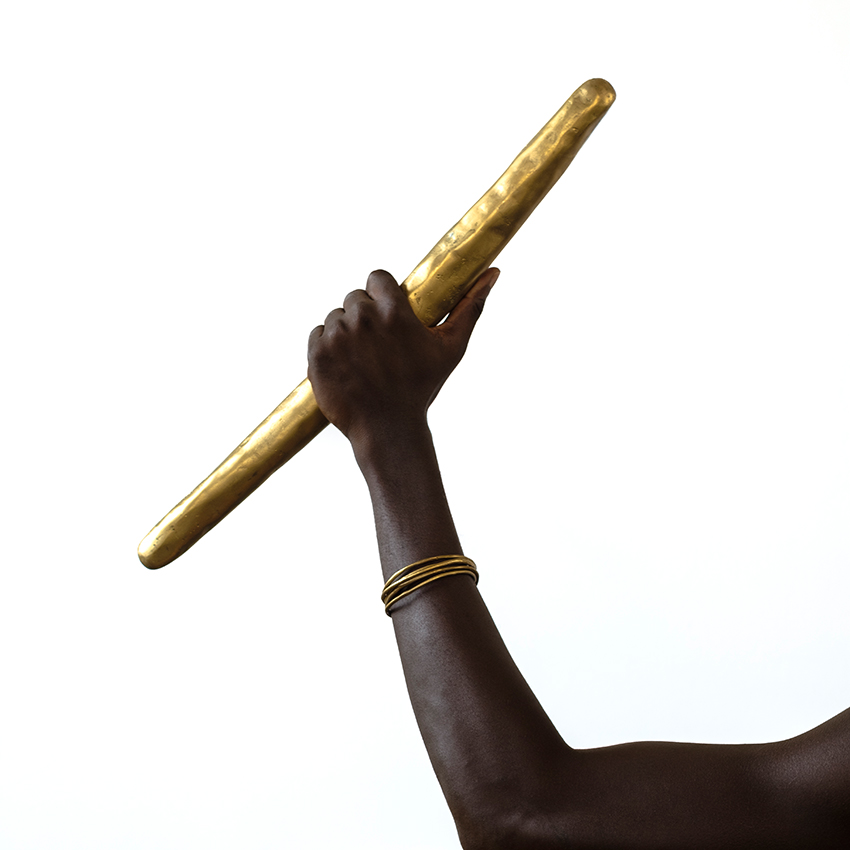
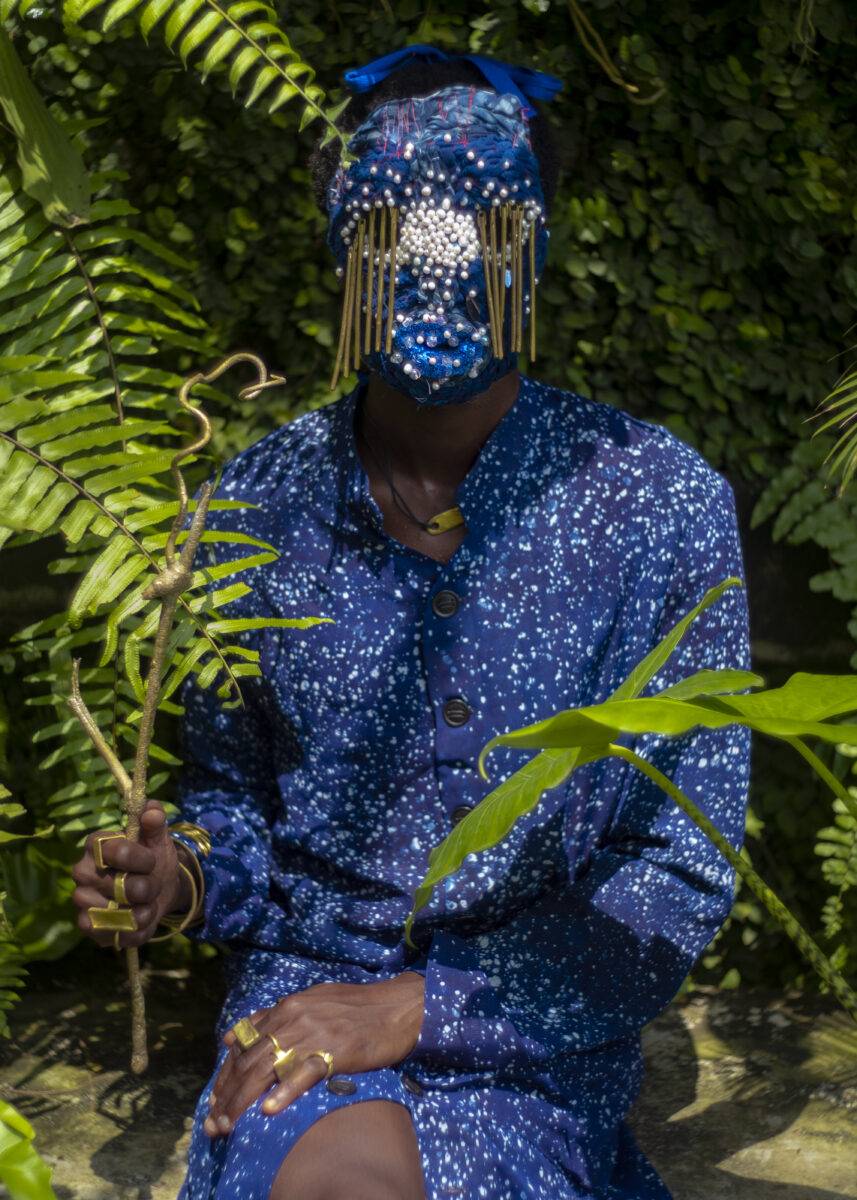
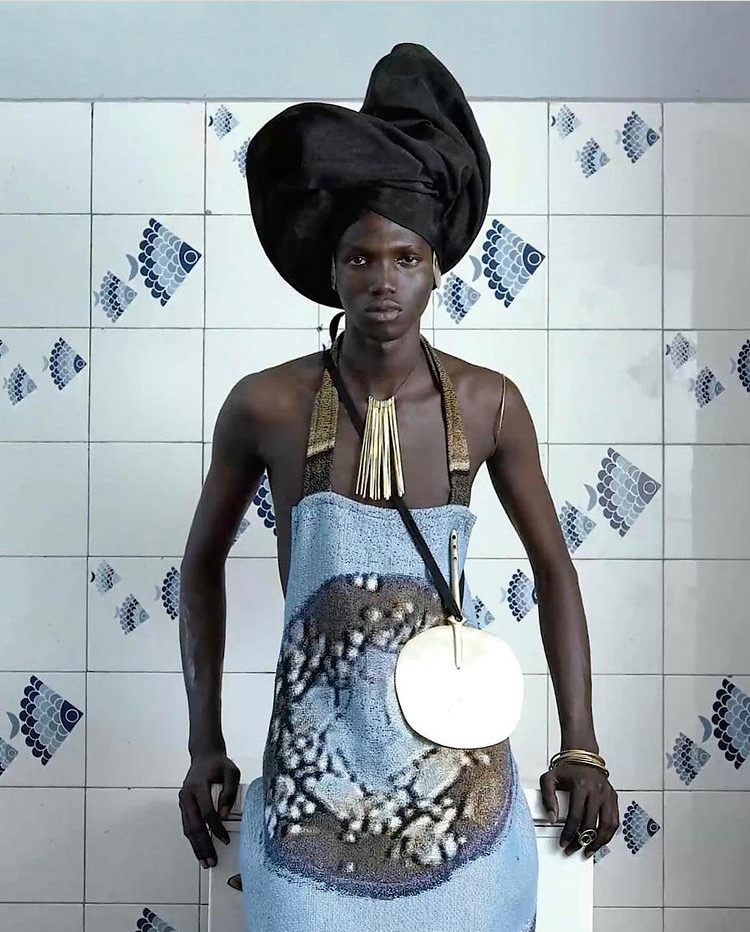
| Between 2019 and 2023 Red Gold Import Export collaborated with the Lagos based fashion lable Lagos Space Programme for 3 collections. |
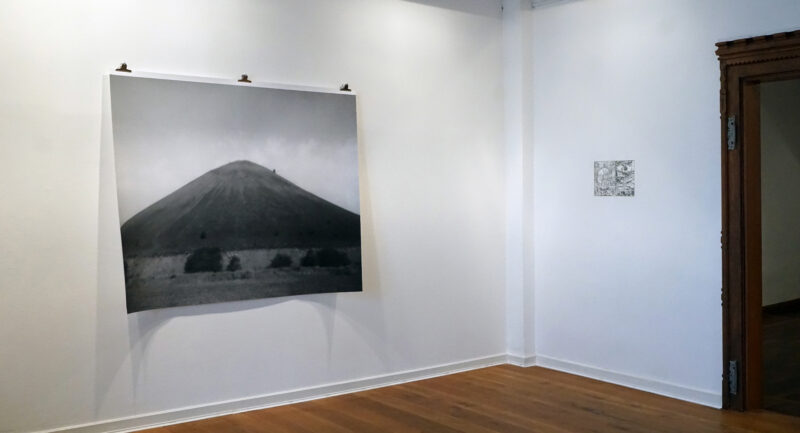
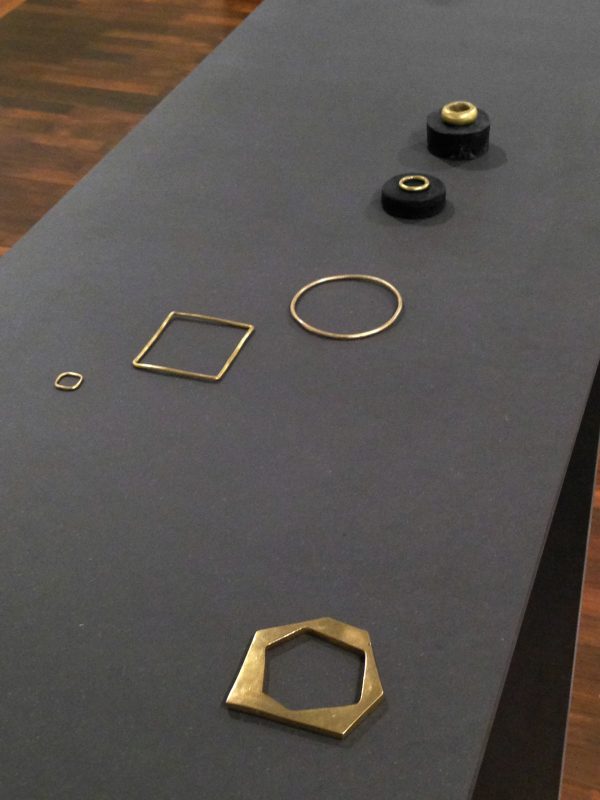
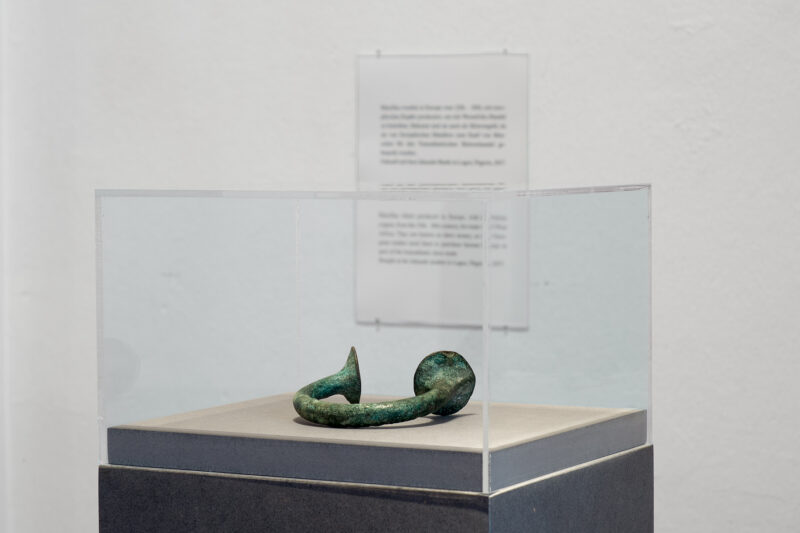
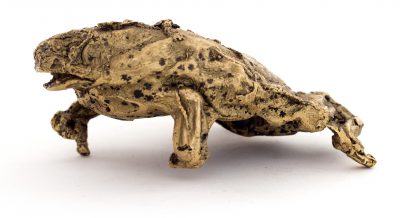
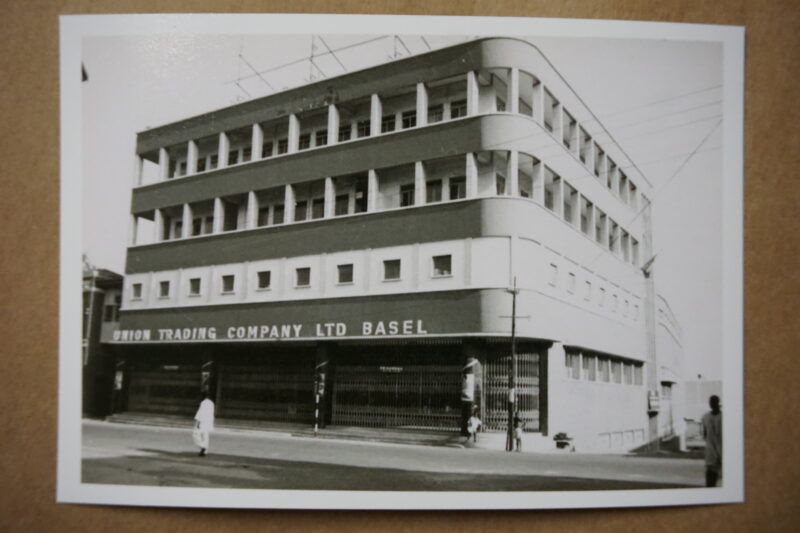
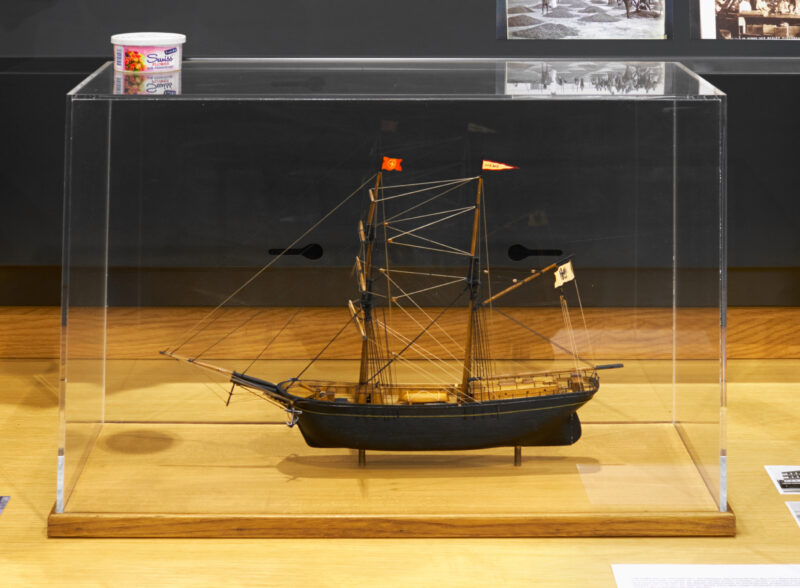
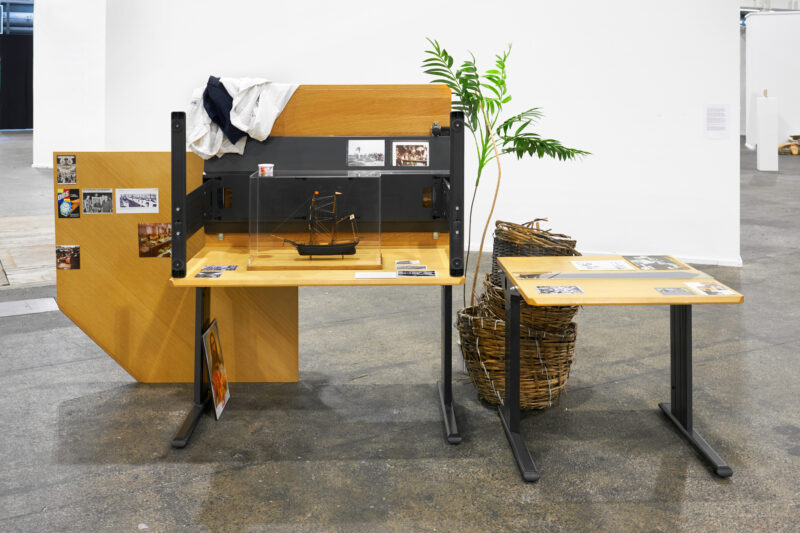

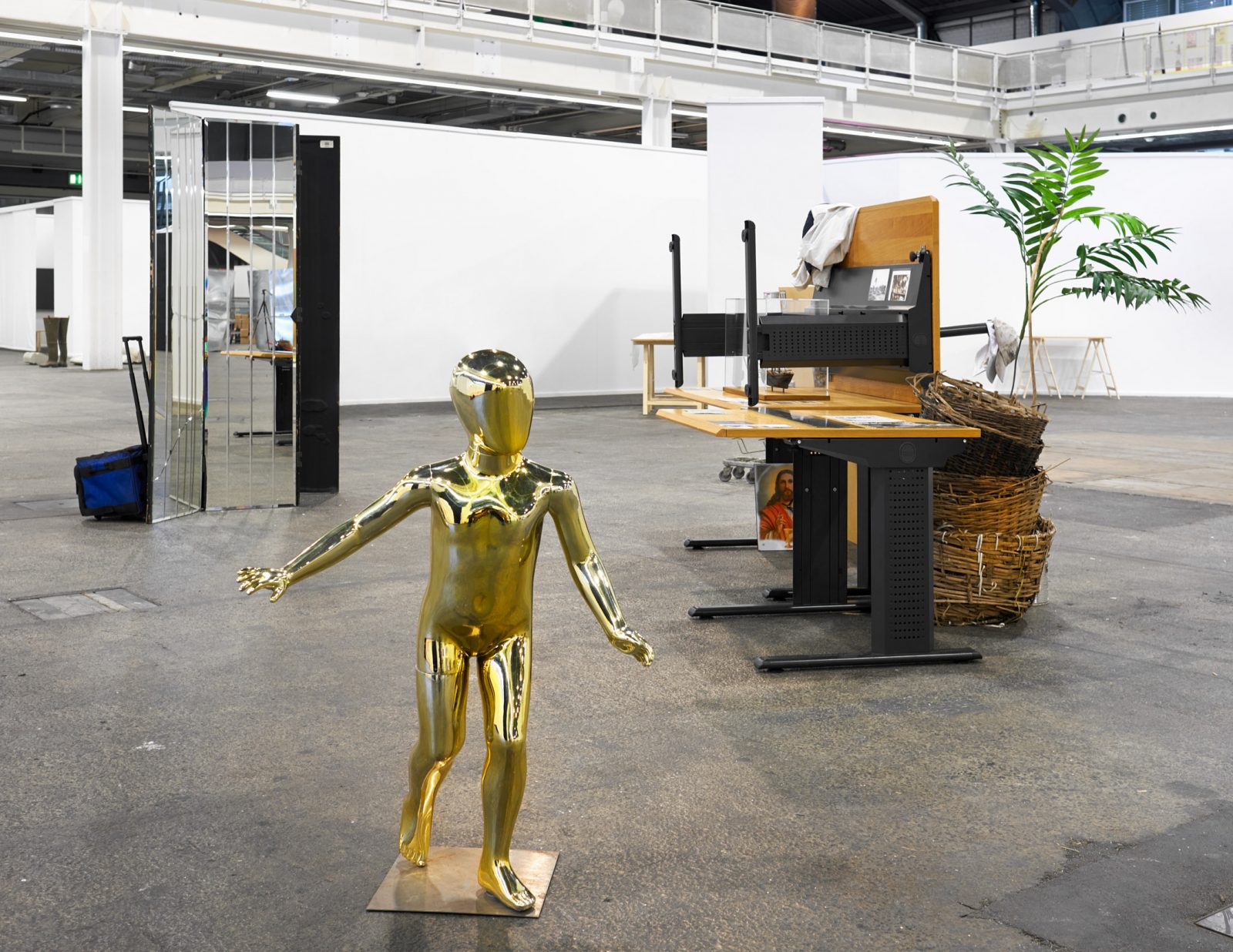
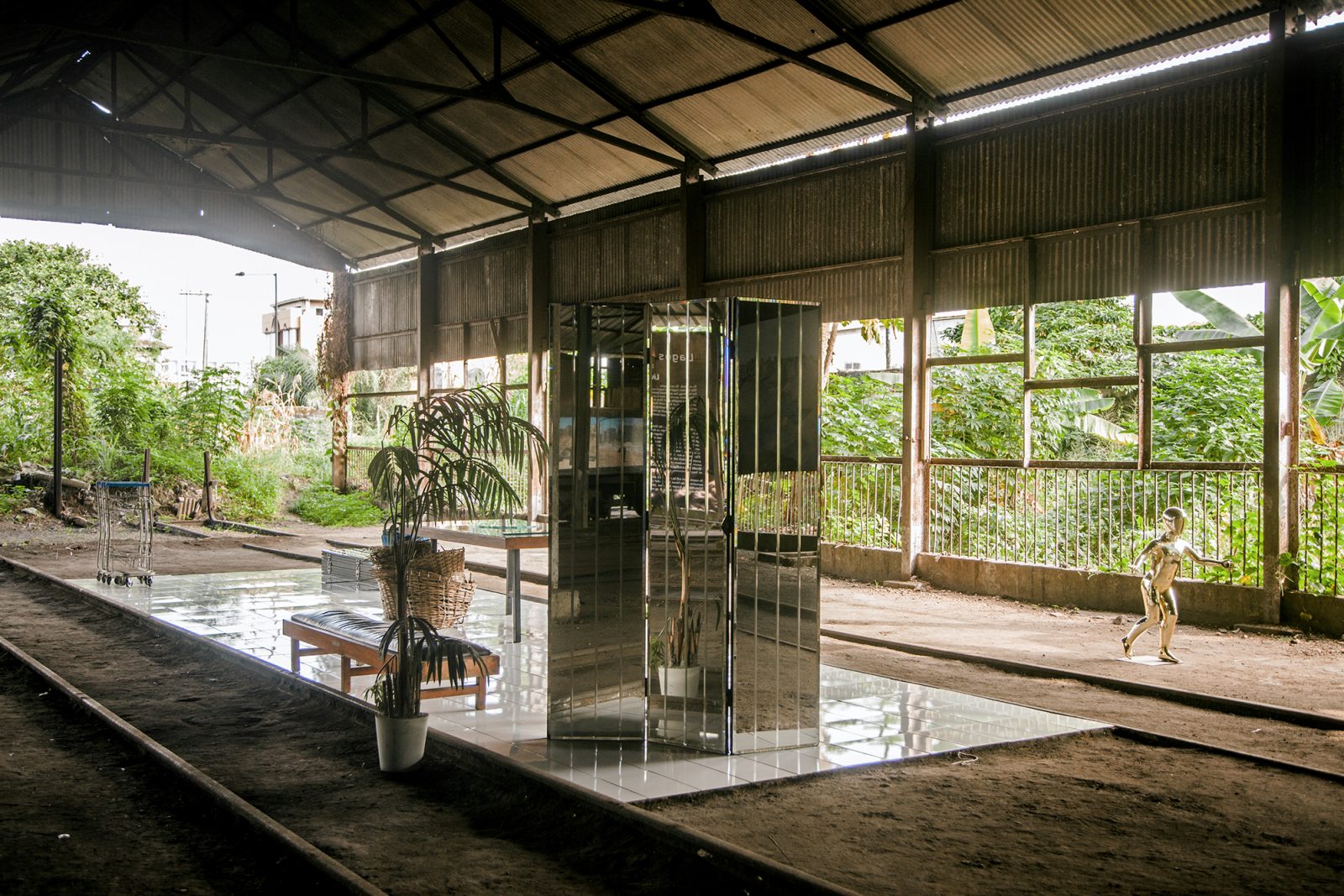
| A PERSONAL AFFAIR. DIGGING TO REMEMBER FORWARD. Both installations examine the history of trade between Switzerland and Nigeria through the story of the Union Trading Company (UTC). The first installation was presented at the Railway Compound as part of the first Lagos Biennale in 2017, and the second at the Swiss Art Awards in 2018 at Messe Basel. UTC traces its origins to the Basel Mission, which was founded in 1815 as the Basler Handelsgesellschaft and renamed Union Trading Company in 1921. In Nigeria, UTC had been active since 1932, and in 1957 the company opened one of the most luxurious department stores in West Africa. Over the years, the company operated across many sectors: from establishing the first mission shops and exporting cocoa, palm oil, and cotton, to importing Swiss products such as printed textiles, Bata shoes, Hermes typewriters, pharmaceutical goods, Oris watches, as well as providing services in the oil sector. At the Biennale, Herzog explored the entangled trade relationship between Lagos and Basel. The installation consists of UTC furniture found in Lagos, music by Bobby Benson—one of the pioneers of Highlife—which UTC recorded in 1954, as well as a table displaying archival images and objects. Part Two of the installation recounts the history of UTC from a Basel perspective. It engages with an image showing a shop window of the UTC department store in Accra in the 1950s, featuring a poster for the Swiss Sample Fair (Schweizer Mustermesse) of 1956 in Basel, which took place in the same hall as the Swiss Art Awards where the installation was exhibited. The desks and the ship model Palme were loaned from the existing offices of the Basler Handelsgesellschaft, alongside additional archival material that is also presented. |
| LAGOS BIENNALE |

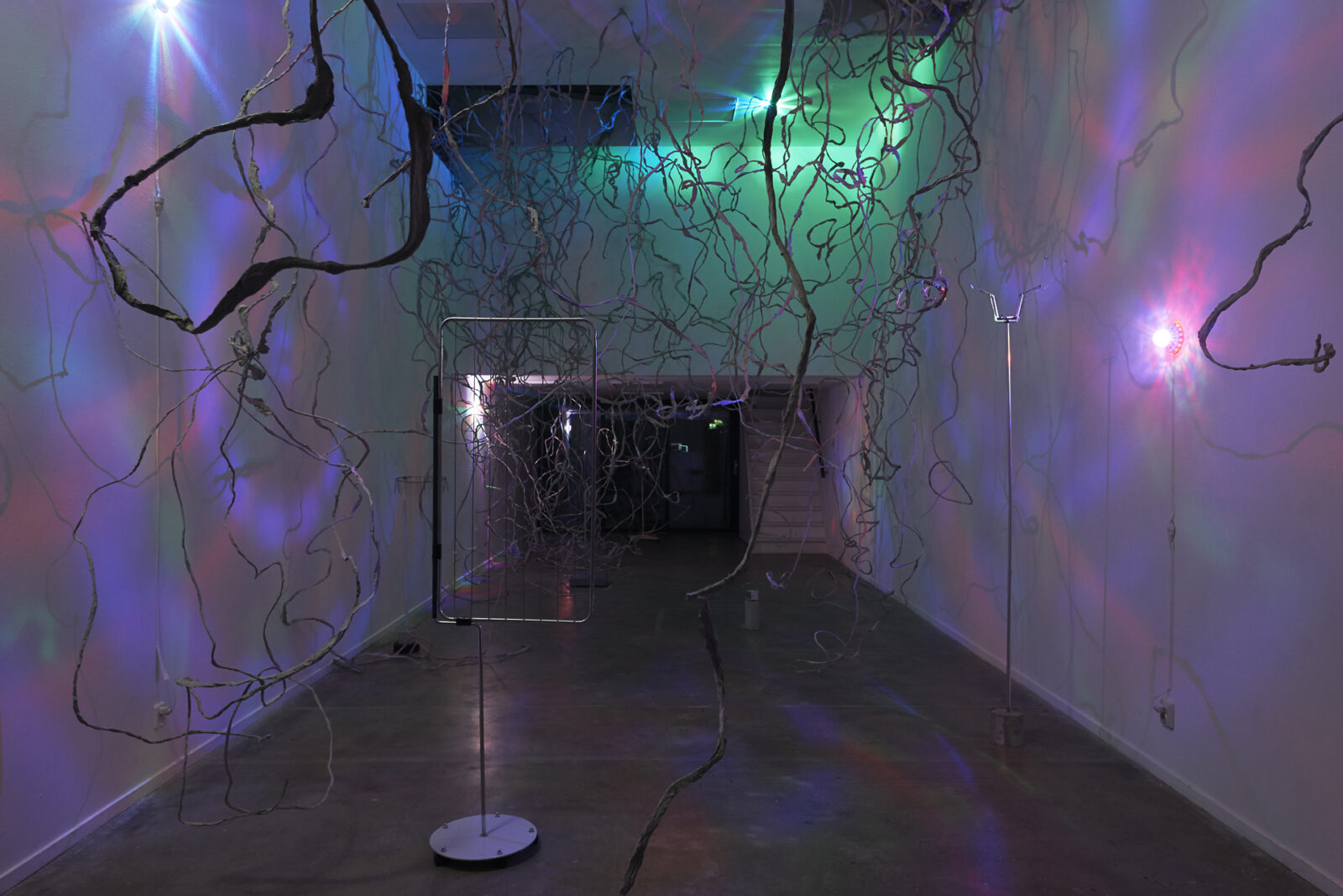
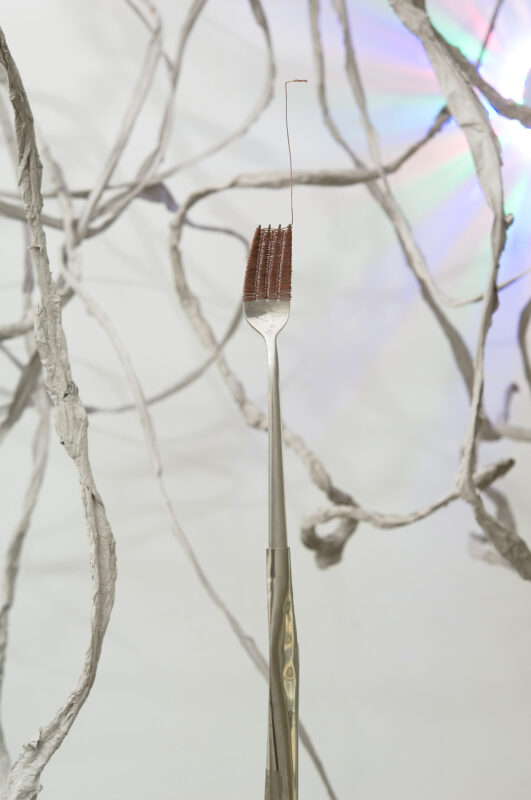
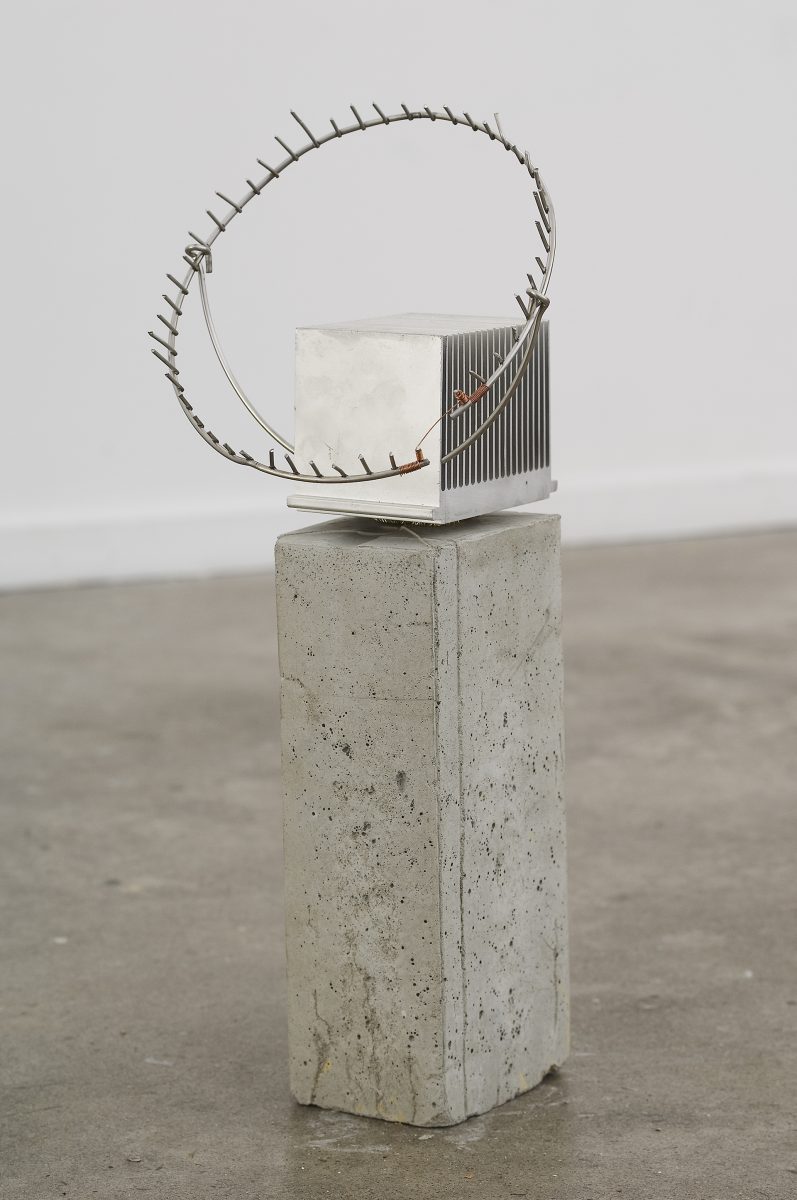
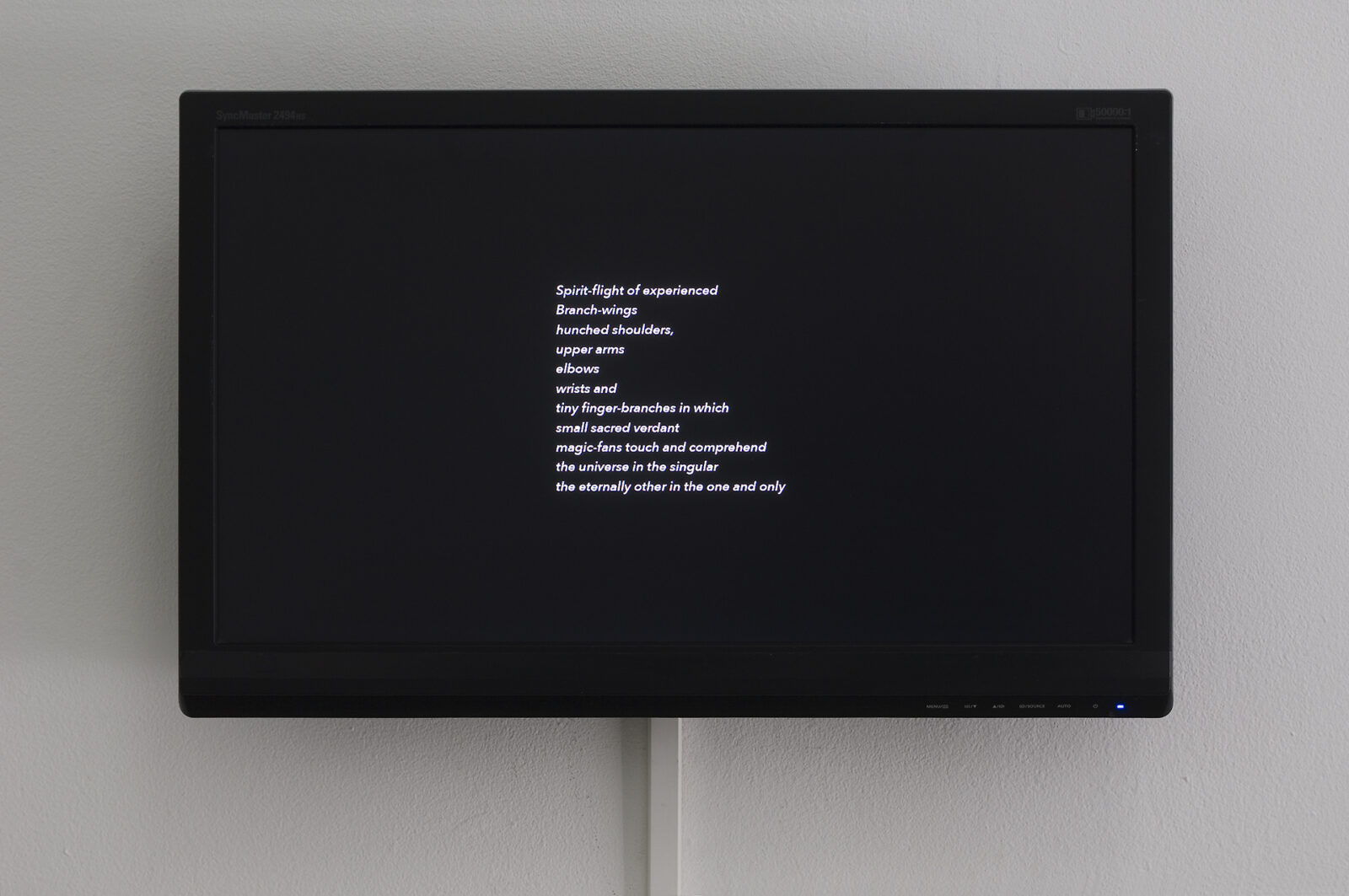
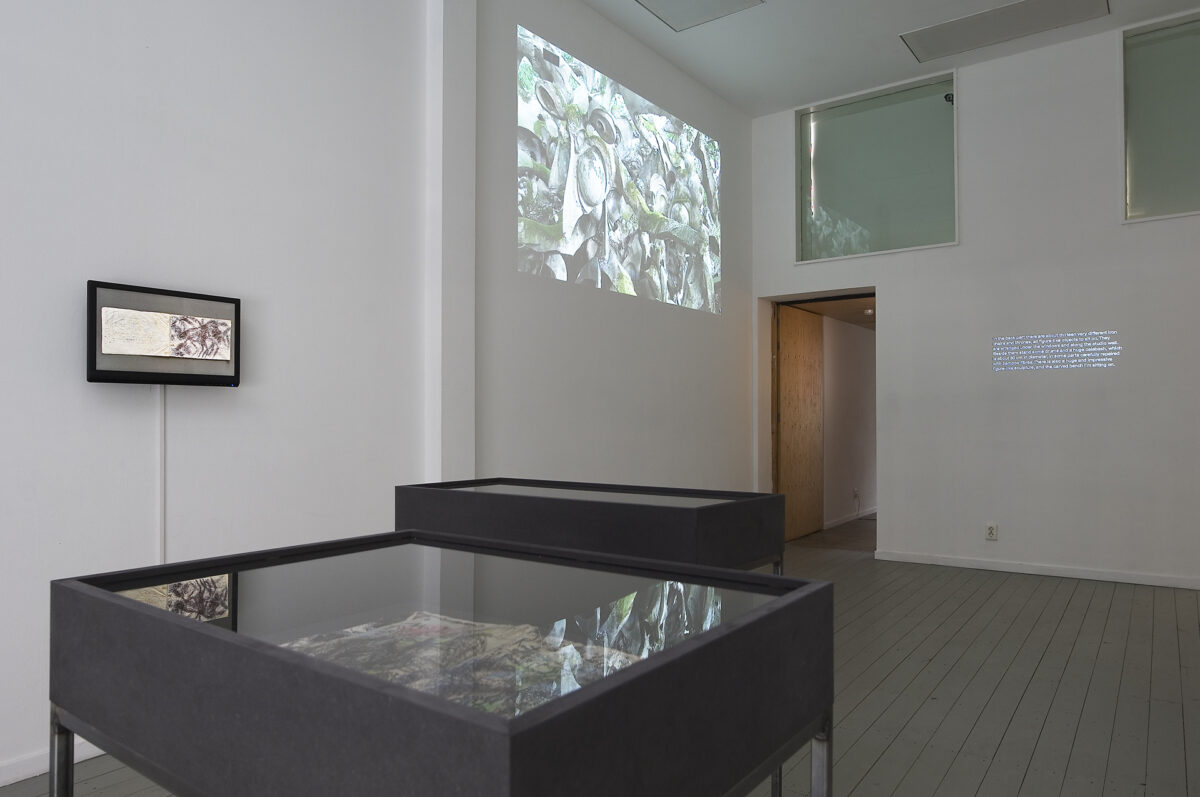
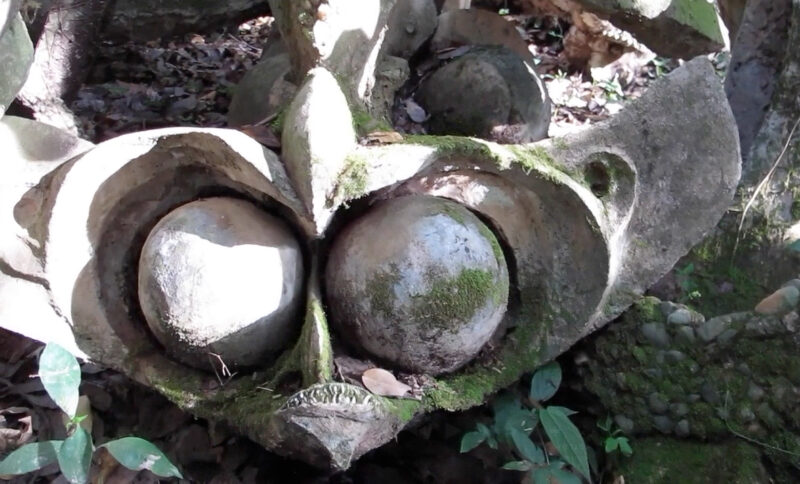
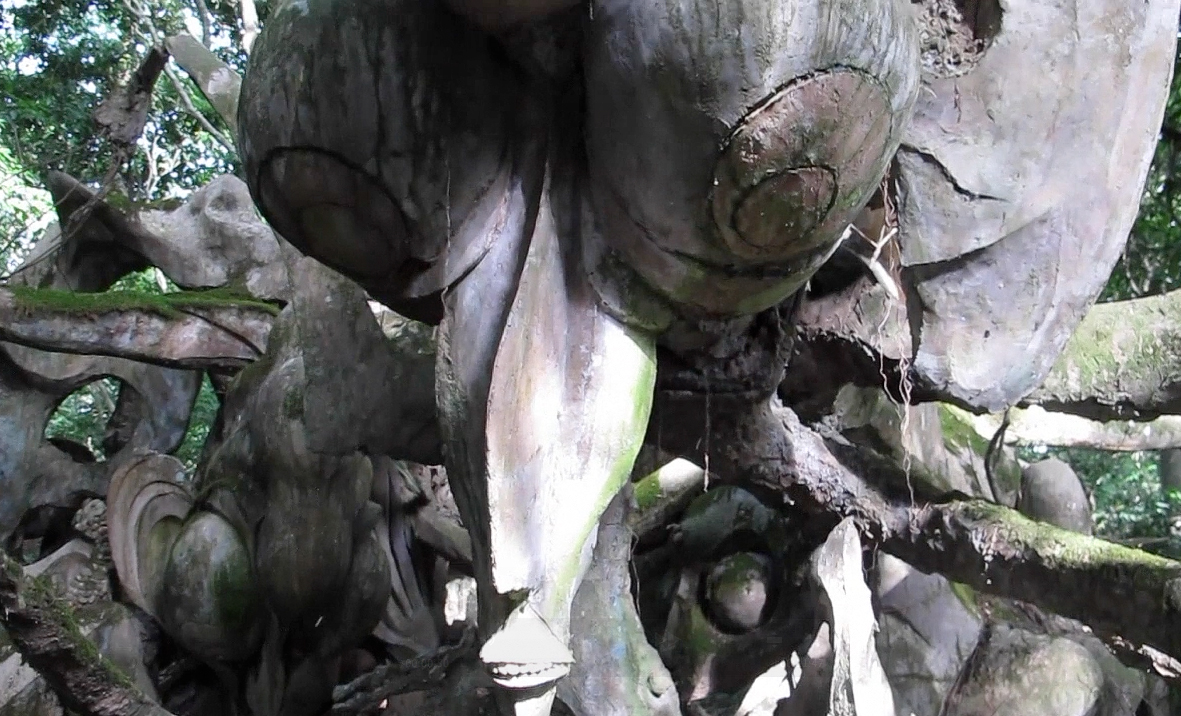
| In this exhibition Dunja Herzog explored the notion of living in a world that we do not fully understand, where things are lost in translation and we experience our own vulnerability. Herzog likes to create environments made of everyday junk. Sometimes they are the home landscape of some indefinable entities whose nature and function remain unclear. Climbing and trailing vines and the flickering of disco LED lights create a sensorial energising vibe at 1646. This world breathes the atmosphere of the bustling jungle combined with the rubbish of the urban environment, familiar and strange, like a parallel world with a logic of its own. The invitation to participate in Attempts to Read the World (Differently) offered an opportunity for Dunja Herzog to connect to the work of the Austrian born artist and Yoruba priestess Susanne Wenger (1915-2009). Wenger devoted most of her life to the preservation, revival, and promotion of the cultural heritage of the Yoruba culture in Nigeria. She worked together with other artists on the restoration of Yoruba shrines in the forest groves where the shrines, nature and her own sculptures all became part of this sacred environment. The fusion of art and religion is at the core ofWenger’s art and she saw it as her purpose to protect the sacredness of nature. Still using a modernist mode of art construction for her reinventions in Yoruba tradition, Wenger merged her holistic worldview into her ‘archisculpture’, which she no longer regarded as autonomous sculpture but as a translation of the messages of the Yoruba deities. For Dunja Herzog, Wenger functions as a mediator offering a different perspective through which to read global developments and the history of art. Wenger offers Herzog a way out of thinking in binary oppositions of self and other, opting for the contagious travel of ideas and thoughts, and accepting that what is lost and gained in translation. |
| UNLEASHED GHOSTS |

| IT'S BETTER TO STAY ANGRY |
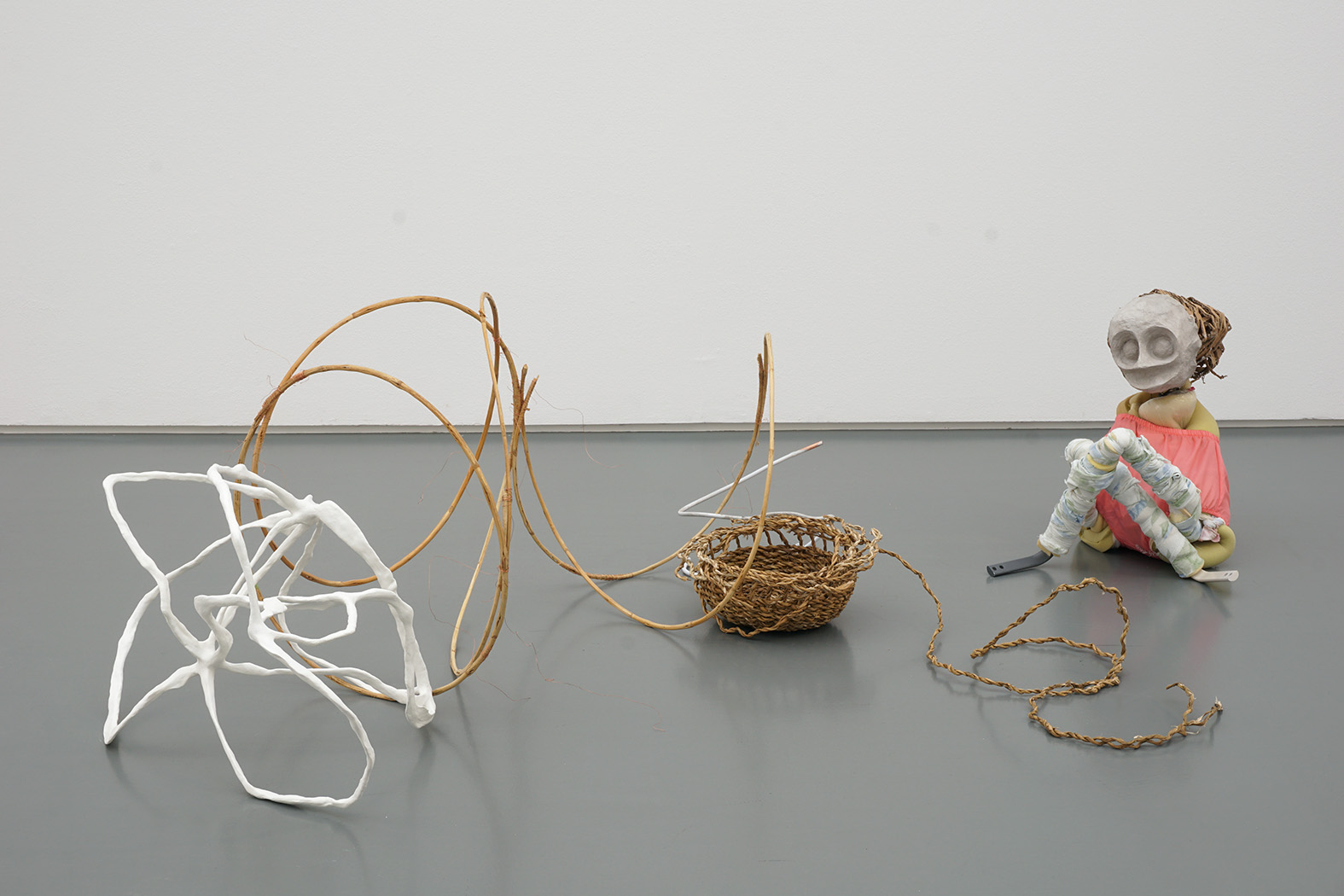
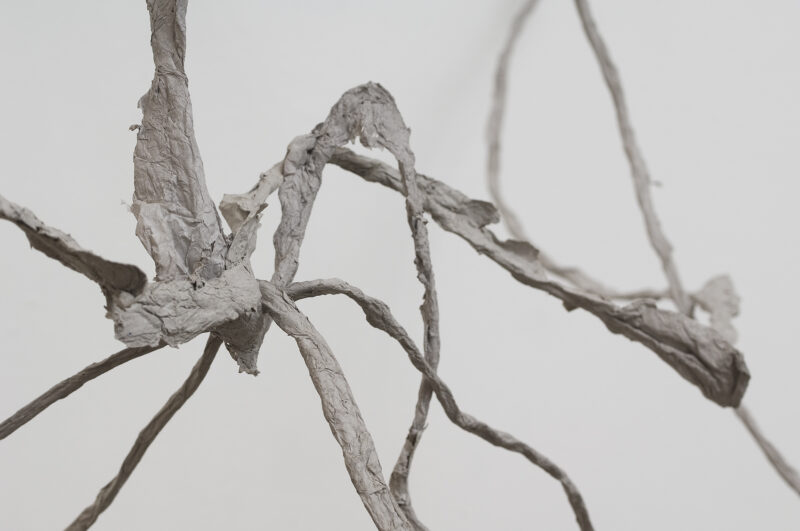
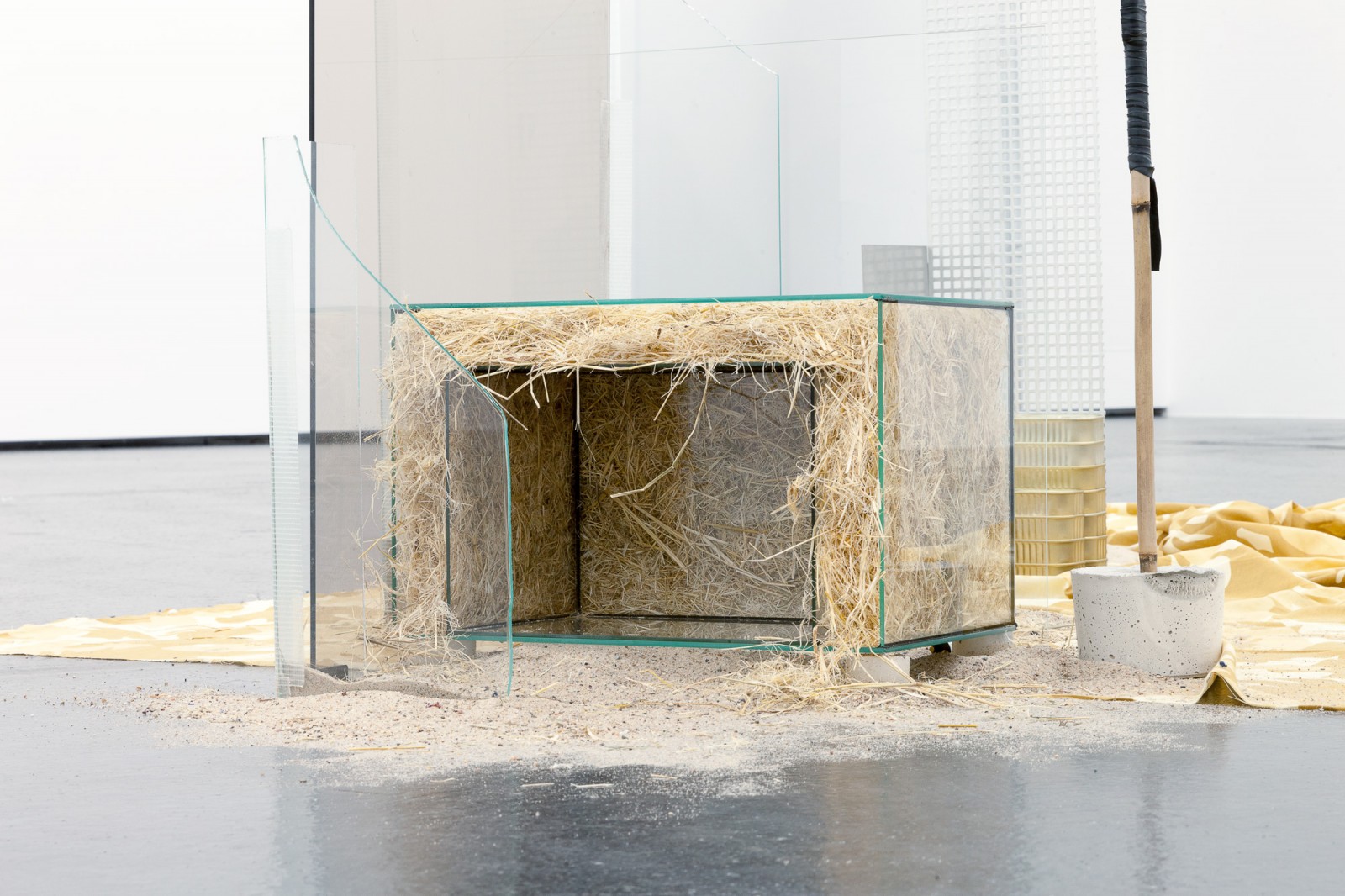
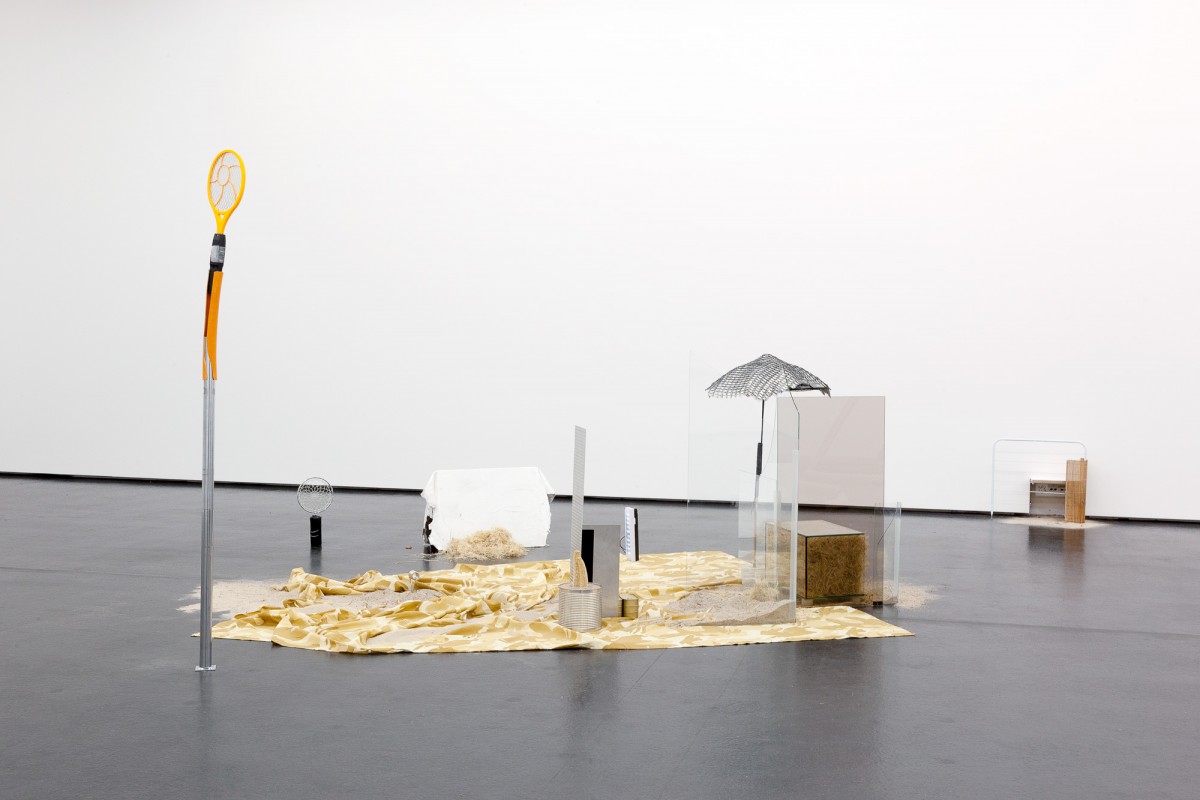
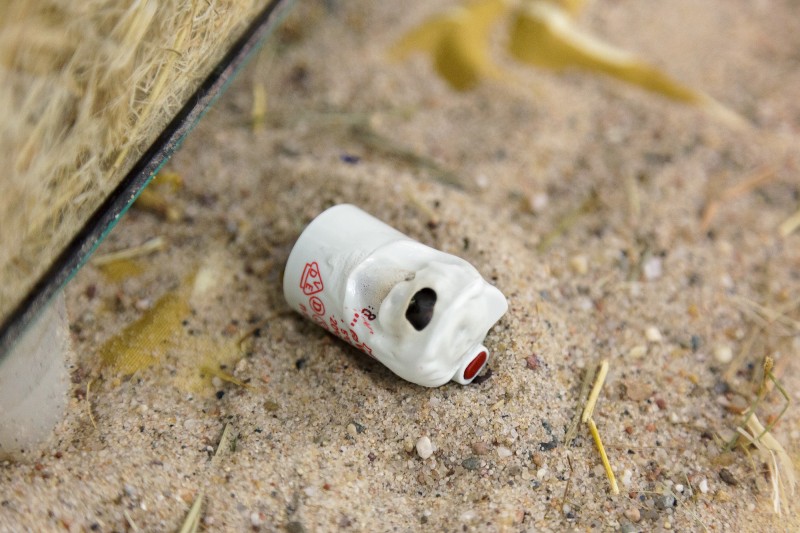
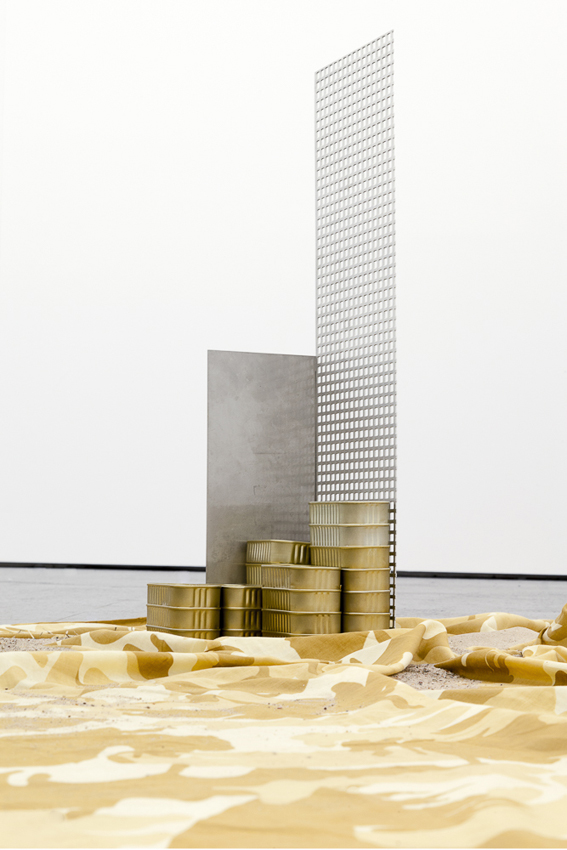
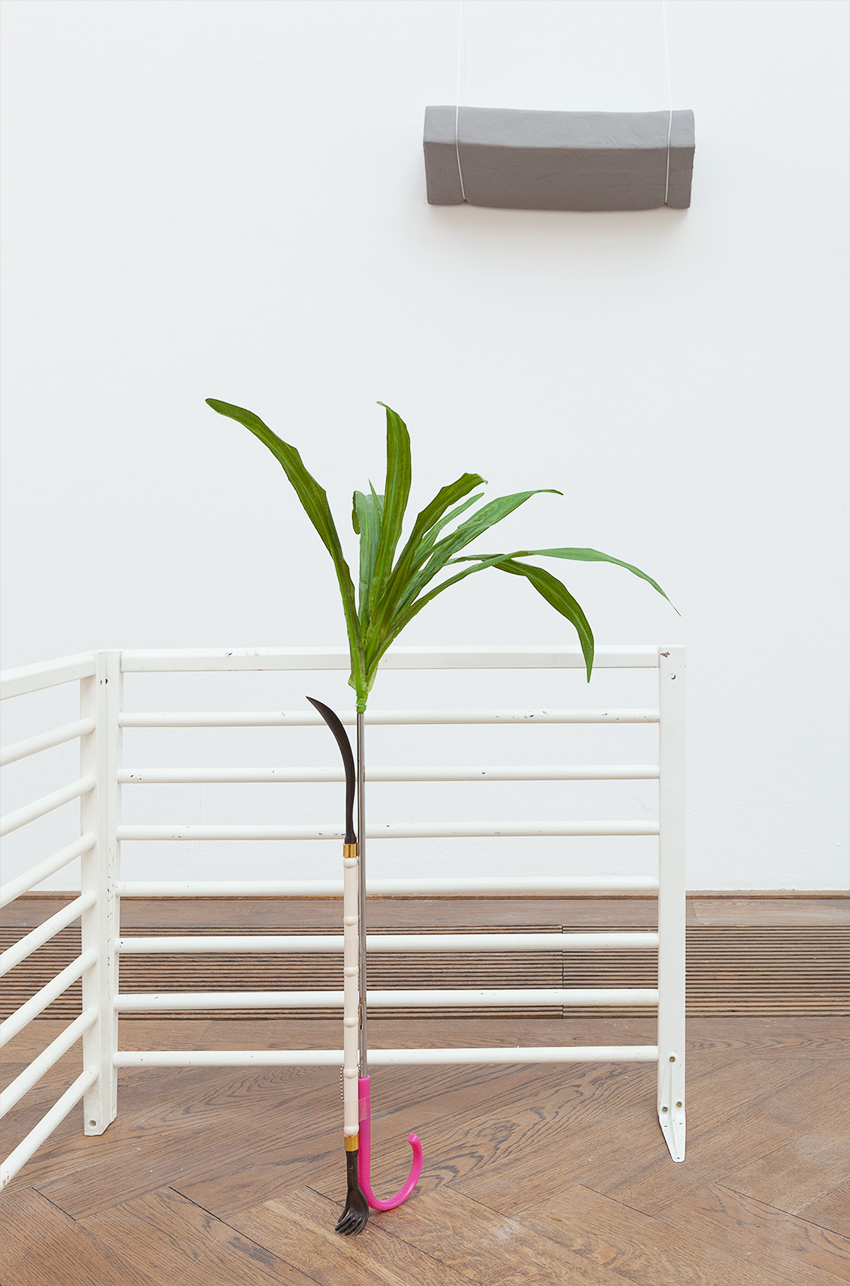
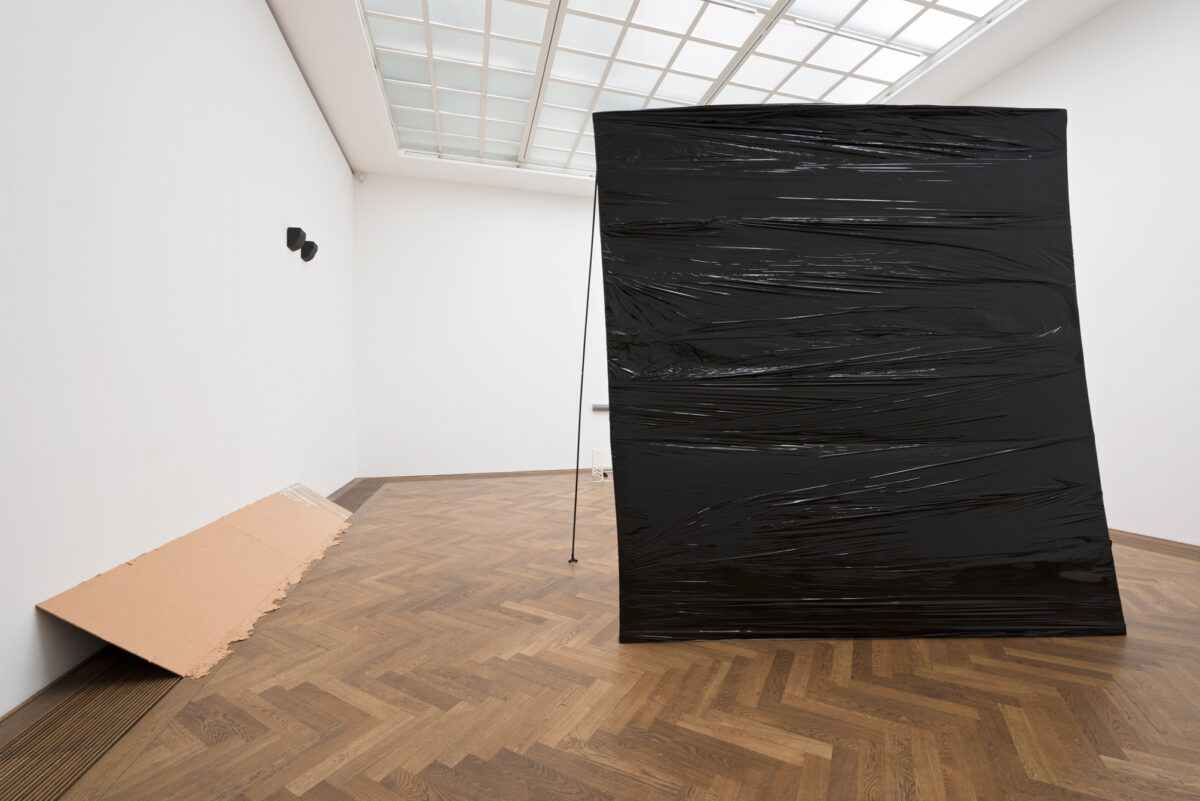
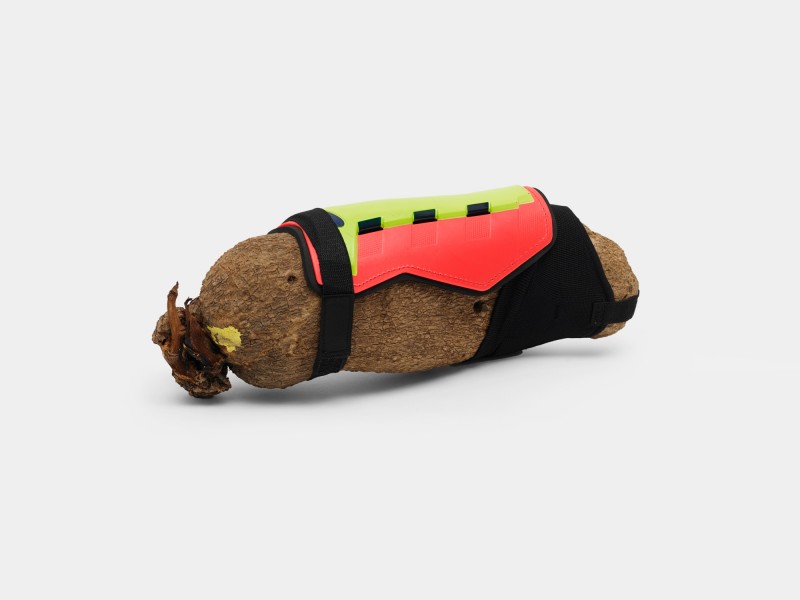
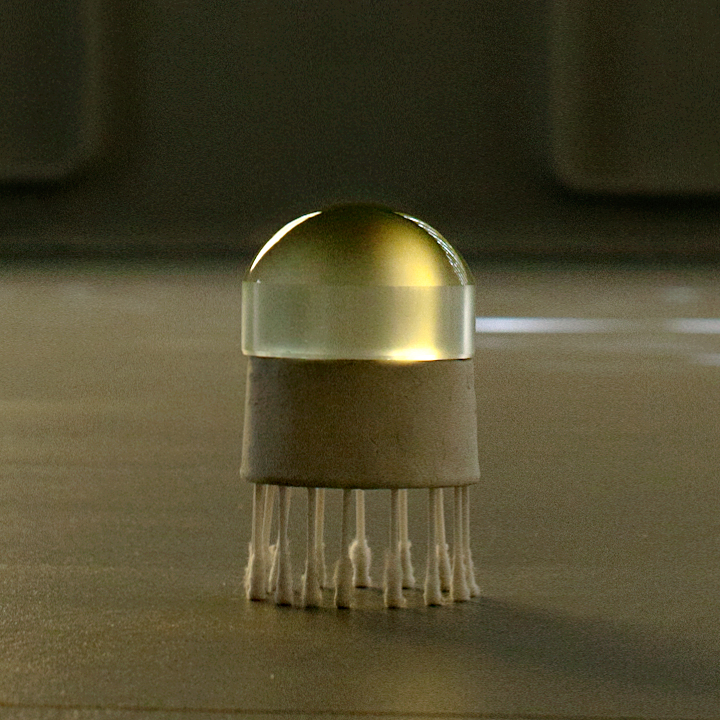
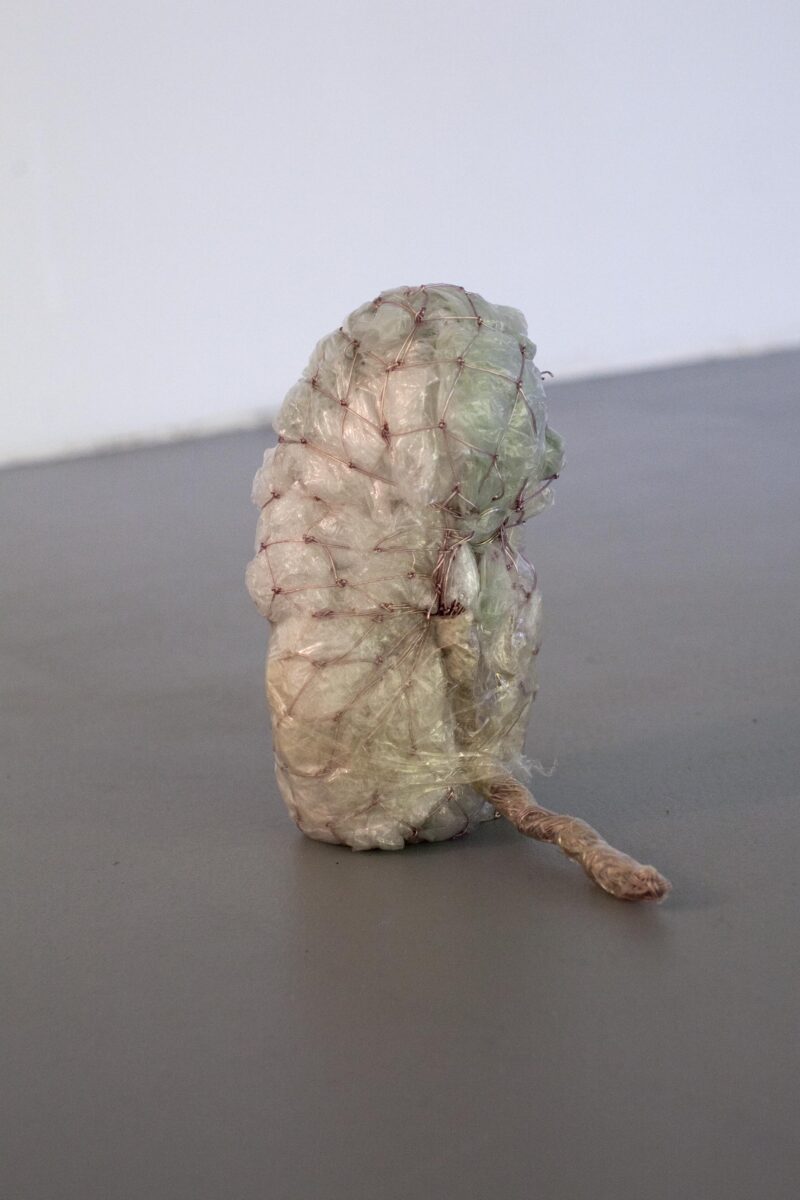
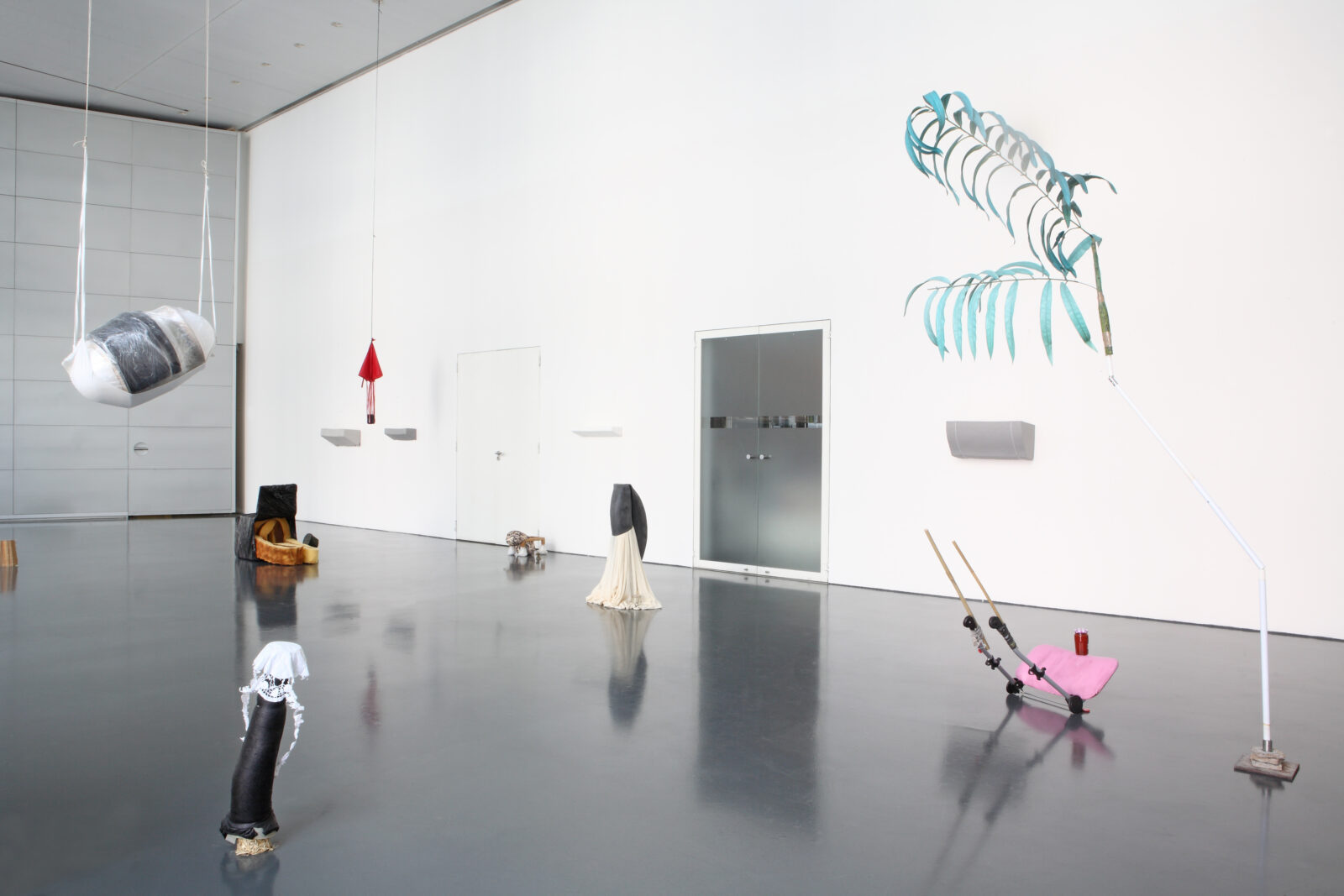
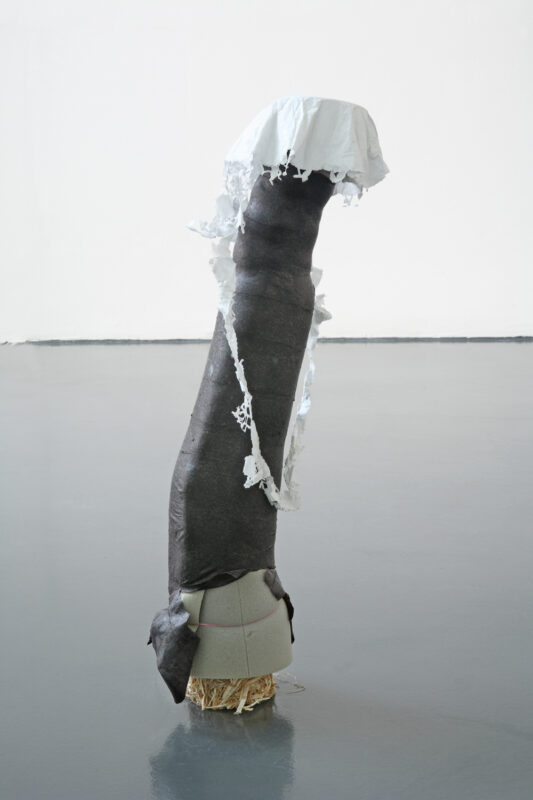
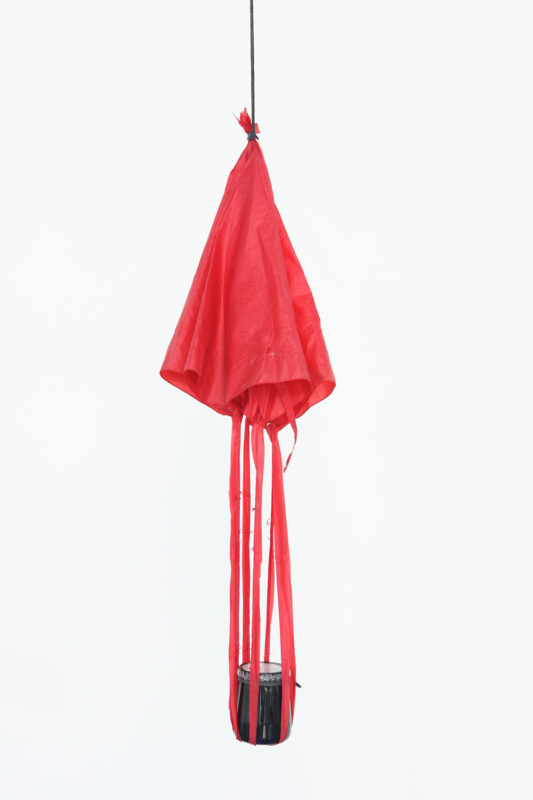
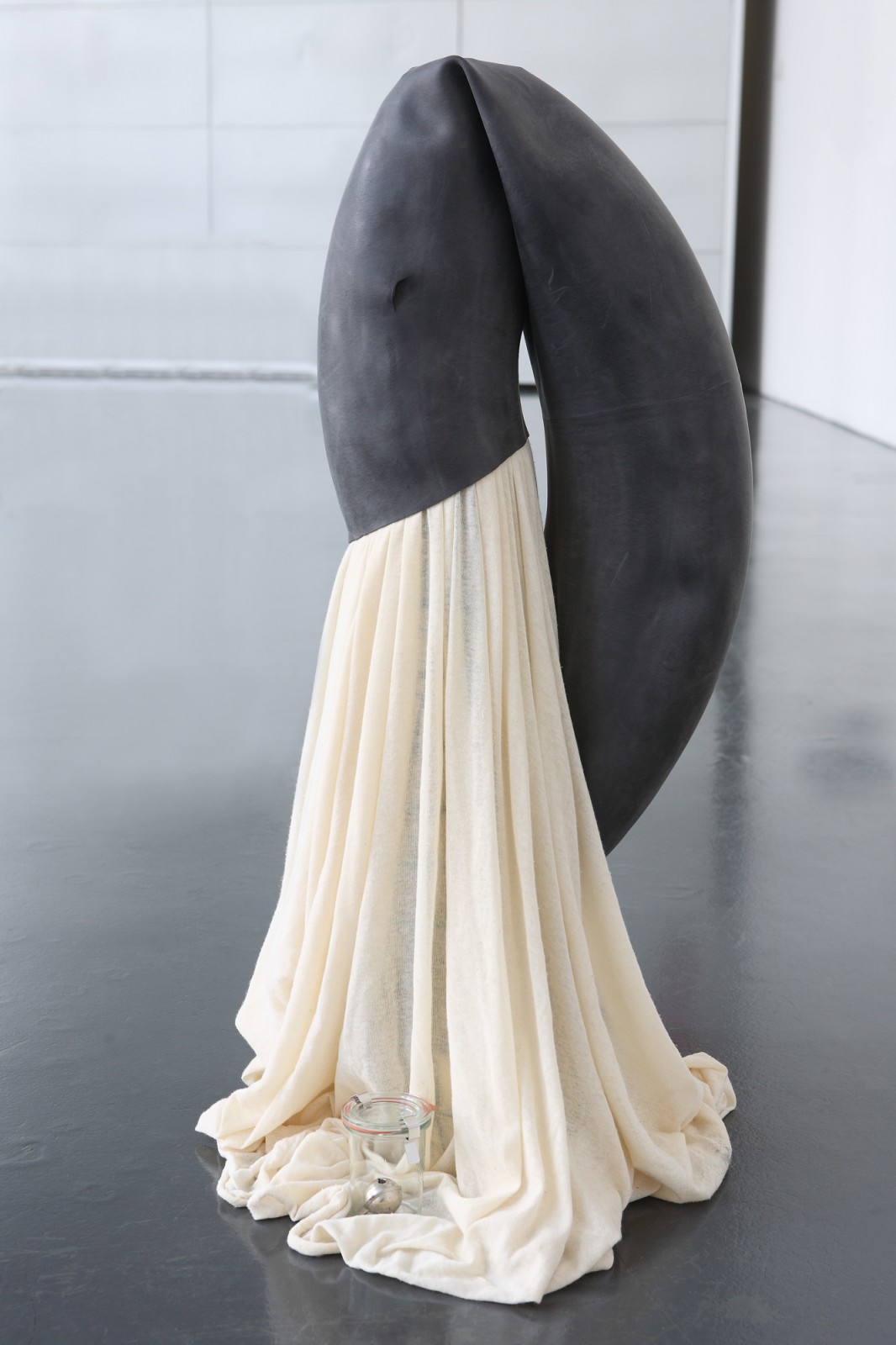
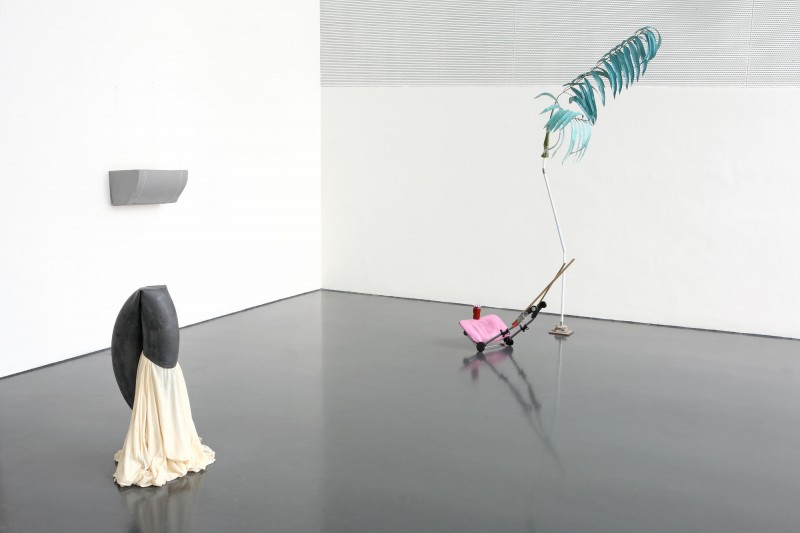
| The recognizable every day objects are bringing the reality of things into the exhibition space. They are carrying little stories of their, from human defined, functions and give the impression to be animated or placeholders of our world. In their fragility there is an insecurity that seems not only to be physical but also emotional. The balance, in wich they are held, threatens to get lost anytime. |
| It belongs to us a little less than we belong to it |
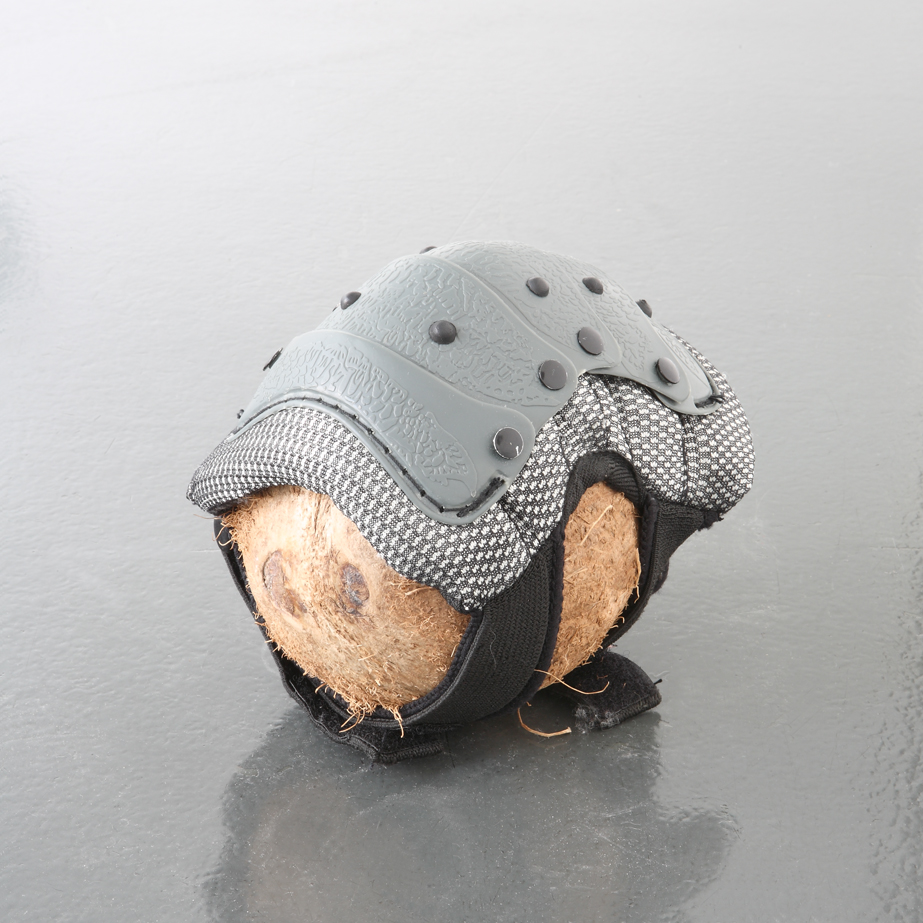
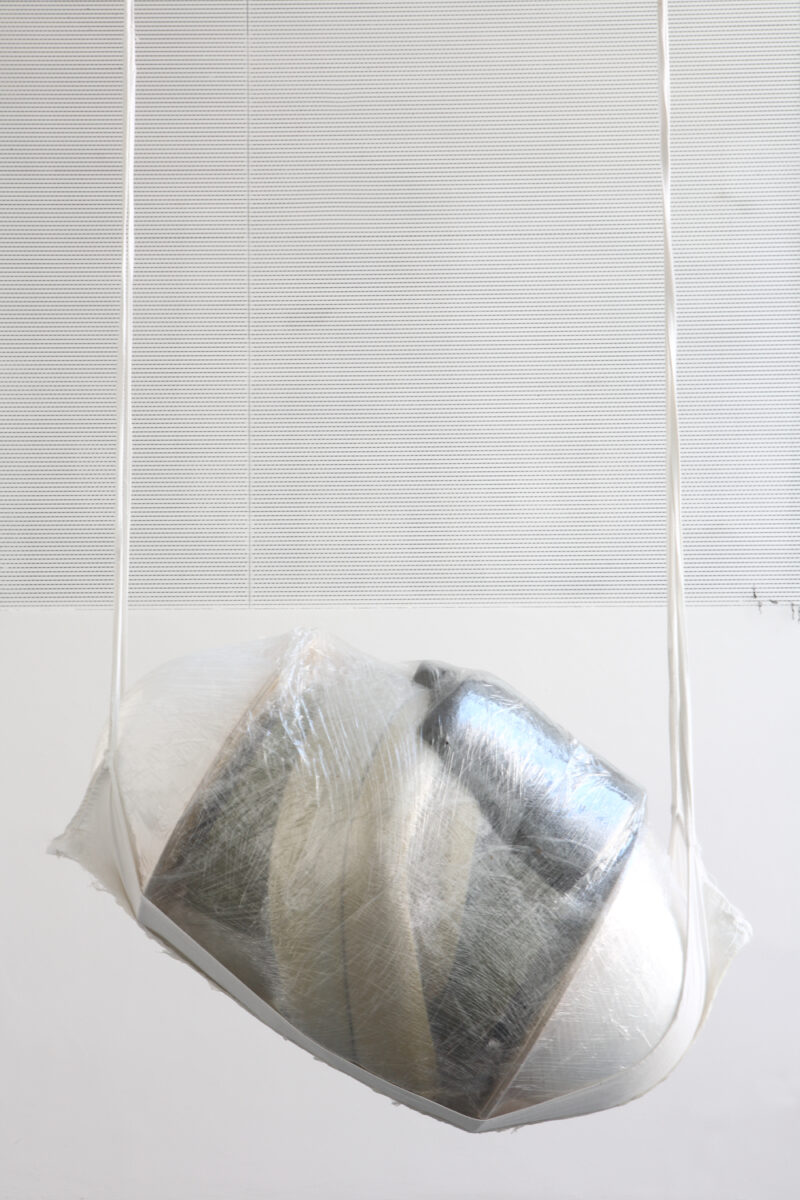
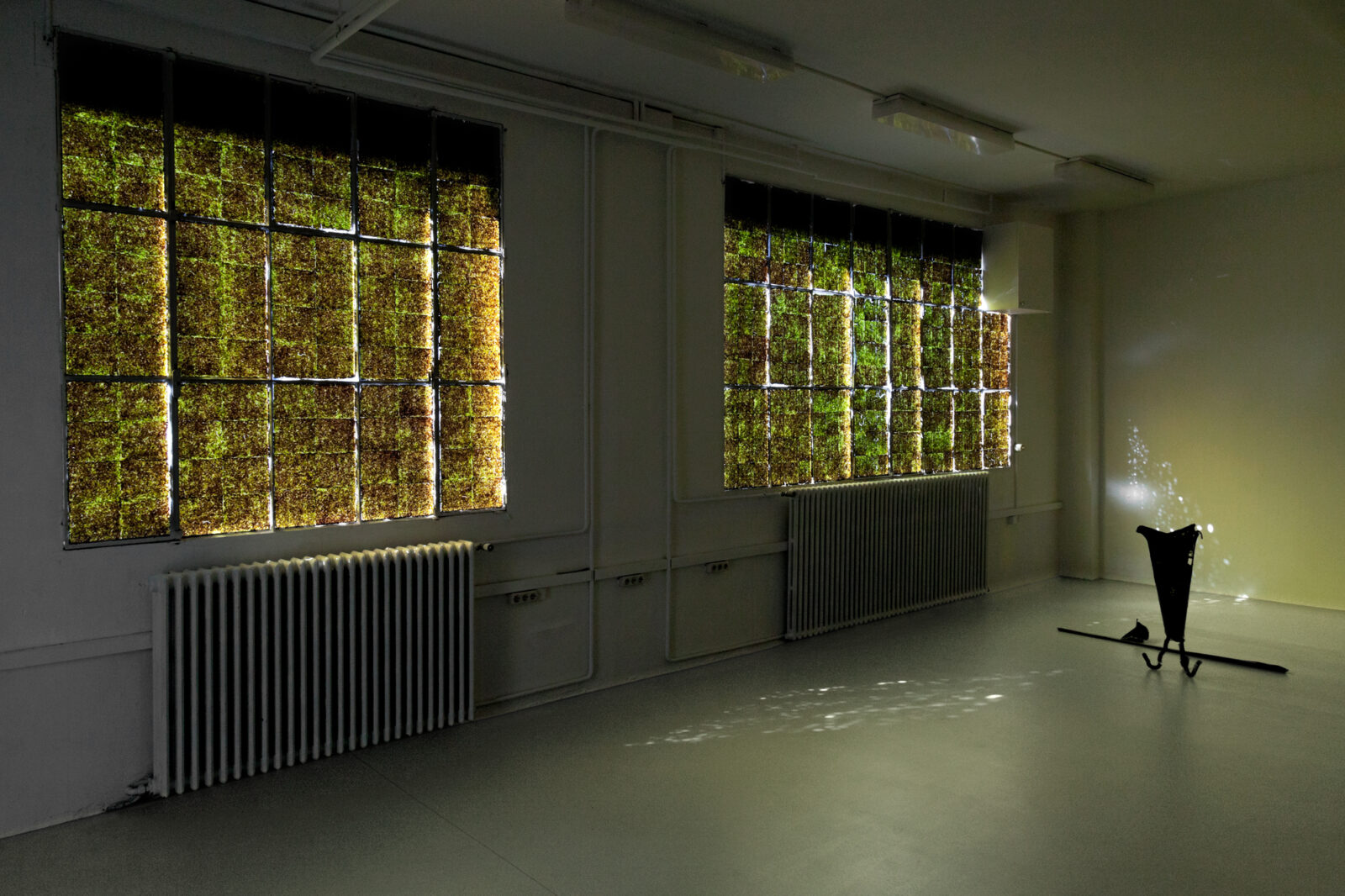
| The Industrial age and modern life concentrated in cities have brought a surplus production of objects in their wake. We are surrounded and swamped with objects, tools, prostheses, more than in any other time in history. Functional objects, everyday objects, disposable things. What is the value of all this for contemporary occidental society? What are the true functions of these things? What needs do they satisfy? How do they influence our everyday life? After a research that has led her to cross various cultures from the African Continent for many years, Dunja Herzog plunges back into the occidental world, assuming the viewpoint of things. She reassembles materials, mostly found by the wayside and in domestic places, and like a modern teller of fables she grants them a new existence. This exhibition is a world of creatures that we could define as hybrids – for lack of a more precise word – apparently fragile, without definite purpose, maybe useless, with no fixed abode and made of the refuse of our everyday existence. If anyone is willing to pay attention, they can come to life, and also speak. Usually, as in the case of Kafka’s Odradek, the conversation ends in laughter – but it is only the kind of laughter that has no lungs behind it. It sounds rather like the rustling of fallen leaves. Will anyone point out that the emperor has no clothes? |
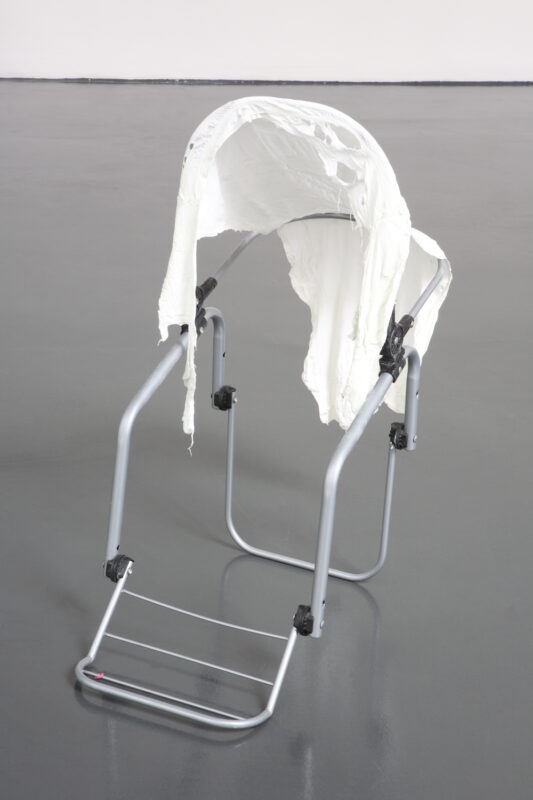
| LAUGHTER IS USUALLY THE END OF THE CONVERSATION |
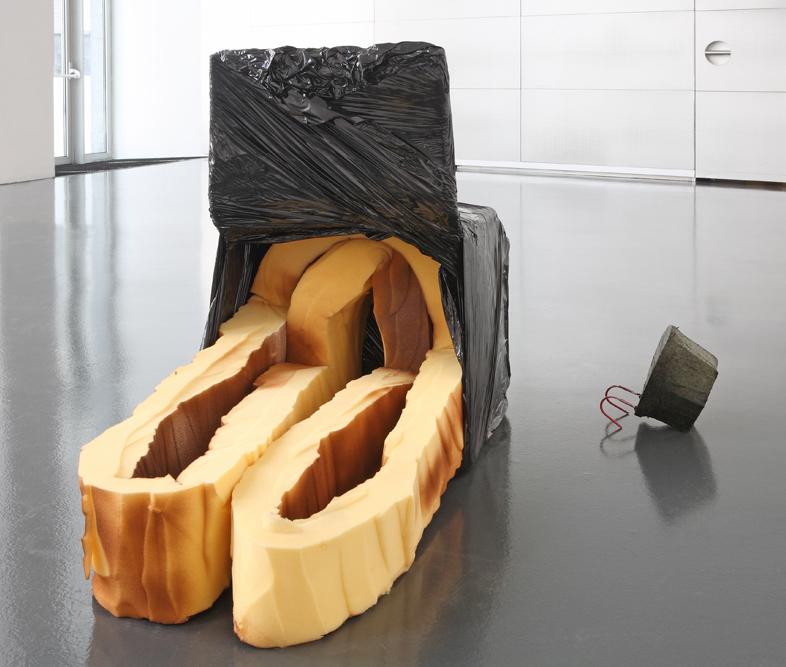
| THE MASTER‘S TOOL WILL NEVER DISMANTLE THE MASTER‘S HOUSE |
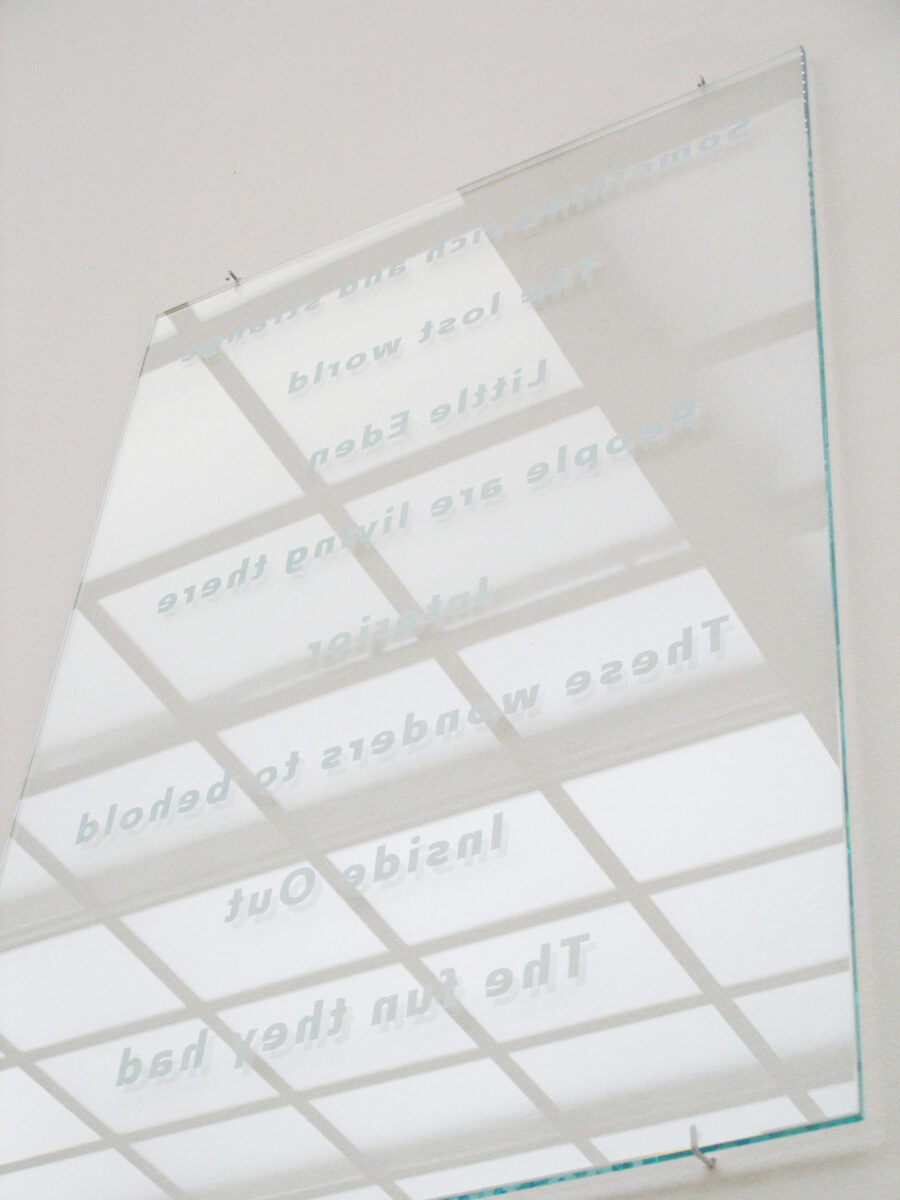
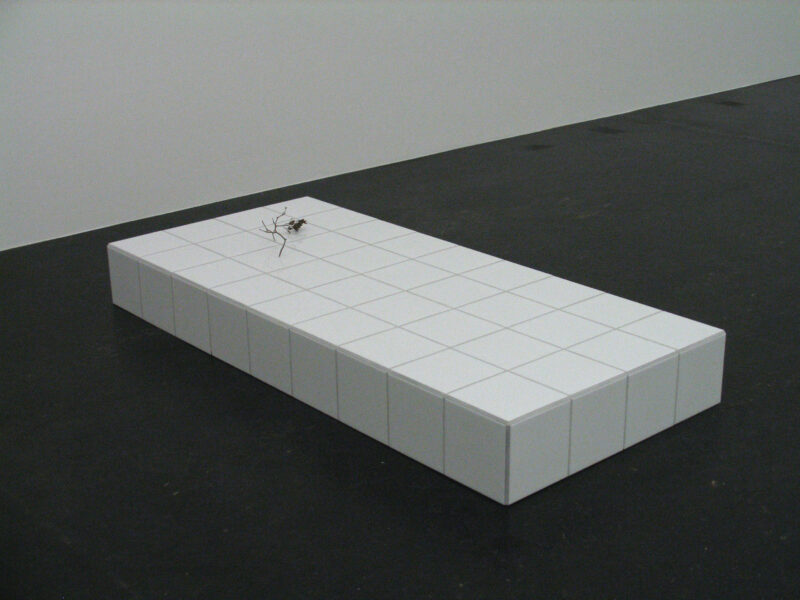
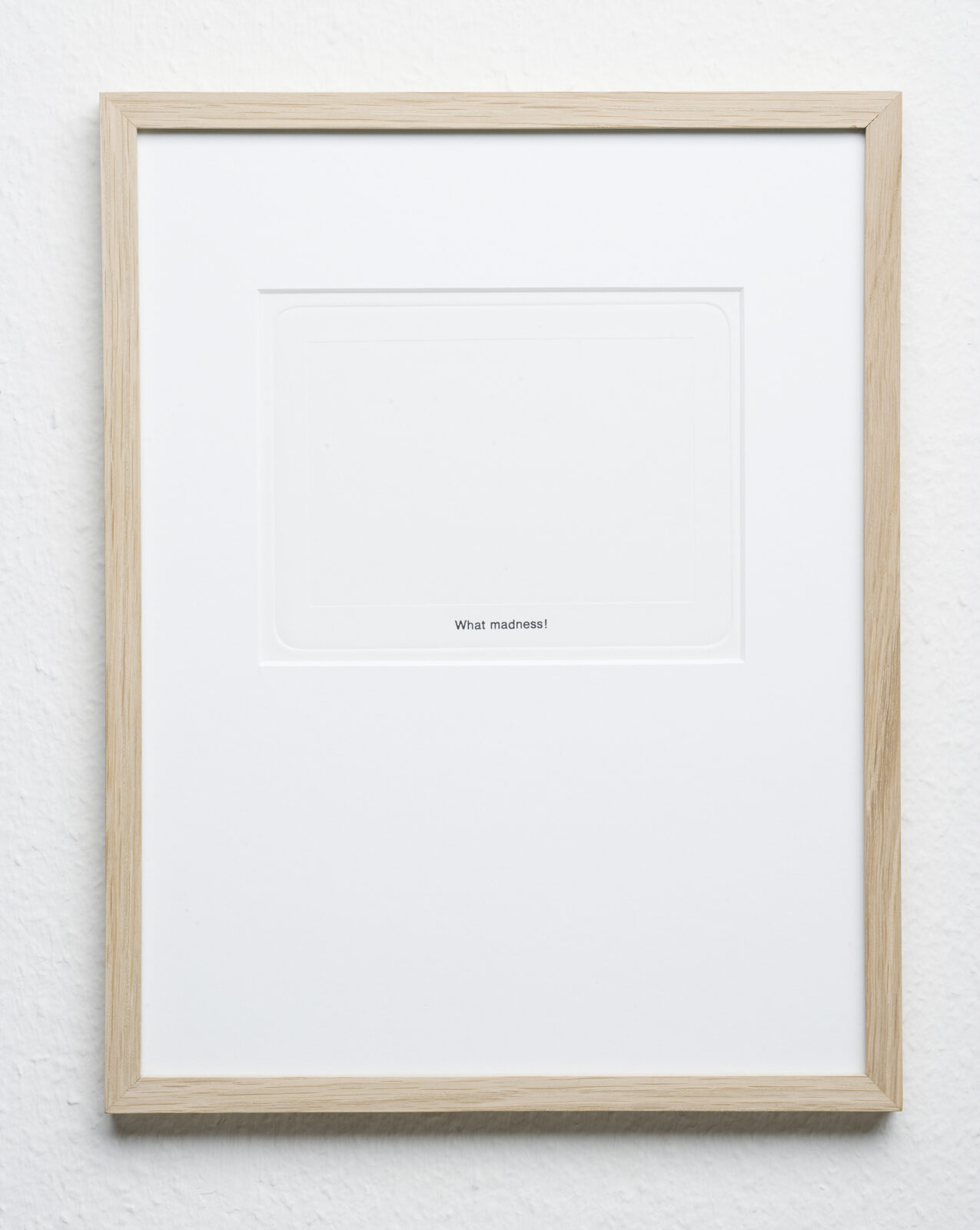
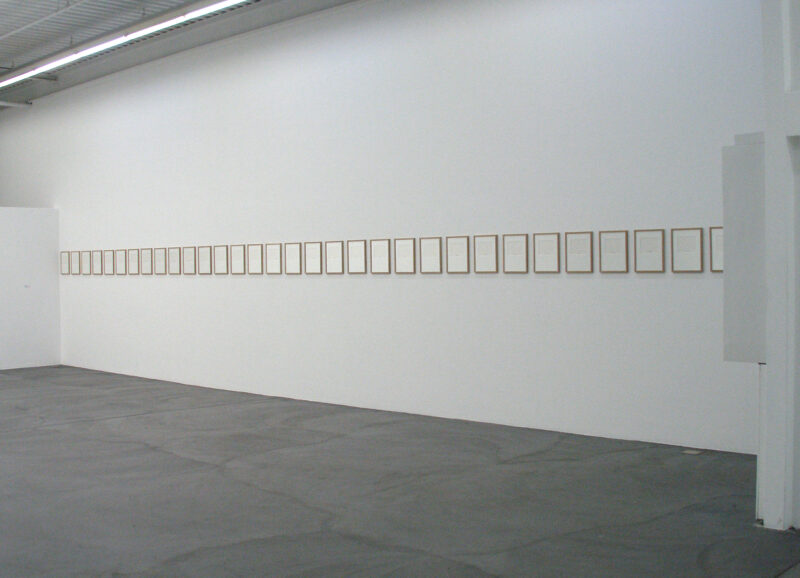
| The work REGARDING PAIN unites a collection of titles from Goyas Los Desastres de la Guerra from 1810–20 with the title of one of the most important theoretical standard works about war photography, Regarding the Pain of Others by Susan Sontag. The 36-part series is explored through two overlapping printed coinages. The empty space symbolizes the smallest size of a photograph (9 × 13 cm) and the other shows the quotations of the titles. Text by Sabine Schaschel |
| That cannot be seen What madness! He deserved it All is in confusion Against the common good Thruth died Charity They do not want to They don’t know the way Barbarians! With reason, or without And it can’t be helped There is no more time Why? No one knows why This is what you were born for This is bad They are still of use Vain laments Of no use to cry The worst is to beg I saw it Cruel misery! The same elsewhere So much and even more Will she rise again? Strange devotion! Of what use is a cup? This is the worst They avail themselves They do not agree The cats pantomime And they are wild beasts The consequences Horrible Monster! Nothing. We shall see |